
OVERLAND PARK, Kan. (KCTV) – The Johnson County Health Department has declared an outbreak of norovirus over after dozens of cases were reported at a metro area elementary school over the past week.
Health officials have confirmed an outbreak at Bentwood Elementary School after 95 cases of norovirus were reported.
Bentwood Elementary School is located near 129th and Quivira Road. in south Overland Park, but it is part of the Olathe school district.
JCDHE principal Charlie Hunt said the total number of cases had risen to 97, including 95 inside the school among students and staff, plus two more among family members outside the school. Hunt said that number is likely an underestimate due to the contagiousness of norovirus.
The Johnson County Department of Health and Environment (JCDHE) also said two cases were confirmed through laboratory testing.
Health officials noted that the cases were considered epidemiologically linked, meaning the people had similar symptoms at the same time and in the same environment.
JCDHE added that it is working with school officials to monitor the disease and help prevent further spread.
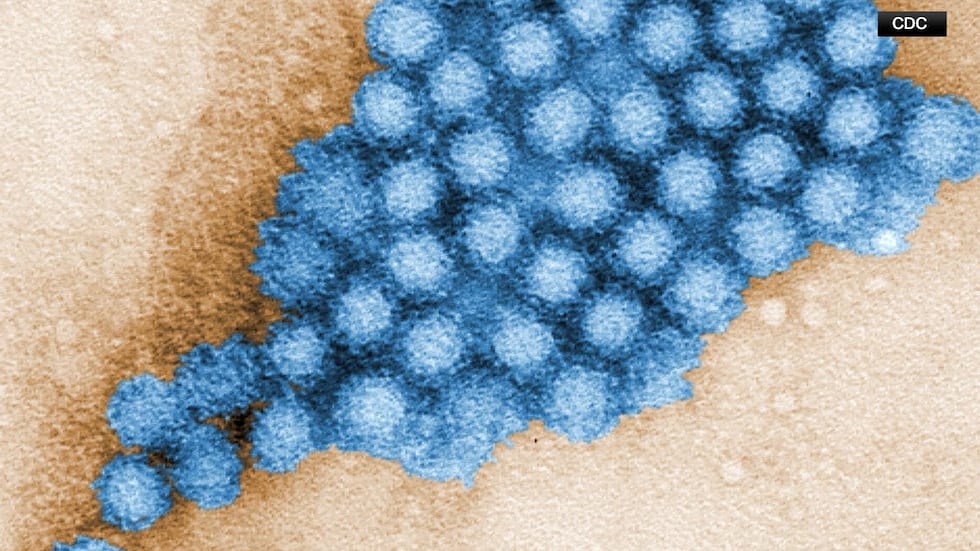
What doctors say about the virus
Dr. Dana Hawkinson, an infectious disease physician and medical director of infection prevention and control at the University of Kansas Health System, said norovirus is a gastrointestinal virus.
“Norovirus is a virus or a gastrointestinal virus, as a lot of people say. So it infects the gastrointestinal tract. And basically the main symptoms are gastrointestinal. So nausea and vomiting. But unfortunately the biggest one that people know about and recognize is uncontrolled or sustained diarrhea for several days,” Hawkinson said.
Hawkinson said outbreaks like this are common because the virus spreads easily.
“It’s very common to see outbreaks or clusters because this virus, when it’s spread, again, fecally, is very easy to contaminate. So it’s very important to wash your hands with soap and water to help reduce contamination. But these viruses are very small. And so you don’t know and understand when you’re in contact with them, especially if you’re in a household,” Hawkinson said.
Hawkinson said families at home should closely monitor hand washing.
“Wash your hands properly, especially after using the bathroom,” Hawkinson said.
Doctors also recommend disinfecting frequently touched surfaces, including doorknobs, counters and phones.
Hawkinson said sick children should stay home from school.
“So it’s vitally important. If you have a child that’s sick or you’re sick, try to keep them out of school for at least 48 hours until they’re better and they can control their bowel movements. And also, if you’re sick, obviously don’t go to work either. Those are the most important things you can do to help stop the transmission links and the spread of this disease,” Hawkinson said.
Hawkinson said reinfection is possible after immunity wears off.
“You can definitely get the virus again. Certainly not anytime soon. You will develop some immunity. But over time, that immunity will wane. So if you speak immediately in the next two or three weeks, you will probably have some immunity and be protected. But certainly, beyond that time frame, three months, six months, a year, you can definitely get infected again,” Hawkinson said.
Hawkinson said the health system is not seeing large numbers of norovirus patients overall.
“When we see patients, it’s usually those with higher risk factors such as age, immunosuppression, other chronic illnesses, and primarily dehydration,” Hawkinson said. “But we know that and we’ve probably all seen news reports of outbreaks, especially in congregate settings, maybe on military bases. Certainly, cruise ships are another major place where we can see these outbreaks happening. And then from time to time we’ll see other schools or daycares where you can see these outbreaks.”
Hawkinson said it was unclear whether the outbreak would get worse, noting that the respiratory virus season was also underway.
“I think we need to monitor and be careful. And unfortunately, we now also have a respiratory viral season where flu cases are increasing. Certainly, you wouldn’t want those two infections at the same time, with the flu being more of a respiratory virus causing cough and upper and lower respiratory symptoms. But then, of course, norovirus causes those gastrointestinal symptoms. So it’s hard to say. We have to continue to monitor. We know the Department of Health is on board as well. But we just have to do show of kindness. “I hope this runs its course and we can keep other families and other schools safe from this and not be affected by it,” Hawkinson said.
Hawkinson said there is no treatment for norovirus and the illness usually runs its course within two to three days.
“It’s a virus. It has to run its course. Most people will be sick for two to three days and then they’ll start to get better. The biggest thing to watch for, again, like I said earlier, especially if you’re at high risk, like the elderly, the very young, maybe immunocompromised, really has to watch out for that dehydration because of all the fluid loss from diarrhea,” Hawkinson said.
Timeline of the epidemic in the district
The Olathe School District said Bentwood Elementary School first recorded absences involving similar symptoms on Thursday, Oct. 8. There were no students at school on Friday, October 9 due to a professional development day. The district said its operational team conducted a deep cleaning of the building over the weekend.
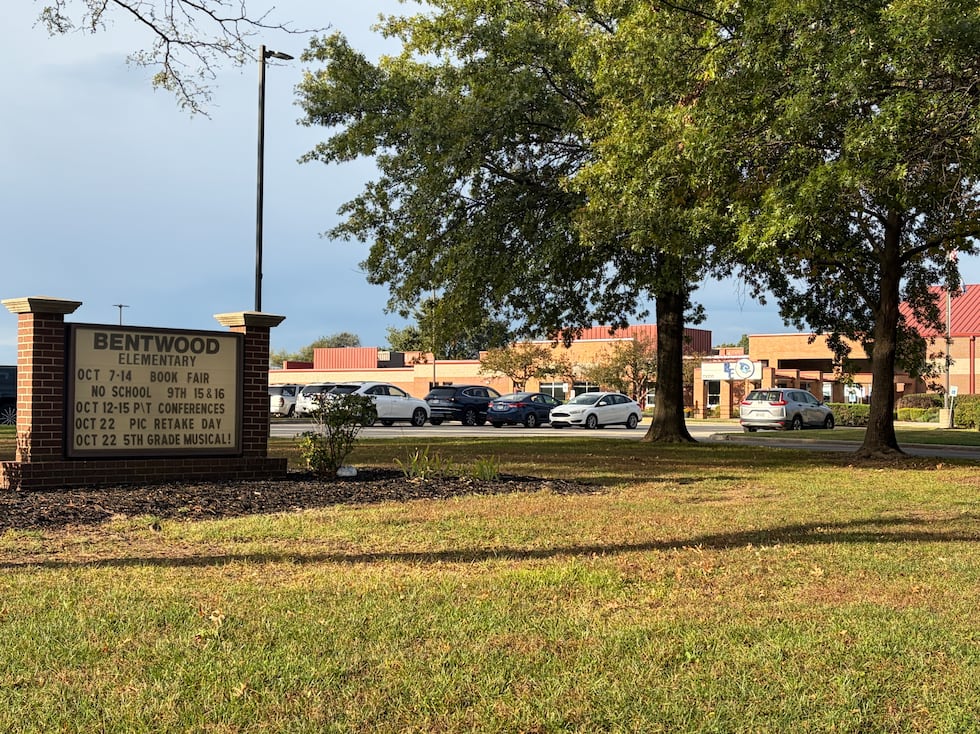
On Monday, Oct. 12, absences increased and reached the 10% threshold triggering contact with the Johnson County Department of Health and Environment, according to the district. The JCDHE then began determining whether the illnesses constituted an epidemic. The district said its custodial team has been conducting additional deep cleaning and disinfection of frequently touched surfaces and high-traffic areas daily during this time.
Students were not in attendance for a half-day on Wednesday, Oct. 14, or Thursday and Friday of this week due to scheduled days off, the district said. The building underwent another deep cleaning during this break.
During that time, two people with symptoms tested positive for norovirus, according to the district. Based on these findings, the JCDHE declared a norovirus outbreak, citing 82 other people who experienced similar symptoms between Oct. 8 and 14, the district said. JCDHE partnered with the district to notify Bentwood families, and the notification was sent on Monday, Oct. 19, according to the district.
As of Wednesday, only one student was absent with similar symptoms, the district said.
The Big Picture for Johnson County
Hunt said about 2,500 norovirus outbreaks are reported nationally each year, and that figure is also likely an underestimate.
Hunt said norovirus is sometimes called “stomach flu” but is not related to the flu. He said norovirus primarily causes vomiting and diarrhea, while the flu is primarily a respiratory illness. Hunt said there is no vaccine for norovirus and antibiotics are not effective because it is a viral infection.
Hunt said Johnson County typically experiences between three and five norovirus outbreaks per year, ranging from a handful of cases to a few dozen depending on the setting. He said the outbreak in Bentwood was on the larger side of outbreaks the county typically experiences, but it did not set a record.
A parent describes how quickly the outbreak spread
Samantha Pedraza, a parent at Bentwood Elementary School, said she first learned about the outbreak through conversations between parents via text messages and apps, before the school’s official notification on Oct. 19. She said she knows of families in which multiple children or parents have gotten sick and said at least one birthday party has been canceled because of the number of sick children.
Pedraza said her family had not contracted norovirus at the time of the interview and was surprised at how quickly the illness spread compared to other illnesses common at school.
“I was surprised we got such a large quantity so quickly,” Pedraza said. “Normally we have flu, colds, things like that, but it never explodes that quickly or takes out that many kids at once, so this was a little unexpected and a little more worrying.”
Pedraza said hand sanitizer is not effective against norovirus, so she emphasized hand washing with her child, and said the school nurse posted signs reinforcing proper hand washing for students.
Copyright 2026 KCTV. All rights reserved.
Gn Health

