
Dagen McDowell warns that the new cost-of-living adjustment will accelerate the Social Security budget crisis. It details how retirees will face a looming 22% reduction in their benefits by 2032 due to the collapse of the worker-to-retiree ratio.
Rising mortgage rates have brought some benefits to potential buyers this fall, although rates above 7% reduce the purchasing power available to buyers.
Realtor.com’s market clock report for the third quarter was released Monday and found that the national market clock now sits at 4 p.m. after shifting an hour in buyers’ favor since the second quarter, with the time indicating a late balanced market trending toward buyers.
Nationwide, the number of outright sellers’ markets fell from 39 to 27 over the past 12 months, while the number of buyers’ markets fell from 13 to 17.
The remaining 55 markets are in balanced territory, with 49 of them easing in favor of buyers and six tightening in favor of sellers.
THE HOUSING MARKET MAY FINALLY BECOME AFFORDABLE AGAIN. HERE’S WHAT YOU NEED
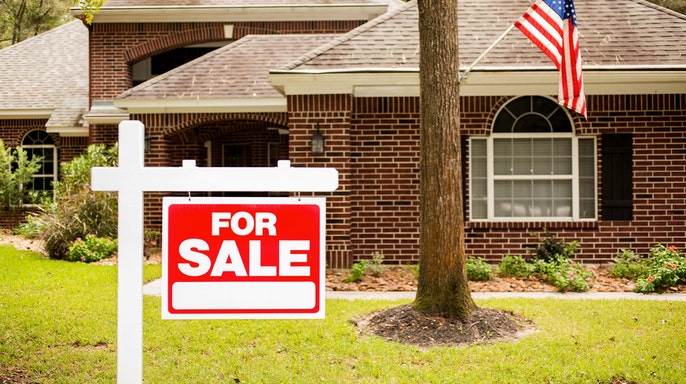
Buyers are gaining influence in the real estate market, but high mortgage rates are hurting their purchasing power. (iStock/Getty Images Plus)
Rising mortgage rates have slowed the number of sales and increased inventory levels in the market, prompting sellers to offer price reductions and concessions in an attempt to attract buyers.
But even if buyers gain leverage in their negotiations with sellers, that doesn’t replace the loss of purchasing power they face due to rising mortgage rates.
Realtor.com senior economist Jake Krimmel noted that mortgage rates increased 74 basis points in just over a month, from 6.66% in late August to 7.4% on October 8.
For a potential buyer who has a budget for a monthly principal and interest payment of $2,000, soaring mortgage rates have erased about $22,000 of home-buying power.
AFFORDABLE STARTER HOUSES ARE STILL A REALITY IN THESE GREAT U.S. CITIES
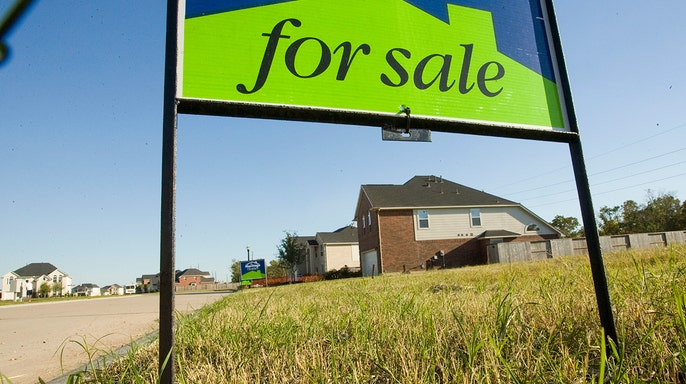
The Midwest was home to most of the nation’s seller-friendly real estate markets. (Brett Coomer/Houston Chronicle via Getty Images)
Realtor.com’s market clock analysis showed significant regional divergences between regions, as the relative leverage of buyers and sellers varied significantly in different parts of the country.
Midwestern markets remained seller-friendly and accounted for 16 of the nation’s 27 seller-friendly markets, where falling home prices are keeping demand high and inventory levels relatively low.
The Northeast has experienced a systemic lack of supply, but unexpectedly saw the largest decline in sellers’ markets, which fell from 11 to 5 over the last year, as conditions in higher-cost metro areas like Boston and Providence eased amid higher inventory levels.
THE AMERICAN DREAM NOW COSTS $5.3M DUE TO PROPERTY OWNERSHIP AND INCREASING COLLEGE COSTS

The Western region went from zero buyer’s markets in June to three in September. (Mike Blake/Reuters)
The South leads the country in the number of buyers’ markets, adding three since September 2025 to bring the total to 14. The number of sellers’ markets in the South has also decreased, from seven to two.
The West had no buyers’ markets in June but gained three in September as Bakersfield and Riverside, California, switched columns with Colorado Springs, Colorado.
Metropolitan areas that are currently in peak buyer’s markets are Greenville, South Carolina, and Nashville, Tennessee. There was only one metropolitan area, Hartford, Connecticut, where conditions reflected a peak seller’s market.
CLICK HERE TO DOWNLOAD THE FOX NEWS APP
Gn bussni

