
Bailey and Jacobey Severns were thrilled to become a family of five earlier this year when they welcomed their third child, but the couple were left devastated after a seemingly ordinary back pain led to a rare diagnosis.
With two sons already – ages 7 and 2 – Bailey, 25, and her husband Jacobey, 27, couldn’t be happier to expand their brood in February with another boy. Unfortunately, the newborn’s happiness was short-lived.
Jacobey had suffered from lower back pain since October 2025, but Bailey said News week that he “didn’t think much of it” at first. He thought it was probably just strain from his physical work, and he assumed he had injured himself while “moving something heavy.” A few weeks after welcoming baby No. 3, Jacobey’s back pain got significantly worse.
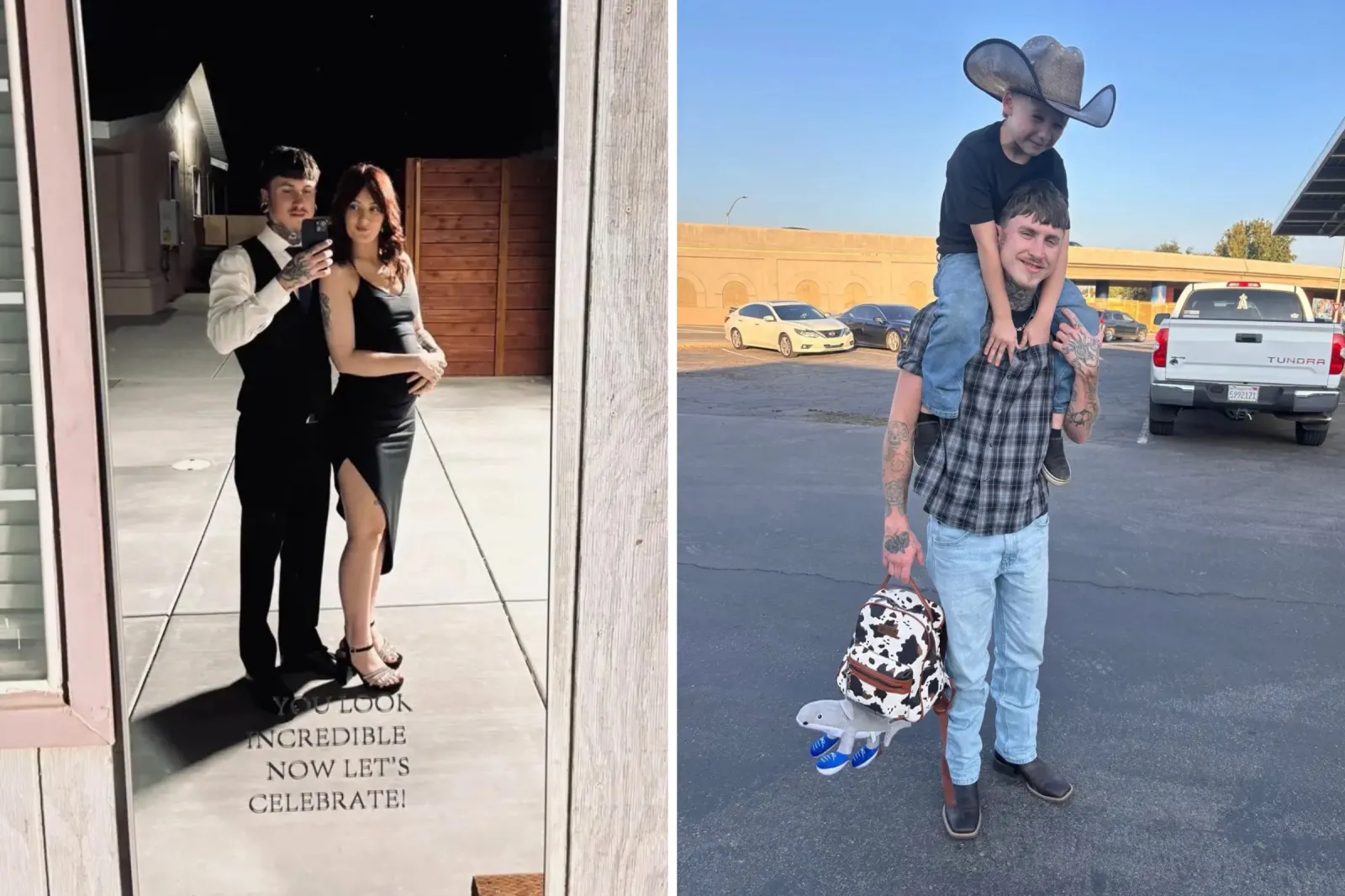
“In March, we went back and forth with the doctors, but they didn’t want to do anything because they didn’t think it was concerning,” Bailey said. “We really thought he had just done something at work. We never thought this could be what it actually is.”
Jacobey’s pain worsened until it became debilitating. Although he could still go to work, he was not physically able to do as much. He also had a back brace, but it didn’t seem to help.
“It just kept getting worse. So finally, one morning in early May, I had to call an ambulance because he couldn’t move,” Bailey said.
Once at the hospital, doctors performed an MRI and CT scan to determine the cause of Jacobey’s pain. Results showed lesions on the lower spine and pelvic region, but a biopsy was also needed before making a formal diagnosis.
Shortly after, Jacobey was diagnosed with stage 4 metastatic melanoma. The Severns were shocked by this revelation, as they did not expect cancer to be a part of their story.

Jacobey underwent four rounds of immunotherapy to treat the melanoma, as well as four surgeries to stabilize his bones.
“The first surgery was in June and it was a spinal fusion going from the mid to lower back,” Bailey said. “It took eight hours, and they ended up removing part of the tumor as well. The second surgery was a few weeks later to put a screw in each hip for more stability.”
“He had another spinal fusion of T7-T5 (his upper spine), then the next day they operated on the femur and put a rod in his leg to stabilize it. The doctors said the tumors were compressing everything and if he hadn’t had those surgeries he would be paralyzed,” she continued.
Despite treatment and multiple surgeries, Jacobey’s pain only progressed. It became so excruciating that he couldn’t move, walk or eat, causing him to lose 35 pounds in a matter of weeks.
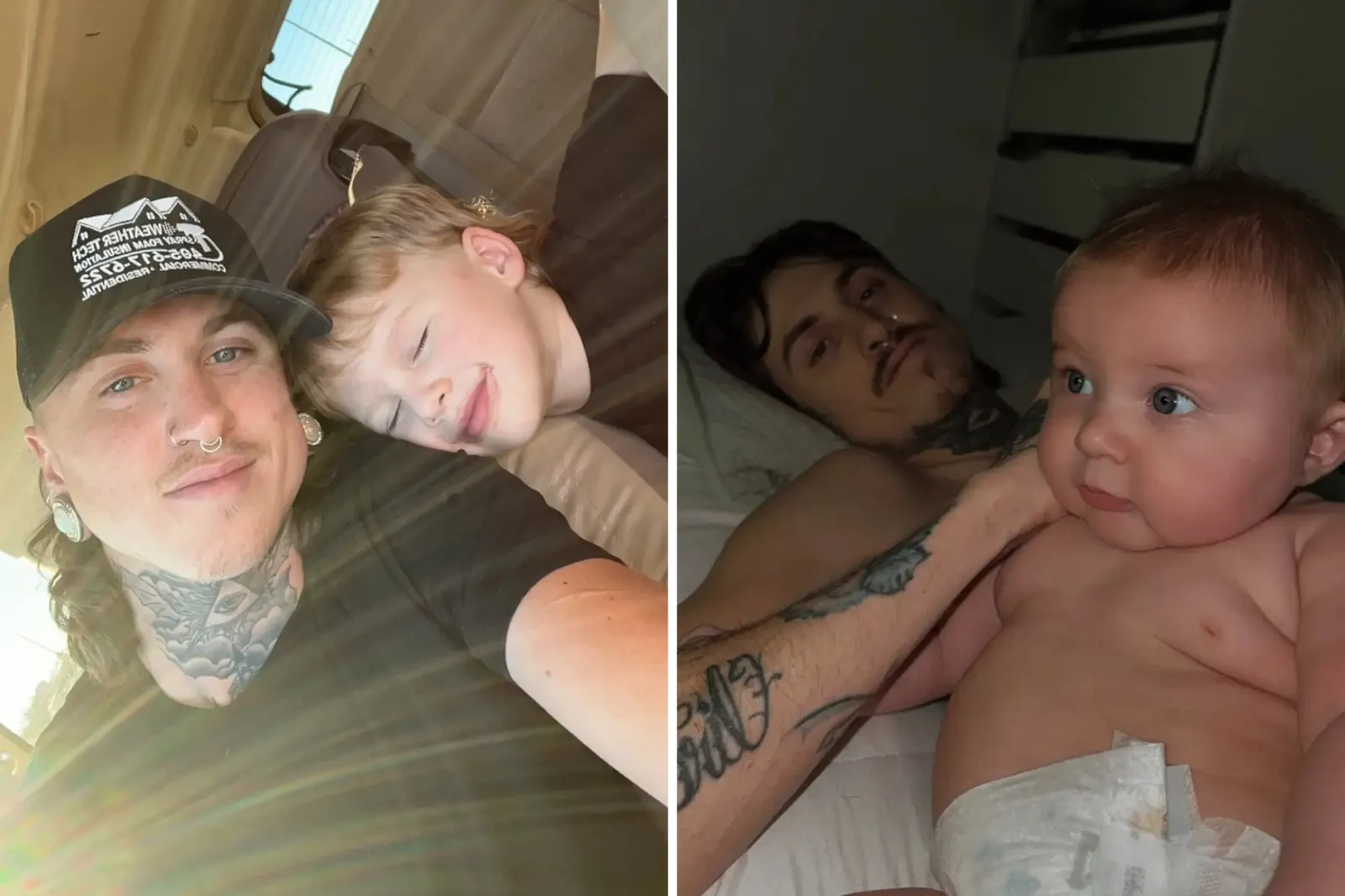
It became clear that the treatment was not helping Jacobey and that painkillers were offering no relief. So in September, he and Bailey moved to California to work with doctors at Stanford.
Doctors reviewed Jacobey’s biopsy results and made a shocking discovery. They said his initial diagnosis was incorrect and they didn’t think he had melanoma at all.
Instead, they diagnosed the father of three with a malignant melanotic nerve sheath tumor. It is a rare and aggressive cancer that begins in the nerve roots. According to the National Library of Medicine, malignant melanotic nerve sheath tumors can affect men and women equally and are often diagnosed between the ages of 10 and 40.
This rare cancer can be difficult to diagnose because it shares characteristics with melanoma and other pigment-producing tumors, sometimes requiring specialized examinations and advanced tests to distinguish them.
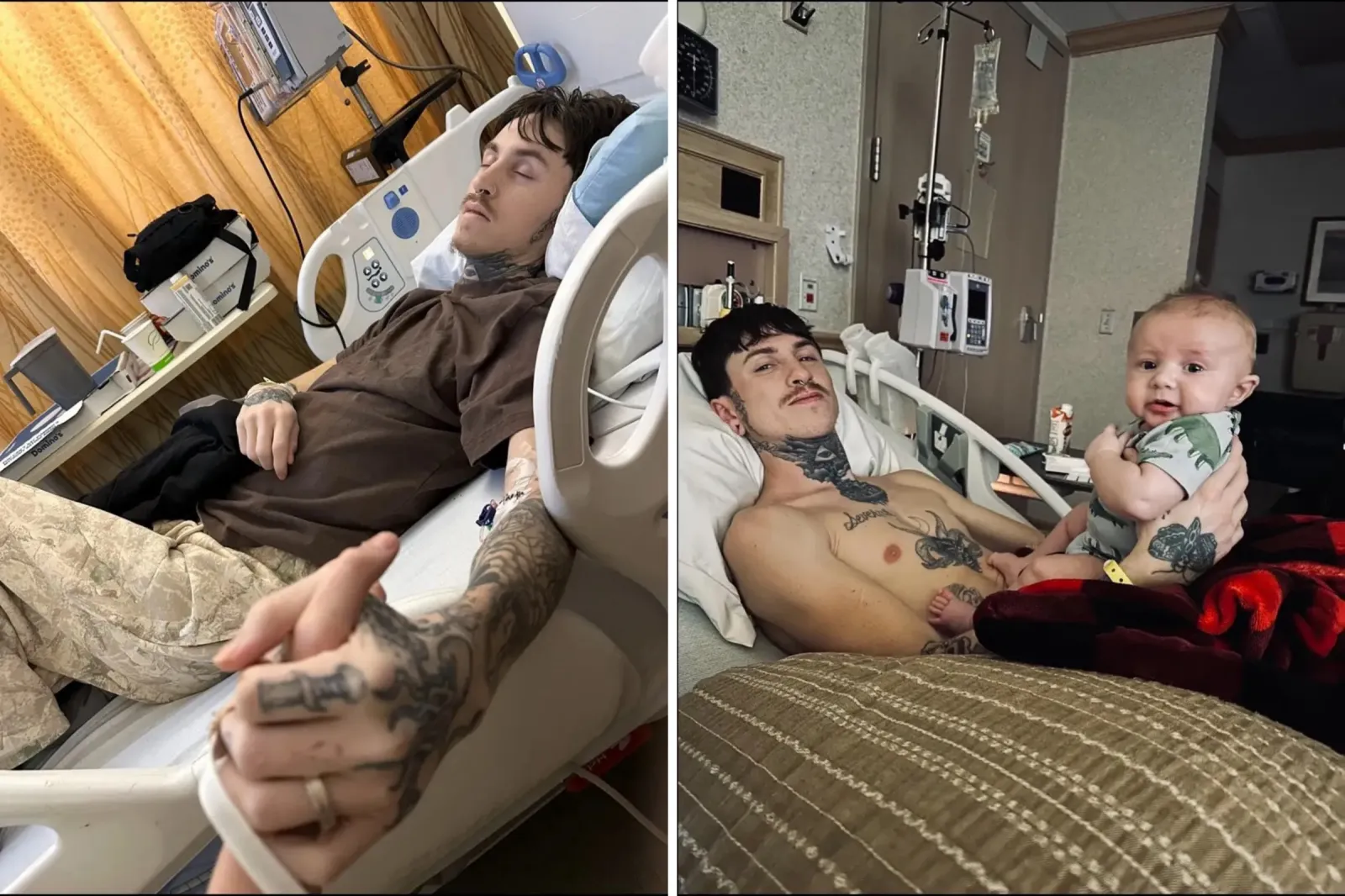
“We were so hurt and angry and scared when we learned of the new diagnosis. It’s very aggressive and harder to treat because it’s so rare,” Bailey said. News week. “Jacobey had been on the wrong treatment for five months. That’s why it wasn’t working. Now it’s spread to many other places, but he’s finally on the right treatment.”
Because these tumors frequently grow along spinal nerves, symptoms may include persistent back pain, nerve pain, weakness, numbness, and in advanced cases, compression of the spinal cord or nerves that can threaten mobility and neurological function.
Doctors performed a cordotomy by going into the side of Jacobey’s neck and burning the nerves to cut the ones causing pain, which “helped tremendously,” Bailey said.
He is now doing much better and has gained 20 pounds since moving to California. He gradually gains strength and is desperate to continue fighting. Although his back is still broken, Jacobey continues to get up every day, sit in his wheelchair and do mobility exercises.
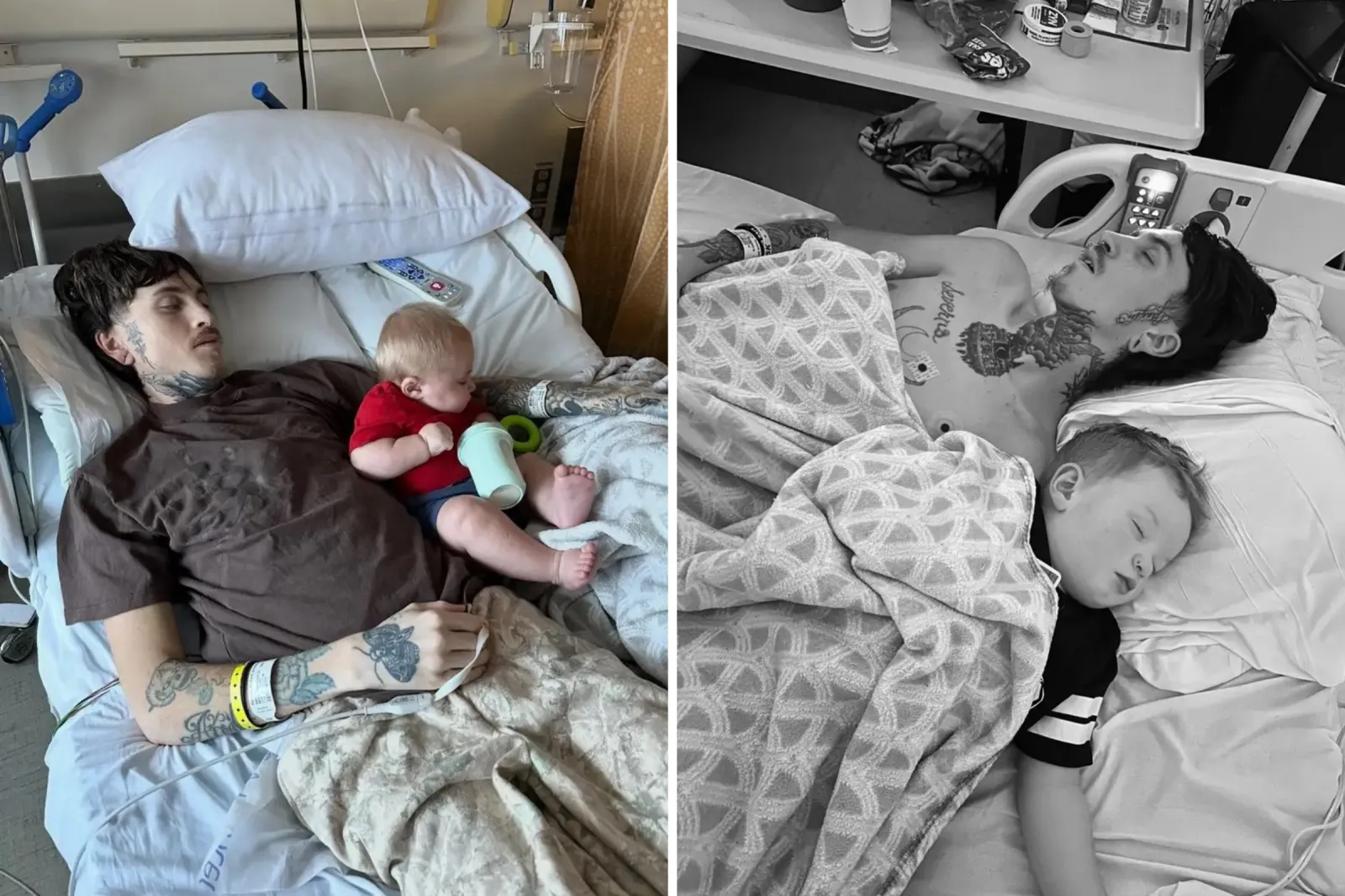
Due to the rarity of this cancer, it is still unclear whether its current treatment will be effective. The family hopes to find a suitable clinical trial. In addition to documenting this experience on social media, the family created a GoFundMe as they face ongoing medical bills, lost income, and the high price of accessing clinical trials.
“We’re trying to get all the help we can because we’re desperate at this point,” Bailey said. “We just want to save my husband’s life. My children need their father. Our oldest son understands that his father is sick, and it’s heartbreaking to see him see his father like this.”
Is there a health problem that worries you? Let us know via health@newsweek.com. We can seek advice from experts and your story could be published on News week.
Contact Newsweek editors on this story: Charlotte Nisbet and Shakeema Edwards.
Gn Health

