
The separatists of the Parti Québécois won the elections on Monday, October 5 in the French-speaking province where they promise to organize a new referendum on independence, a test for the message of unity from Canadian Prime Minister Mark Carney in the midst of a trade conflict with Washington.
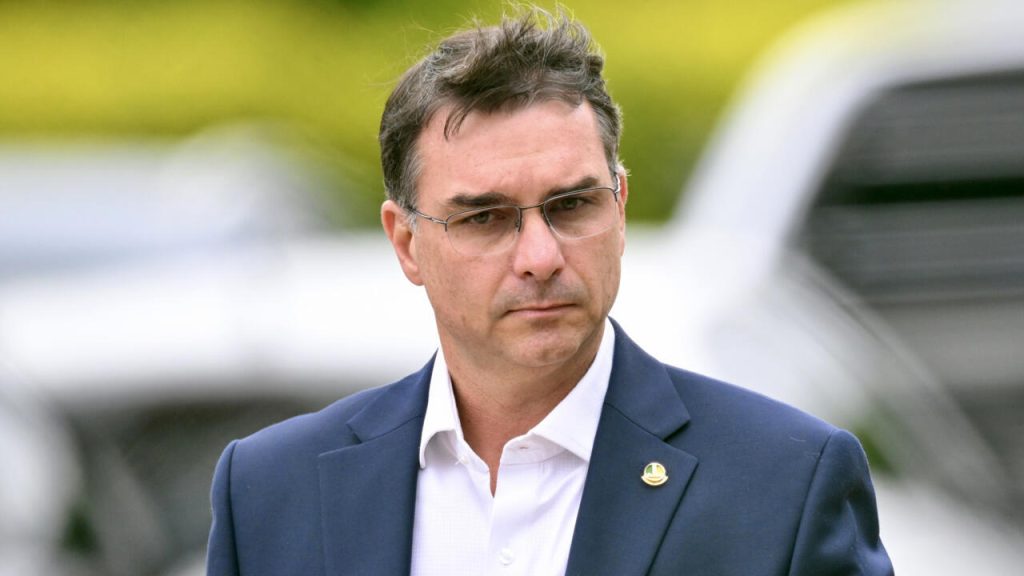
The head of this formation, Paul St-Pierre Plamondon, a 49-year-old lawyer nicknamed “PSPP”, will be the new Prime Minister of the province with very broad skills and a population of 9 million inhabitants. When the results were announced, his supporters gathered in Montreal sang “Quebec, one country”, a famous independence slogan. With around 28% of the votes, according to almost final results, he will not, however, have an absolute majority, which will complicate the implementation of his program.
Also readCanada: the tightening of migration policy divides the country
“PSPP” promised in particular to organize a new referendum on the independence of Quebec, but specified that it would wait until the end of Donald Trump’s mandate in January 2029 because the current escalation of the trade conflict between the United States and Canada does not offer “a serene climate in which to think about our future”.
The return to power of the Parti Québécois, which had not led the province since 2014, is not good news for Mark Carney as no solution to the trade conflict with Washington is in sight and he is faced with other separatist desires in Alberta. This rich oil province in western Canada must vote on October 19 to decide whether or not to organize a future independence referendum.
Mark Carney “can’t wait to work” with Paul St-Pierre Plamondon
“Building a stronger Quebec is at the heart of our mission to build a stronger Canada,” said Mark Carney, in a message on his X account, saying he “looks forward to working” with the new leader of Quebec “to support Quebec businesses and workers affected by” American customs duties.
If it takes place, the referendum promised by the Parti Québécois would be the third organized in Quebec after those of 1980 and 1995. The last was narrowly lost by the “yes” camp for independence. The question of independence has always deeply divided Quebec between “sovereignists” wanting to separate from Canada and “federalists”. But the idea of a new referendum returns for the first time in thirty years to the center of political debate.
Even if the independence camp goes beyond the Parti Québécois alone, the proportion of Quebecers ready to vote “yes” to a separation from Canada is only 31%, according to a recent survey. According to analysts, the vote for the independence party was fueled more by voters’ disappointment over the cost of living or health with the outgoing majority, which lost all its deputies, than by a desire for independence.
“Abolish the monarchy” in Quebec
Paul Saint-Pierre Plamondon has already suggested that he sees his relationship with Ottawa as a “balance of power”. If Quebec is not “respected (…) I will not sweep under the rug the fact that it is not acceptable,” he said last week.
Another subject of discord to come with the federal government, he also promised to “abolish the monarchy” in Quebec, that is to say to cut off the funds of the representative of the British crown in the province, whose role, in particular to promulgate Quebec laws, is nevertheless enshrined in the Canadian Constitution.
Canada is a member of the Commonwealth and its head of state is Charles III. It’s a “masquerade that costs money”, denounced the independence leader who wants to use these funds to reduce the number of homeless people.
With AFP