
When we first drove BMW’s first Neue Klasse model, the iX3, we quickly revealed that BMW knows how to make a good electric vehicle. Newly designed, it featured the automaker’s sixth-generation electric powertrain, a completely redesigned dashboard and powerful computers to run the whole show. Now, much of that technology is being carried over to the larger X5 range.
But BMW knows that not all of its customers are ready to go electric, especially in the United States, which is why it’s sticking with its powertrain-agnostic CLAR platform, used in cars as diverse as the big 7 Series and the new gasoline 3 Series. This means that in addition to the fully electric iX5, there are also mild hybrid and plug-in hybrid X5s, and eventually even a hydrogen-powered option. For now, as I’ll explain, I think electric vehicle is the pick of the bunch.
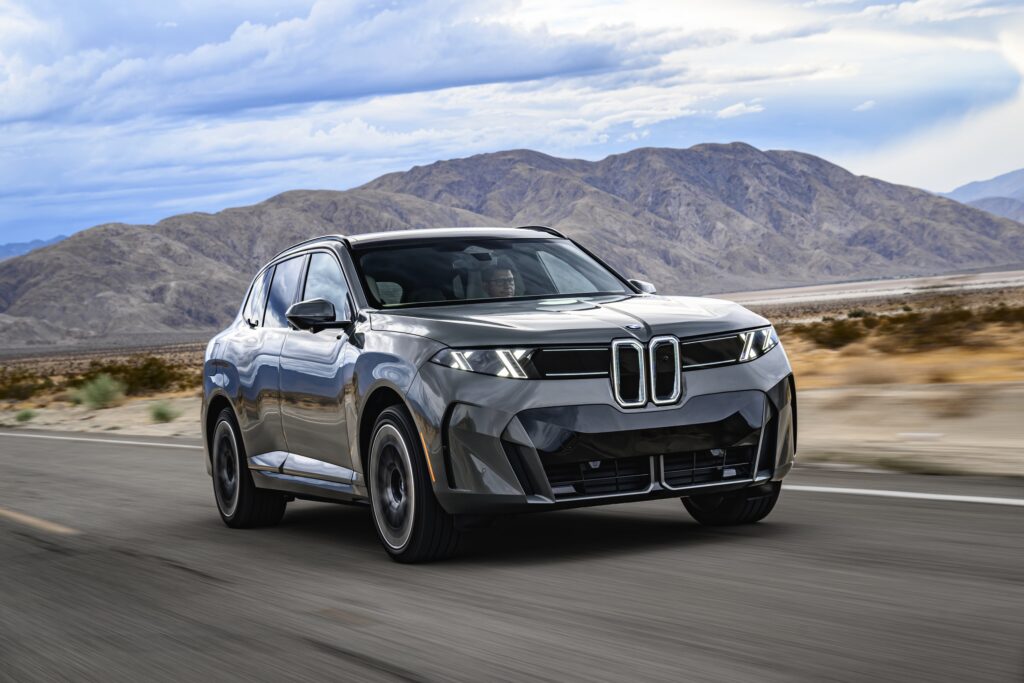
Get used to it, because this is what BMW SUV grilles look like now.
BMW
Get used to it, because this is what BMW SUV grilles look like now.
BMW
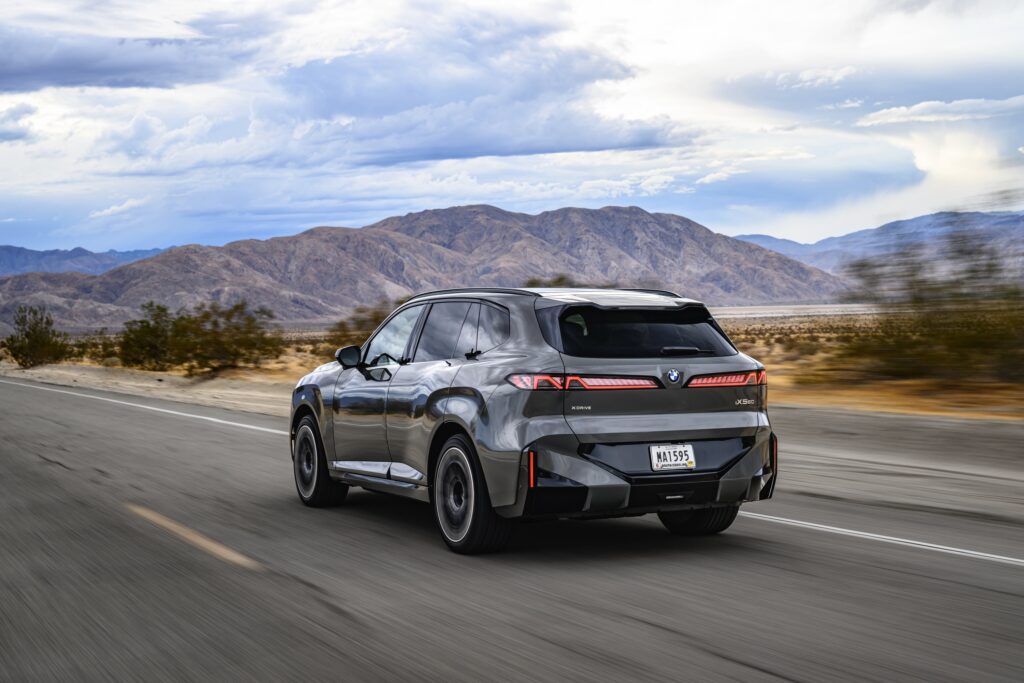
If you look very carefully you will see that it is an iX5 as there is no exhaust. Of course, reading the badge is probably easier.
BMW
If you look very carefully you will see that it is an iX5 as there is no exhaust. Of course, reading the badge is probably easier.
BMW
Get used to it, because this is what BMW SUV grilles look like now.
BMW
If you look very carefully you will see that it is an iX5 as there is no exhaust. Of course, reading the badge is probably easier.
BMW
Choose your power
The more conventional option is the X5 40 xDrive, powered by a 3.0L turbocharged inline-six engine that generates 394 hp (294 kW) and 428 lb-ft (580 Nm). The 48V mild-hybrid system can provide decent torque (148 lb-ft/200 Nm) when needed, and the engine operates on the Miller cycle for better efficiency, while still featuring the usual BMW engine technology like variable valve timing. Expect around 26 mpg (9 L/100 km) from this powertrain and an empty range of 569 miles (915 km).
Eventually, a 400V plug-in hybrid X5 50e xDrive will join the mix on the Spartanburg, South Carolina production line, with a 26.5 kWh battery and approximately 44 miles of electric range. And eventually, BMW’s hydrogen fuel cell technology will also find its way under the hood of the next-generation X5. But those who want something more efficient than the X5 40 can consider the iX5.
BMW is sticking to its strategy of an asynchronous motor for the front axle and an electrically excited synchronous motor for the rear drive unit, thanks to the lower losses of these types of motors compared to motors using permanent magnets. There is a combined output of 570 hp (425 kW) and 593 lb-ft (804 Nm): the front motor generates 245 hp (183 kW) and 225 lb-ft (305 Nm); the rear produces up to 325 hp (242 kW) and 369 lb-ft (500 Nm).
Gn bussni

