
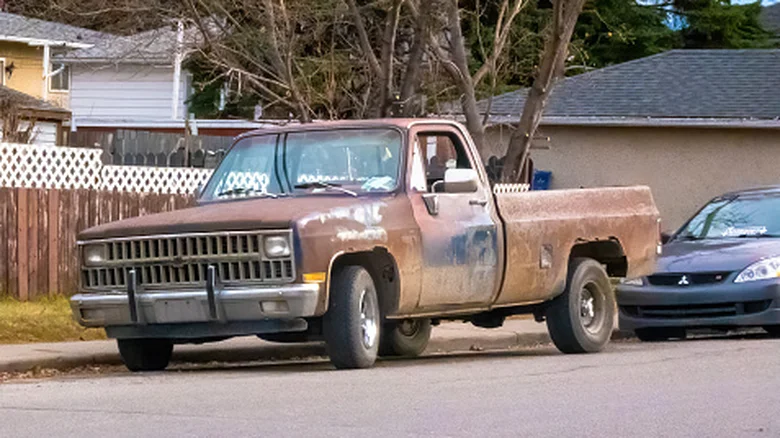
The average American can’t afford to buy a new car. The average transaction price for a new car recently hit an all-time high of nearly $52,000, at a time when most consumers don’t have $1,000 in savings. Jobs are down, wages are down, the value of the dollar is down and prices are up sharply. With the prices of utilities, insurance, groceries, and gasoline exploding this year, most of us don’t have, as my grandfather often said, a pot to pee in or a window to throw it out of.
How are Americans coping with the affordability and savings crisis? Many of us are foregoing the purchase of a new car, with new car sales down 3.6% from last year. The decline in new car sales corresponds to an increase in the average age of a registered passenger car on the road today, which is becoming older than it has ever been, reaching a crazy figure of 14 and a half years.
It’s worth noting that while the average age of cars on the road is increasing, and cost is a big part of that, it’s a testament to the longevity and durability of vehicles in the modern era. If you bought something in 2012, you probably have something worth keeping. It’s modern enough to be comfortable and efficient, but it’s probably relatively easy to work on, maintain, and keep alive. And it’s good to keep in mind that a 2012 car is the average, which means about half the population drives something older than that.
Whether or not you can afford a new car, are you buying one right now? Or are you planning to keep your old car on the road for as long as it lasts? Maybe, like me, there just isn’t anything on the new car market that has captured your interest enough to be worth the monthly payment. Express your thoughts on buying new cars versus keeping old cars in the comments below, and we’ll discuss them. Then I’ll pick a few of my favorite answers to recap for everyone next week.
My fleet average is even older
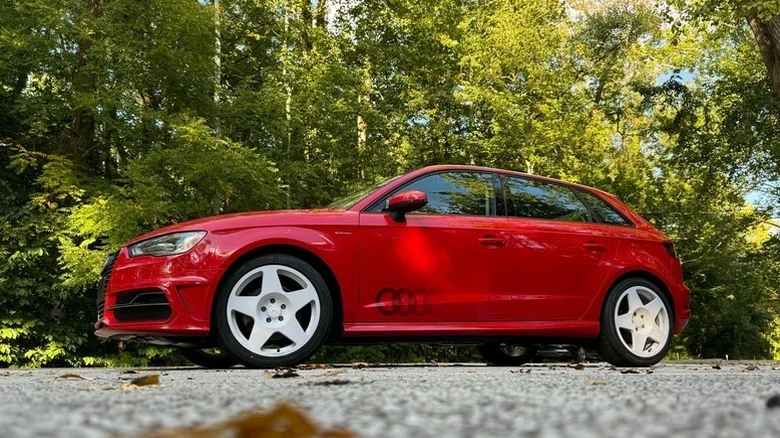
I’ve only bought one new car: a Buick Regal TourX. It was a great car, and it did a lot of amazing things, but we sold it at 100,000 miles and haven’t looked back. Now our newest car is my 2016 Audi A3 e-tron plug-in hybrid which recently passed the 100,000 mile threshold itself. This car and my wife’s former daily driver, the 2013 Porsche Cayenne diesel, are barely newer than the average car, but among our fleet, they are positively modern. Add to that the recently purchased 2006 Mazda5 manual (intended to replace the Cayenne once sold), my 2001 Porsche 911 Turbo, my 1996 Dodge Neon ACR, my 1990 Cadillac Allante, and my 1976 Porsche 912E, and we have an average fleet age of 26 years. Once we get the Cayenne out of here, that number will increase to almost 30 years.
It was nice to have a new car with a warranty for a while, but it didn’t make sense for our finances. The monthly payment of $490, plus insurance, fuel and maintenance costs, didn’t exactly make for a rewarding experience. And that was with a below-average transaction price of $36,000 and 0% APR financing. These days, neither is available and average monthly payments have soared to over $700. I think I’ll stick to my old cars.
Even though I could theoretically afford an extra $700 a month for a car payment, that would seriously put a strain on our lifestyle that just isn’t worth it. Even with maintaining seven older cars, we’re nowhere near that kind of monthly expense. Plus, there are very few things on the market today that actually interest me.
Gn bussni

