
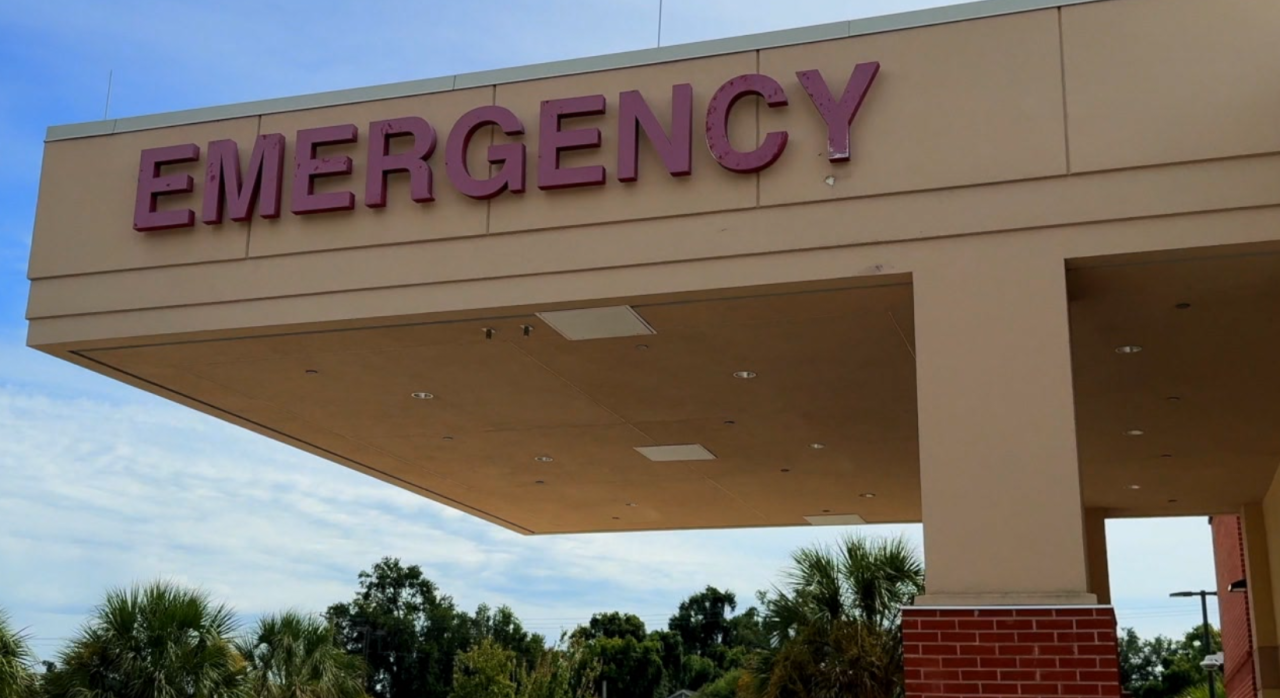
TAMPA, Fla. — Stand-alone emergency services have become increasingly difficult to miss in Tampa Bay.
These facilities promise convenient access to emergency care without requiring patients to travel to a traditional hospital campus.
But several patients told Tampa Bay 28’s I-Team that they didn’t fully understand the potential cost when they walked through the doors.
WFT
One patient said his insurer was billed more than $8,000 after a doctor treated his dislocated finger.
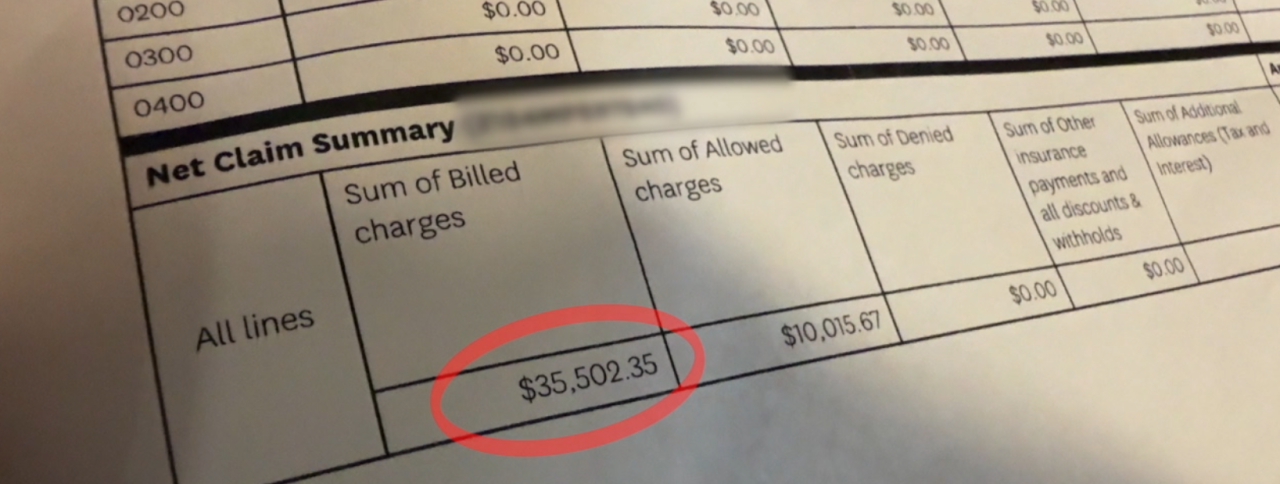
Another said an independent emergency room charged $35,000 following a visit for rabies vaccinations.
A third patient was awarded more than $17,000 in fees after suffering a head injury.

WFT
“I think there’s something really broken here,” Abram Jacobson said. “And I know I’m not the only one, and it was a really trivial case.”
Stand-alone emergency services expanding across Florida
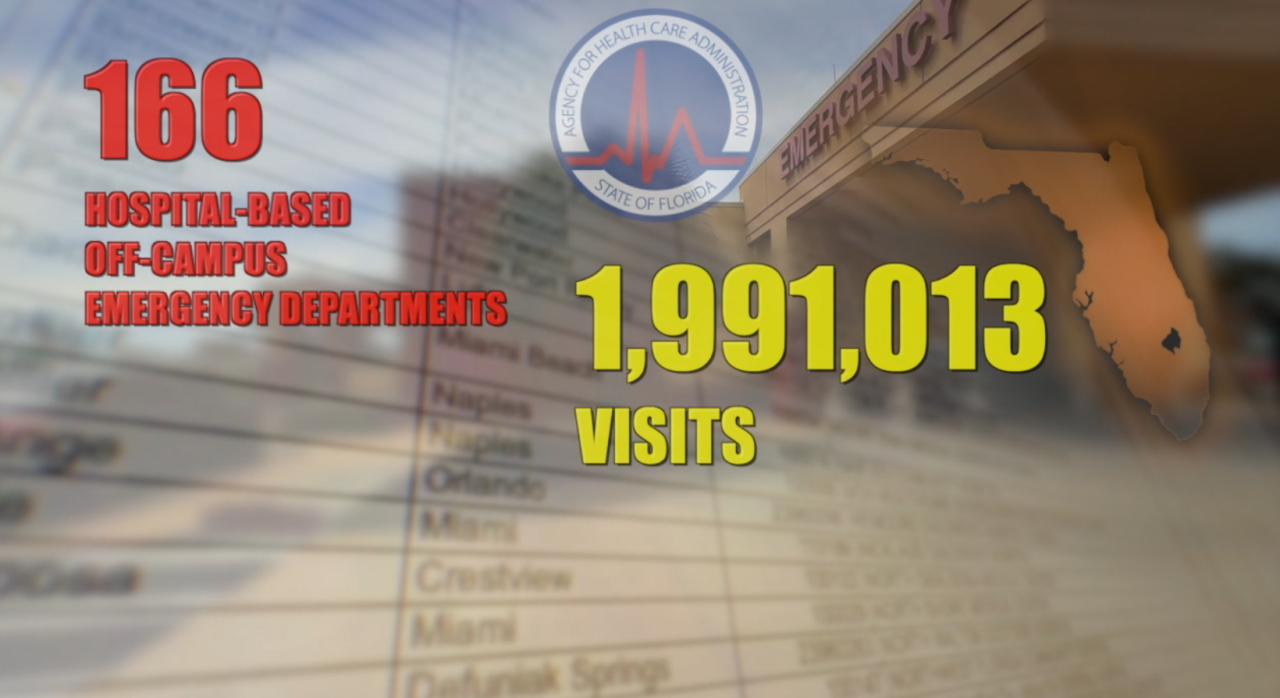
Florida has 166 off-campus hospital emergency departments, accounting for nearly 2 million visits, according to information reviewed by the I-Team.
wfts
Unlike an urgent care clinic, a freestanding emergency room operates like a hospital emergency room and charges emergency room rates.
A 2021 Florida House analysis found that treatment at an urgent care center cost on average about $193, compared to more than $2,000 at a free-standing emergency department.
A separate academic study found that each additional free-standing emergency center entering a market was associated with an average 3.6 percentage point increase in emergency department spending.

WFT
“The biggest cost driver for any health plan in the United States is the emergency room,” said Bill Hennessey, a physician and patient billing advocate.
For less serious conditions in which a patient doesn’t expect to be admitted to the hospital, Hennessey said emergency care typically costs between $200 and $300.
“There is an opportunity to make money,” he said. “Just follow the money.”
An $8,000 bill to treat a dislocated finger
Mark Currier dislocated a finger while playing basketball at a recreation center.
“It was bent at about a 90-degree angle,” he said.
Fearing the finger might be broken, Currier searched online for nearby medical care and went to the nearest free-standing emergency room that appeared on his phone.

WFT
“They ended up taking my finger and pulling it straight, which hurt, and they put it in a splint and said, ‘OK, thank you very much,'” he recalled.
Then the bill arrived.
“The overall fee they charged my insurance company was over $8,000 to pull my finger,” Currier said.
Currier said he thought an urgent care center could have treated the injury.
“Absolutely,” he said. “It wasn’t complicated at all.”
He also admitted that he did not understand the difference between an urgent care clinic and a free-standing emergency center when seeking treatment.
“I didn’t,” Currier said. “I just Googled it and went to the nearest location listed on my phone.”
Costs of $35,000 following an encounter with a bat
Abram Jacobson’s experience began when his dogs cornered a bat in his yard.
Jacobson said he found the bat and touched its chest with a finger to check if its heart was beating.
As a precaution, he took his dogs to a veterinarian for rabies booster shots, which he said cost $180 for both animals.

WFT
The veterinarian reported the incident to health officials, who ordered Jacobson to seek medical attention. He went to an independent emergency department.
“I was in and out very quickly, and for me, a routine vaccination,” he said.
But the bill was far from routine.
“When I saw they charged $35,000 for the event, I was like, ‘What? What universe am I living in?'” Jacobson said.
Abram Jacobson
Jacobson said the independent emergency department has not administered all the vaccines it needs.
He had to go to the health department for subsequent booster shots.
More than $17,000 in charges after head trauma
Linene Kates was attending a boat show in Tampa when she tripped over a concrete wheel stop in a parking lot.
“I walked headfirst into a concrete pile,” she said.
Kates went to an independent emergency department in hopes of receiving treatment more quickly.
Instead, she said she spent about nine hours there.

Lin Kates
“No one ever came to me and my son kept going up there asking for more ice blocks because they were going to melt,” she said.
Kates underwent an MRI, was placed in a blindfold and was allowed to go home.
The total charges were $17,437, according to an invoice she reviewed with the I-Team.
Kates said she also received a separate bill from the doctor who treated her.
Florida requires stand-alone emergency rooms to notify patients
Florida lawmakers recognized that patients could confuse freestanding emergency rooms with urgent care centers.
State law requires free-standing emergency departments to post signs informing patients:
- The establishment is a hospital emergency service.
- This is not an urgent care center.
- Emergency service rates are charged for its services.
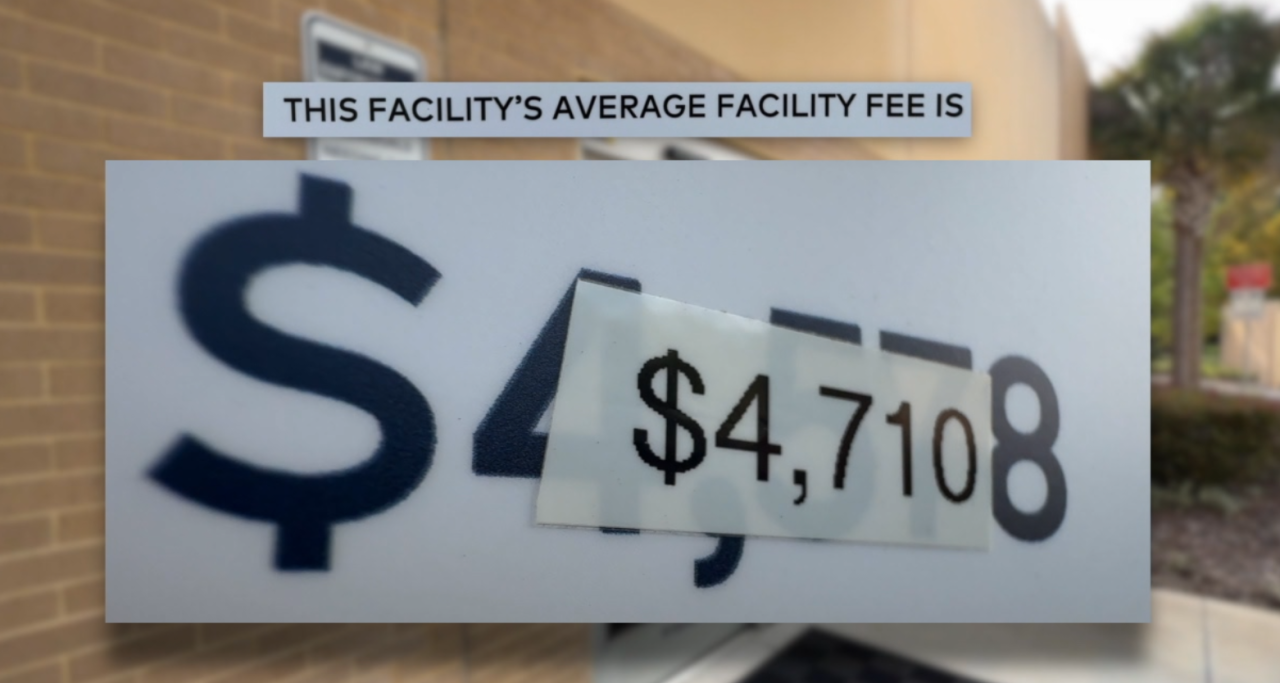
Establishments must also display their average establishment fees.
These fees can exceed $5,000 in some cases.
WFT
Hospital association says facilities improve access
The Florida Hospital Association declined the I-Team’s request for an interview but disputed criticism of free-standing emergency departments.
In a press release, the association writes:
“The demand for health care continues to increase as our state’s population grows and ages. Additionally, families and visitors rely on timely access to health services when minutes count. Whether restoring blood flow during a stroke, saving an injured finger, or dealing with a psychiatric crisis, rapid diagnoses and treatment improve health outcomes and save lives. Stand-alone emergency departments can complement existing hospitals and health care providers bringing emergency care closer to home and reducing wait times for patients.”
How to decide where to get treatment
Hennessey said patients suffering from a possible stroke, heart attack, fracture or other serious illness should seek emergency care rather than going to an urgent care clinic.

WFT
He also advised patients who think they need emergency care to consider going to an emergency room attached to a hospital.
“I want someone who really thinks they need emergency care to go to an emergency room attached to a hospital, so that if you need further care from a medical specialist inside the hospital, you’re already there,” Hennessey said.
For patients with less serious conditions, understanding the difference between emergency and emergency care before they arrive could help avoid an unexpected bill.
Here’s a guide Hennessey provided to the I-Team:
Emergency Care Symptoms/Conditions
- Persistent cough
- Sore throat
- Ear pain
- Asthma flare-up
- Redness and/or discharge from the eyes
- Fever without rash
- Dehydration
- Abdominal pain
- Flu-like symptoms
- Suturing minor cuts
- Urinary tract infection/increased urinary frequency
- Sprains and strains
- Vomiting
- Strep throat
- Sinus infection
Emergency Symptoms/Condition
- Chest pain
- Difficulty breathing
- Troubled speech
- Weakness on one side of the body
- Severe burns
- Broken bones
- Fever with change in mental status
- Seizures
- Head/cerebral trauma
- Suturing major cuts
- Severe allergic reaction
- Severe abdominal pain
- Severe bleeding
- High fever
- Vaginal bleeding during pregnancy
Gn Health

