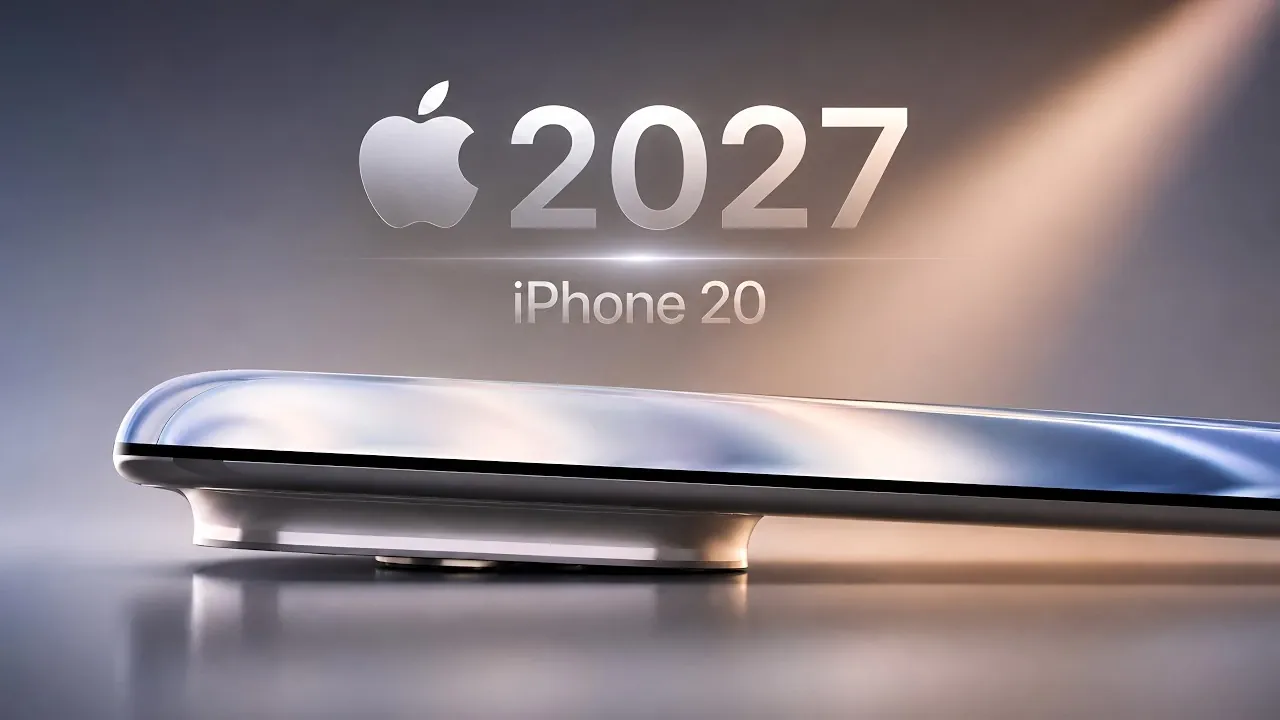
Apple is reportedly preparing a major redesign of the iPhone 20, scheduled for release in 2027 to commemorate the 20th anniversary of the original iPhone. The landmark device is expected to introduce a range of innovative features, including a nearly frameless curved glass design, larger screens and solid-state buttons. These advancements aim to improve the iPhone experience, but they also bring technical challenges and may cause mixed reactions among users.

Why the iPhone 20 is important
The iPhone 20 is more than just an update; it symbolizes two decades of Apple’s influence on the smartphone industry since the launch of the first iPhone in 2007. Reports suggest that Apple may skip the iPhone 19 altogether, aligning the iPhone 20 with this historic anniversary. This strategic move highlights the importance of the redesign, positioning it as an important step in Apple’s journey. By combining innovation and homage to its heritage, Apple aims to redefine expectations for smartphone design and functionality.
Main features of the redesign
The iPhone 20 was rumored to introduce several bold design elements, emphasizing both aesthetics and practicality. These features could include:
- Bezel-less curved glass design: A nearly bezel-less screen with curved edges can create a sleek, immersive appearance. Apple is reportedly exploring a quad-curve design, with curvature on all sides, while retaining usability and avoiding the pitfalls of fully curved displays.
- “Liquid Glass” aesthetic: A futuristic design language focused on transparency and reflective surfaces could align with Apple’s minimalist philosophy, delivering a device that is both modern and timeless.
These design choices aim to push the boundaries of smartphone aesthetics while maintaining the functionality expected by users.
Display Improvements: Bigger and Better
Display technology is expected to play a central role in the iPhone 20’s appeal. Pro models may feature larger screens, with the Pro Max reaching up to 6.96 inches. These displays are likely to provide:
- Higher resolutions: Sharper visuals for an improved viewing experience.
- Thinner frames: Maximized screen space for a more immersive feel.
Although under-display camera technology remains uncertain, Apple may continue to use a punch-hole selfie camera to ensure reliability and quality. These advancements reflect Apple’s commitment to delivering visually stunning devices without sacrificing practicality.
Static buttons: a tactile change
One of the most anticipated changes in the iPhone 20 could be the introduction of solid-state buttons, replacing traditional physical buttons. These tactile buttons, enhanced by haptic feedback, should handle functions like power, volume, and camera controls. This change offers several potential benefits:
- Improved durability: Eliminating moving parts reduces wear and tear over time.
- Seamless design: A smoother, uninterrupted exterior aligns with Apple’s minimalist aesthetic.
However, this change risks dividing users. While some will appreciate the clean, modern feel, others might miss the tactile feedback of traditional buttons, raising questions about user adaptability.
Dynamic Island: What’s Next?
The dynamic island, introduced in recent iPhone models, could see further improvements in the iPhone 20. Although its size has been reduced in current iterations, its future role remains a matter of speculation. Apple could explore new ways to improve its features, focusing on improving user interaction and convenience. Whether through expanded features or deeper integration with the device’s ecosystem, Dynamic Island could continue to evolve as a key part of the iPhone experience.
The challenges ahead
Despite its ambitious vision, the redesign of the iPhone 20 faces several technical and practical challenges. The main obstacles include:
- Complex Manufacturing Displays: Producing fully curved displays at scale could present significant challenges, potentially affecting production times and costs.
- Solid State Button Calibration: Ensuring that these buttons provide satisfactory feedback and reliable functionality will require meticulous engineering and testing.
Balancing innovation and practicality will be key as Apple works to overcome these obstacles and deliver a device that meets user expectations.
Looking to the future
The iPhone 20 represents a bold step forward for Apple, combining aesthetic innovation and technological advancements to celebrate two decades of iPhone heritage. Features like frameless curved glass, larger screens, and solid-state buttons aim to create a smooth and immersive user experience. However, the success of this redesign will depend on Apple’s ability to overcome technical challenges and align with user preferences. As the iPhone’s 20th anniversary approaches, the iPhone 20 has the potential to become a defining moment in Apple’s continued quest for innovation.
Become an iPhone 20 expert with the help of our in-depth articles and helpful guides.
Source and image credit: Demon’s Tech
Filed under: Apple, Apple iPhone, Linux News, Top News
Disclosure: Some of our articles include affiliate links. If you purchase something through one of these links, Geeky Gadgets may earn an affiliate commission. Discover our disclosure policy.
Gn tech