
For many, a stubborn booger can be difficult to ignore and eliminating it might even make breathing easier. But according to a new video from the YouTube channel Institute of Human Anatomythe way people go about it can turn a minor annoyance into a dangerous nosebleed.
In the video, posted online last Sunday (October 4), the host of the show, Jonathanexamined a real human nasal cavity to show what a finger can reach and why a special place is so easy to hurt.
Highlights
A viral video examined a human nasal cavity to show the dangers of picking your nose.
The host, Jonathan, explained that damaging a particular spot can lead to recurring nosebleeds.
The video also showed how to properly apply pressure during a nosebleed and when to seek medical attention.
“I hope you’re not going to stick two fingers up your nasal cavity looking for buried treasure,” he joked.
Picking your nose can be surprisingly dangerous if a very specific area of the socket is injured
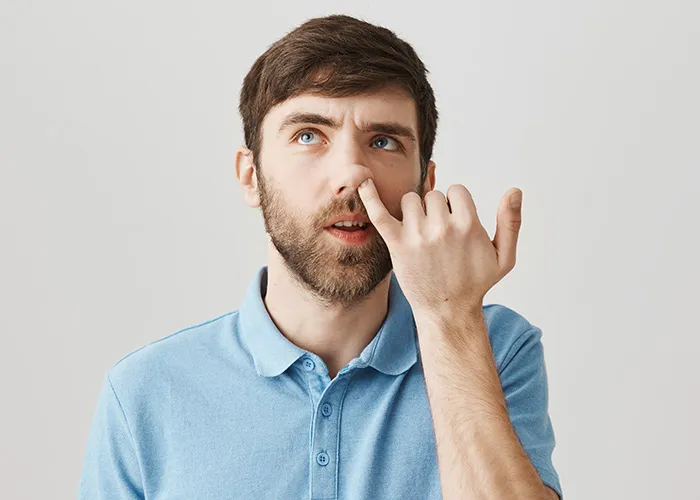
Most people think of the nose as the part they can see in the mirror. Jonathan started there, then pointed to the much larger cavity behind it.
He identified the nasal septum, the wall dividing this cavity into left and right sides. He then showed the curved structures called nasal concha, or turbinates, which project into space. Their shape gives the incoming air more surface area to pass through.
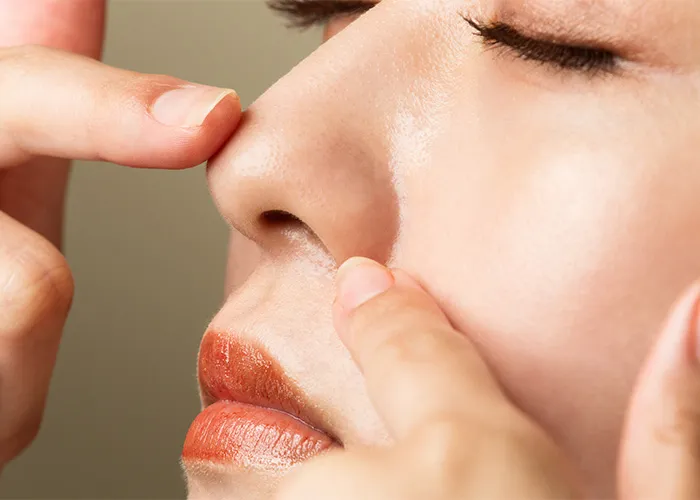
The host pointed out a spot near the front of the septum called Kiesselbach’s area, or Little’s area. Several arterial branches meet there, the blood being supplied by the branches of the internal and external carotid arteries.
It’s also near where a fingernail lands when someone picks their nose.


He said this usually causes an anterior nosebleed, which starts near the front of the nasal cavity. Dry air, irritation, and forceful nose blowing can affect the same area.
Some nosebleeds are particularly difficult to stop in hypertensive patients
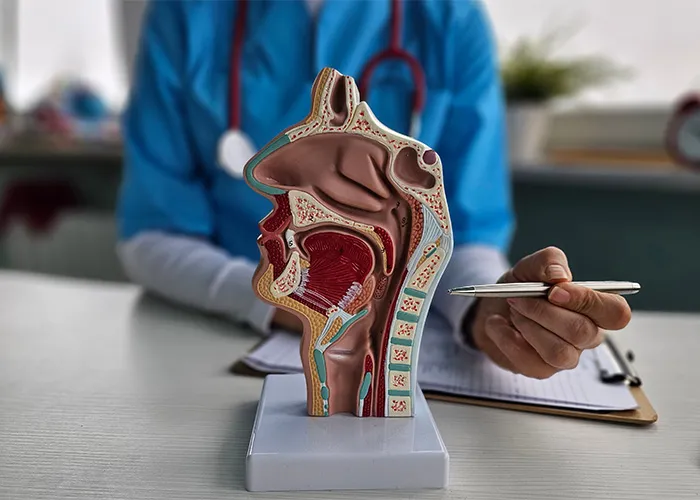
These bleedings are less frequent, but their location makes them more difficult to control. Blood may back up into the throat and pinching the front of the nose may not put pressure on the source.

He did not claim that the high pressure caused this particular bleeding. He said that’s a concern in this case, especially because uncontrolled blood pressure can make a nosebleed harder to stop.
The presenter then mentioned advanced age and medications that interfere with clotting as factors that could complicate bleeding. These include warfarin, apixaban, aspirin and clopidogrel.
The presenter explained how to properly treat and stop a nosebleed.
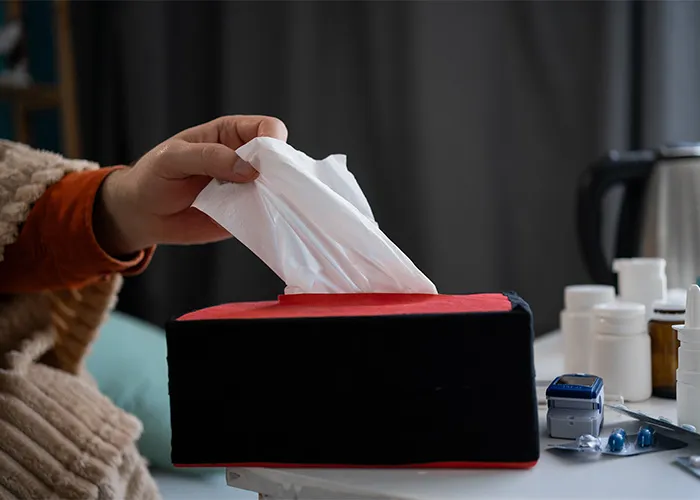
If the nose started to bleed, Jonathan recommended giving it a light tap to remove the blood and clots. He then advises sitting up straight, leaning slightly forward and pinching the soft part of the nose, just above the nostrils.
The pressure should be maintained continuously for 10 to 15 minutes. Letting go every few seconds to check gives the container less time to seal. Tilting your head back is a mistake, he explains, because blood can flow down your throat.


Guidelines from the UK National Health Service (NHS) also recommend leaning forward and maintaining pressure on the soft part of the nose for 10 to 15 minutes.
For more stubborn bleeding, Jonathan mentioned a few sprays of oxymetazoline, sold as Afrin, after the first gentle stroke and before applying pressure. He also said that soft material in the nostril could add pressure. The goal was to compress the bleeding tissue rather than simply absorb the blood.

He advised seeking medical attention if the bleeding was heavy or did not stop, or if the person felt weak or dizzy. A significant amount of blood flowing down the throat was another warning sign.
In contrast, posterior bleeding may require specialized packing or a balloon device to reach the vessel.
The video discussed the potential benefits of picking your nose

“Is it helpful to pick your nose?” » asked the video. “Sometimes,” Jonathan said.
He explained that mucus traps dust, debris and microorganisms before they enter deeper into the respiratory system. Tiny hair-like structures called cilia normally move this mucus to the back of the nose, where it can be swallowed. Near the nostrils, exposure to air can dry out some of it and turn it into a booger.
If a large piece is irritating tissue or partially blocking airflow, removing it might help. “There’s nothing inherently wrong with removing it,” Jonathan said.
The problems start when someone repeatedly scratches the inside of the nose with a fingernail and eventually damages the Kiesselbach area.
“I have almost 40 years of experience on this topic,” one viewer joked.












Gn Health