
The 2026 midterm elections caused a major political upheaval in Texas, where Democrat Gina Hinojosa defeated longtime Republican Governor Greg Abbott. For investors who follow Elon Musk’s companies, the results initially appear to introduce a layer of uncertainty.
Space exploration technologies (SPCX +8.62%)more commonly known as SpaceX, operates its Starbase rocket development and launch complex in South Texas. Meanwhile, Hinojosa has campaigned on strengthening oversight of big tech as companies rush to build data centers.
The governor-elect’s recent comments suggest the situation is more nuanced than investors initially feared. Although Hinojosa intends to pursue stricter regulation, she has explicitly expressed her desire to find common ground with Musk and his companies. Let’s take a look at why this matters for SpaceX’s long-term growth prospects.
SPCX Space exploration technologies
$134.27+$10.65 (+8.62%)
NASDAQ · At 4 p.m. ET on 06/11/26
What did Gina Hinojosa say about data centers?
During an interview with CNN on November 5, Hinojosa discussed plans to slow data center development until Texas implements stronger protections for residents. His position is not entirely new. In September, outgoing Gov. Greg Abbott ordered state environmental regulators to stop issuing new permits for data centers until the Electric Reliability Council of Texas (ERCOT) completed an audit of proposed projects.
Hinojosa simply wants to extend that pause until lawmakers establish rules on how data centers affect electricity costs, water consumption, tax incentives and local community participation. An important distinction here is that these proposed restrictions relate to the approval of new projects. There has been no confirmed statewide policy canceling previously approved data center projects or requiring the closure of existing facilities.
Hinojosa’s position is simple: The governor-elect walks the line between supporting economic development and allowing businesses to expand without additional oversight. “We have always been a pro-business state,” Hinojosa explained, adding that Texas can maintain “a strong economy and a strong industry” while introducing additional protections for residents.
Here is my interpretation of these comments: Hinojosa is not necessarily advocating the elimination of the artificial intelligence (AI) industry. It proposes different conditions under which technology companies can continue their expansion.
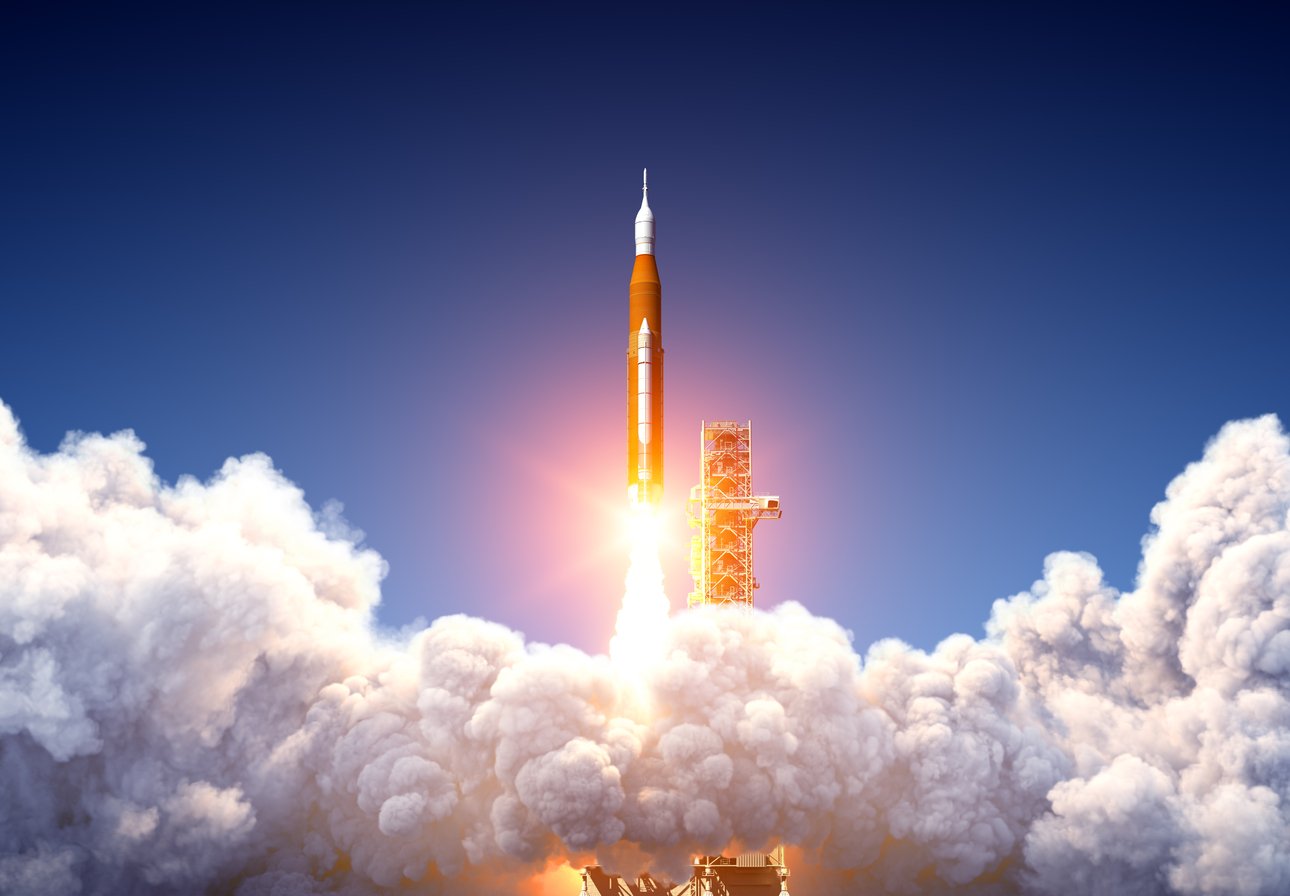
Image source: Getty Images.
Why Hinojosa’s comments are encouraging for SpaceX
SpaceX’s Starbase facility is located near Boca Chica. The reusable rocket is designed to support future satellite deployments and potentially launch data centers into orbit. Operating and expanding a facility like this requires extensive coordination with regulators.
Last month, the Federal Aviation Administration (FAA) launched a new environmental assessment of SpaceX’s Starbase expansion project. SpaceX is seeking permission to conduct up to 100 annual Starship launches and 200 landings. A later phase could eventually increase operations to 456 launches and 912 landings per year.
These numbers highlight why regulatory predictability is so important to SpaceX. Increasing launch frequency is key to improving rocket reusability and potentially reducing the cost of transporting payloads to orbit.
Hinojosa’s comments suggest she is not opposed to working with Musk’s companies. “We can have a strong working relationship with Elon Musk and his companies,” the governor-elect explained, before emphasizing that such a relationship should be “on our terms.”
SpaceX already has a huge footprint in Texas, and Hinojosa’s data center proposals do not appear to directly prohibit rocket launches. This is important because it suggests that the new administration is not seeking to hinder SpaceX’s existing operations.
Rather than outright rejecting SpaceX’s ambitions, the governor-elect appears willing to support continued industrial development while establishing a clear framework around the company’s developments and their impact on local communities.
What does all this mean for SpaceX investors?
Investors should distinguish between three issues when assessing SpaceX’s prospects under the new Texas administration.
First, the company’s Starbase operations are not automatically threatened by the proposed restrictions on data center development. Second, expanding Starship launch capacity will continue to require regulatory approvals anyway, primarily from the FAA. Finally, future state-level decisions regarding land access, infrastructure, and environmental protection could influence the cost and timing of additional developments.
These are important factors to consider, as SpaceX’s long-term investment thesis relies heavily on increasing launch frequency, improving rocket reusability, and expanding its Starlink network.
There is also an important political consideration to be aware of. Hinojosa will take office on Jan. 19, 2027, and will have to navigate a divided state legislature, with Democrats controlling the House and Republicans retaining the Senate. This means that legislative changes will require negotiations between parties.
In this context, I would not interpret Hinojosa’s victory as a definitive setback for SpaceX. His willingness to maintain working relationships with Musk’s companies suggests there is room for continued AI development, provided future projects meet the administration’s requirements.
For SpaceX investors, the most encouraging point is that Texas’ new governor is willing to walk the line between responsible expansion and development that she says imposes excessive costs on local communities. In turn, this gives SpaceX a path to continue pursuing its AI infrastructure roadmap, even in a changing political environment.
Gn bussni

