
When we think of body fat, the number on the scale or the increase in waist size often come to mind.
The research on brown fat draws attention to a different link: Patients whose scans showed this tissue had fewer recorded diagnoses of anxiety and depression.
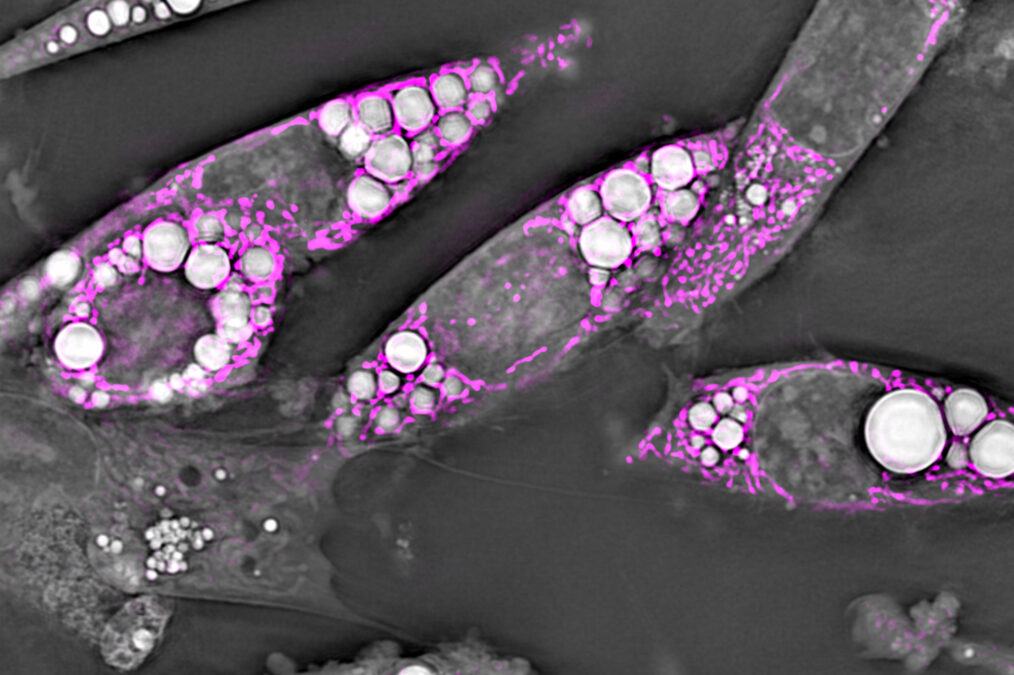
Found in areas such as the neck, near the collarbones and armpits, brown fat produces heat when activated by cold. It uses the radioactive sugar tracer used in some medical scanners, making it visible in the images.
“What surprised us most is that there are no previous studies documenting a potential link between brown fat and mood,” endocrinologist and Rockefeller University researcher Nicolás Gómez-Banoy told ScienceAlert.
The 2021 team’s research linked brown fat to lower rates of diabetes and cardiovascular disease. Following this study, covered by ScienceAlert, the researchers expanded their investigation to hundreds of diagnoses.
For research published in Naturethey examined the records of more than 100,000 patients at Memorial Sloan Kettering Cancer Center in New York. PET/CT scans performed for clinical reasons were evaluated alongside patients’ diagnoses and medication records.
The team compared patients with and without detectable brown fat based on age, gender, body mass index and outside temperature. In these matched groups, diagnoses of depressive episodes were recorded for 5.4 percent of patients with detectable brown fat and 8.2 percent of those without it. Diagnoses of anxiety disorders were also less common among patients with detectable brown fat.
The associations persisted after the analysis took into account smoking history, cancer type, cancer stage, treatment and other factors.
The researchers also wanted to know whether the amount and location of active brown fat mattered, so they used artificial intelligence.
A machine learning tool measured brown fat volume and glucose uptake in approximately 8,700 patients with detectable brown fat. Together, these measurements were used to estimate brown fat activity in six regions of the body.
Higher brown fat activity around the armpits was particularly associated with better cardiovascular and metabolic health. Psychiatric results came from the separate comparison of recorded diagnoses.
Patients with detectable brown fat also had lower blood sugar readings, including a marker reflecting longer-term blood sugar levels.
“The most plausible explanation is that patients with brown fat have an improved metabolic profile, healthier fat distribution and lower inflammatory markers,” Gómez-Banoy explained. “All of these things have been associated with better psychiatric outcomes.”
Patients taking certain SSRI class antidepressants, used to treat depression and anxiety, were less likely to have detectable brown fat. The association remained after researchers adjusted for relevant psychiatric diagnoses and was consistent with previous human research showing that these drugs can reduce brown fat activity.
The team also searched the records for drugs that could activate brown fat. Patients taking certain blood pressure medications were more likely to have detectable tissue. The researchers tested one of them, losartan, on brown fat cells grown in the laboratory and on mice.
Losartan increased brown fat activity and treated mice expended more energy. These experiments did not assess anxiety or depression.
“Given that our study is retrospective, it is important to note that these findings are associations and do not demonstrate causality,” Gómez-Banoy said.
The study involved patients at a cancer center and more than three-quarters of those in the matched groups were women. The paper also notes that tumor types and cancer treatments differed between the groups. Their influence on the results cannot be excluded despite statistical adjustments.
Gómez-Banoy said trials of medications or other methods to activate brown fat should also record whether patients’ anxiety or depression changes.
The research was published in Nature.
This article was fact-checked by Fiona MacDonald and edited by Fiona MacDonald. Although we are proud of our process, we are only human. If you spot an error, please let us know.
Gn Health

