

How Energy Drinks Affect Heart Health
Loving energy drinks a little too much could harm your heart health. A new report from the American Heart Association found that caffeinated energy drinks and supplements were linked to more serious heart disease than anything else. FOX 13’s Briona Arradondo reports.
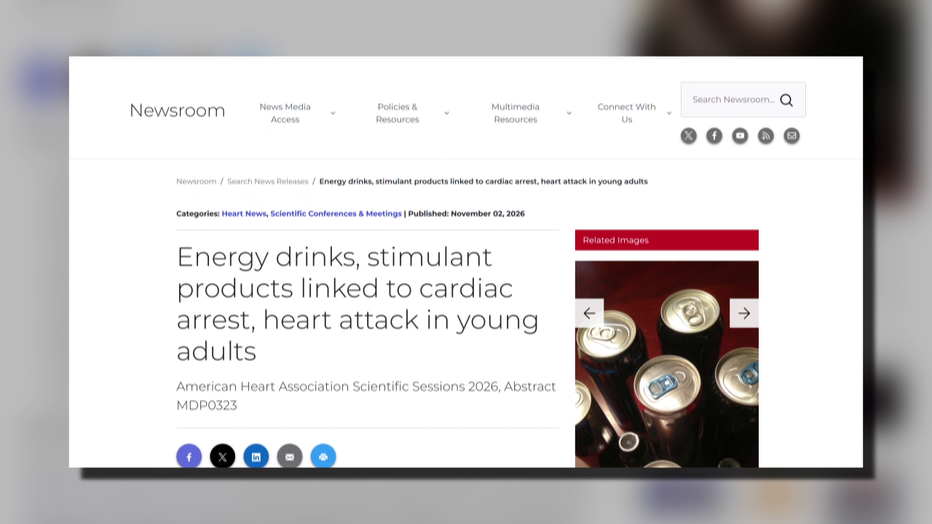
BRANDON, Florida. – A new report from the American Heart Association links caffeinated energy drinks and pre-workout supplements to serious heart disease in young adults, with federal health data linking the products to cardiac arrest and heart attacks across the country.
Heart risks of energy drinks
What we know:
A new American Heart Association analysis of Food and Drug Administration cardiovascular event reports from 2017 to 2025 found that 45 percent of incidents related to energy drinks or pre-workout supplements involved cardiac arrest and heart attacks. These serious events occurred primarily in adults aged 18 to 34.
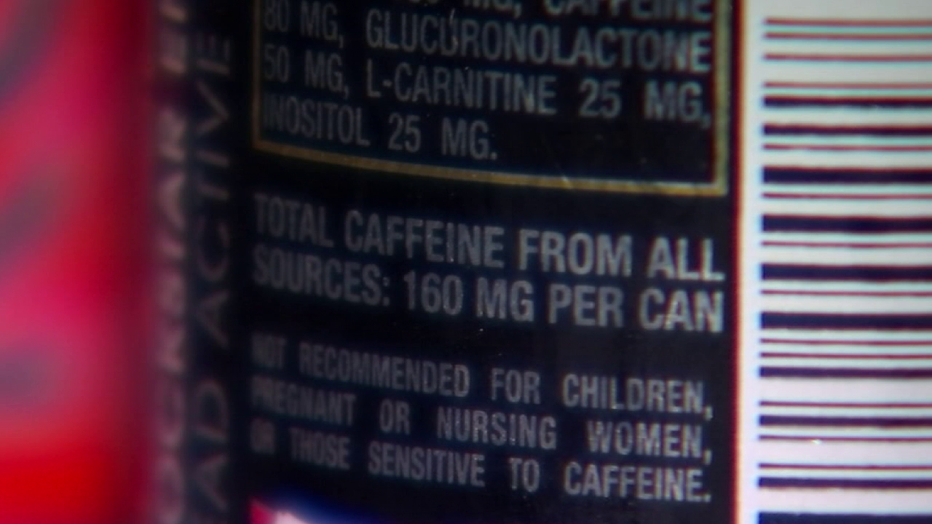
Federal health guidelines recommend healthy adults limit their daily caffeine intake to 400 milligrams, an amount roughly equal to four or five 8-ounce cups of coffee. Many popular commercial energy drinks contain between 150 and 300 milligrams of caffeine in a single can.
Dangerous levels of caffeine consumption
Why you should care:
Too much caffeine can increase blood pressure, make the heart beat faster, and trigger dehydration by acting as a diuretic.
Adults 34 and younger are more likely to regularly consume energy drinks and fitness supplements, and doctors warn they may do so without realizing they have exceeded safe drinking limits. Since everyone’s body metabolizes caffeine differently, drinking a second can can introduce physical exertion.

Brandon cardiologist evaluates results
What they say:
Dr. Abdul Saadi, an interventional cardiologist at Orlando Health in Brandon, said medical providers regularly ask patients about their daily caffeine intake.
“We regularly ask them about the use of energy drinks,” Saadi said. “How much do you drink? Do you use energy drinks? Do you drink coffee? How much coffee do you drink? So these are very typical questions that a cardiologist would ask someone who has these kinds of symptoms.”
Saadi noted that large epidemiological studies provide researchers with a critical starting point for uncovering health trends among young people.
“These epidemiological studies are sometimes beneficial in forcing us to focus more on this group of patients, you know?” Saadi said. “This could be what we call a hypothesis-generating type of study. So it would lead to other, more focused studies and trials.”
Questions about the causes of energy drinks
What we don’t know:
Cardiologists caution that current medical literature does not prove that energy drinks directly cause heart damage, although data supports a statistical link.
Researchers have not determined the exact biological threshold at which standard caffeine consumption turns into life-threatening cardiovascular distress for individual consumers.
Cardiology Scientific Sessions in Chicago
What’s next:
The American Heart Association is presenting the full research findings to medical scientists gathered at an academic conference in Chicago this weekend.
Doctors continue to monitor cardiac patients who report rapid heartbeats while encouraging the public to record their total daily caffeine intake.
The source : The information in this story was gathered by FOX 13’s Briona Arradondo from an American Heart Association study examining FDA health reports, who also conducted an interview with Dr. Abdul Saadi, an interventional cardiologist at Orlando Health in Brandon.
Gn Health

