While scientists continue to continually learn what causes autism, there is already considerable evidence linking environmental exposures to this condition, in addition to genetic factors.
In recent years, a number of environmental risk factors have been identified, and although scientists have not yet demonstrated that a specific agent causes this disease, it is imperative to continue to learn more about potentially toxic substances that appear to be linked to this disease.
One challenge in this context is that many studies measure chemical exposure by analyzing blood or urine samples, both of which provide only a short-term window – sometimes just a few hours – to identify chemicals present in the sample before their signature disappears.
In a new study published in Neurotoxicology and TeratologyScientists have found a way around this problem: analyzing children’s primary or “baby” teeth as a long-term record of the chemical exposures that accumulate as teeth form, which can preserve detectable chemical traces for decades.
“Teeth capture cumulative exposures over long periods of time, whereas blood or urine samples only show a specific window of time,” says environmental scientist and first author Lynne Heilbrun of the University of Texas at San Antonio. “We need both.”
In their pilot study, the researchers analyzed lost baby teeth donated by the families of 38 children, 22 of whom had autism, with the remaining 16 serving as controls.
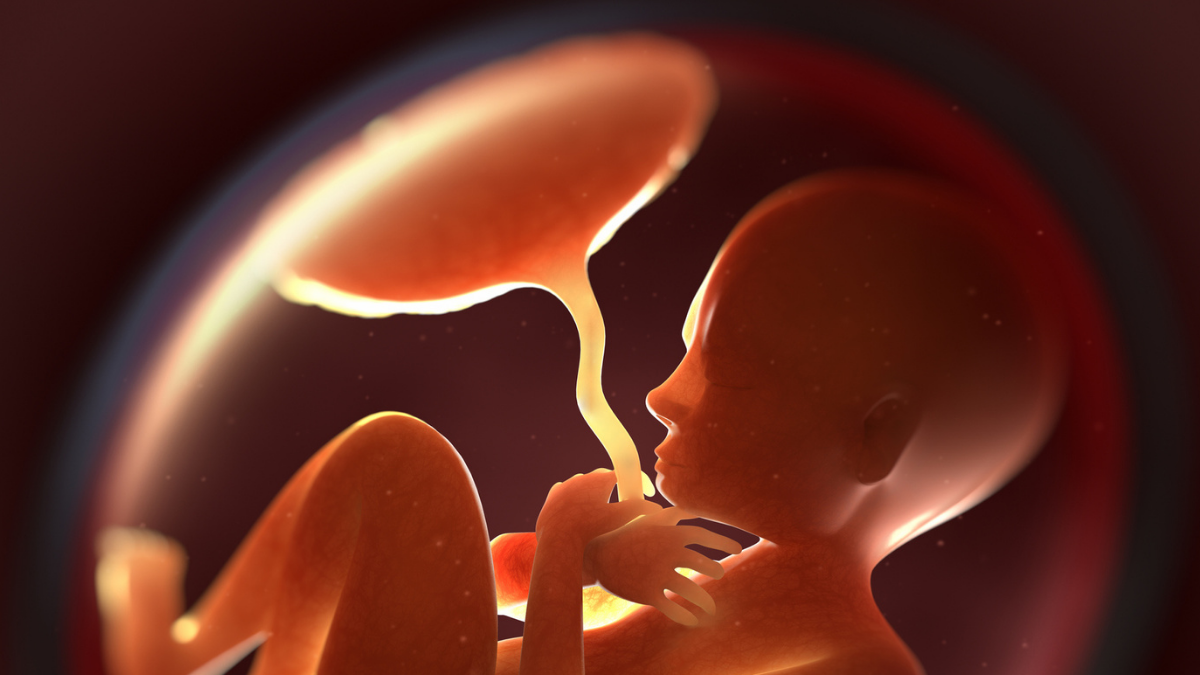
Children’s teeth, which fall out between about six and 12 years of age, primarily experience chemical exposures from the fourth fetal month – when primary teeth begin to form in the womb – until around three years of age, at which point tooth formation is complete.
“There are several critical exposure periods during pregnancy, especially during the first trimester, but it doesn’t stop there,” says Heilbrun. “The central nervous system continues to develop after birth until around age 25.”
After cleaning and preparing the donated teeth, the researchers analyzed the teeth using two-dimensional gas chromatography and time-of-flight mass spectrometry, looking for signs of chemical compounds used in pesticides, plastics, perfumes, flame retardants, and sunscreen products, among others.
On average, the results showed more than 300 toxic substances in each tooth sample, but not all toxic substances were found in every child.
Focusing their analysis on 60 compounds found in at least half of the children, the researchers found that about two-thirds (39) were known substances classified by the EPA as developmental or reproductive toxicants or endocrine disruptors.
Of these 60 compounds, the vast majority (95%) were found at higher concentrations in the teeth of autistic children, although only 19 of the detected differences ultimately exceeded statistical significance.
Some of the differences observed were dramatic, however, with one chemical – benzyl benzoate, used in personal care products, as a food additive and in treatments for lice and scabies – appearing in the autism group at a 722 percent higher concentration than in controls.
“Compounds significantly higher in cases included OPEs, benzoic acids and esters, phenylpropanes, phthalates, salicylates, ethers, aromatic ketones, and caprolactam,” the researchers explain.
“Remarkably, we detected 11 compounds in baby teeth that had previously been reported to migrate from baby bottle components… These toxicants, along with other chemicals migrating from many baby products, food contact materials, PEX tubing, and indoor furniture, were among the most frequently detected compounds in cases and controls.” »
The results do not demonstrate that any of these chemicals cause autism, and researchers acknowledge that this is only a small pilot study.
Still, the evidence is concerning, with researchers noting that many of the toxicants they identified target the brain, liver, and mitochondria.
“Our study suggests that children are chronically and repeatedly exposed to a broader range of developmental toxicants than previously identified in short-term exposure studies,” the researchers write.
“Toxic substances leaking from baby bottles, pacifiers, food packaging, and PEX water tubes expose infants during food preparation and daily use of plastic products. As pregnant and breastfeeding women increase their food and water intake, maternal exposure is likely significant.”
The authors say future studies are needed to investigate further, including more research using tooth samples, to help us better understand how these chemicals might influence autism risk in children.
“Careful avoidance of these chemicals, particularly among pregnant women and young children, should be a public health priority,” the researchers conclude.
The results are reported in Neurotoxicology and Teratology.
This article was fact-checked by Rachel Garner and edited by Rebecca Dyer. Although we are proud of our process, we are only human. If you spot an error, please let us know.
Gn Health