
Ignoring your health problems and lashing out at loved ones in anger will damage your relationships.

This woman explained that she finally had enough of her diabetic husband’s chaotic anger issues.
















Angry people tend to communicate poorly. Their anger can be a (very loud) cry for help
“These outbursts of aggression make it difficult for both partners to listen to each other, driving them further apart rather than fostering understanding. Yet it is crucial to recognize that these behaviors, while harmful, are often reflections of deeper emotional wounds,” he writes in an article on Psychology Today.
“When a partner lashes out in anger, it’s often because they feel overwhelmed by their emotions and have difficulty regulating their emotions and expressing their needs in healthy, productive ways. In many cases, this anger stems from feelings of neglect, fear, or insecurity.”
Ratson explains that angry partners are essentially asking for help in a way that is not constructive. “They are looking for comfort, respect and a feeling of being heard and valued. Even though their actions may seem hurtful and unfair, it is essential to approach the situation with compassion, recognizing the pain behind the anger.”
He argues that only by responding to anger with compassion and empathy can both partners begin to heal and move toward a more fulfilling relationship.
Jerry Deffenbacher, PhD, an anger management specialist and psychologist, notes that some people generally become angry more easily and more intensely than others. Meanwhile, others are constantly irritable and grumpy, even if they don’t show their anger loudly.
“People who get angry easily generally have what some psychologists call low frustration tolerance, which simply means that they feel that they should not be subjected to frustration, inconvenience, or annoyance. They cannot take things calmly, and they are especially furious if the situation seems unfair: for example, being corrected for a minor mistake,” the APA points out.

If you want to resolve your anger issues, you need to change your relationship with it. Use cold, hard logic
Genetic, physiological, familial, and sociocultural factors all influence a person’s vulnerability to anger.
Some ways to manage your anger include cognitive restructuring, better communication, using humor, changing your environment, and relaxation techniques. One of the main mindset shifts you may want to focus on is using cold, hard logic in angry moments to gain a more balanced perspective.
Anger won’t make you feel better and may even make you feel worse. Besides, anger won’t help anything.
“Angry people tend to demand things: fairness, appreciation, agreement, a willingness to do things their way. Everyone wants these things, and we are all hurt and disappointed when we don’t get them, but angry people demand them, and when their demands aren’t met, their disappointment turns into anger.”
In the meantime, common relaxation techniques include:
- Breathe deeply from your diaphragm instead of just your chest
- Slowly repeat calm words or phrases
- Visualize relaxing memories or imagined experiences
- Slow exercise, like yoga, to relax your muscles and calm you down
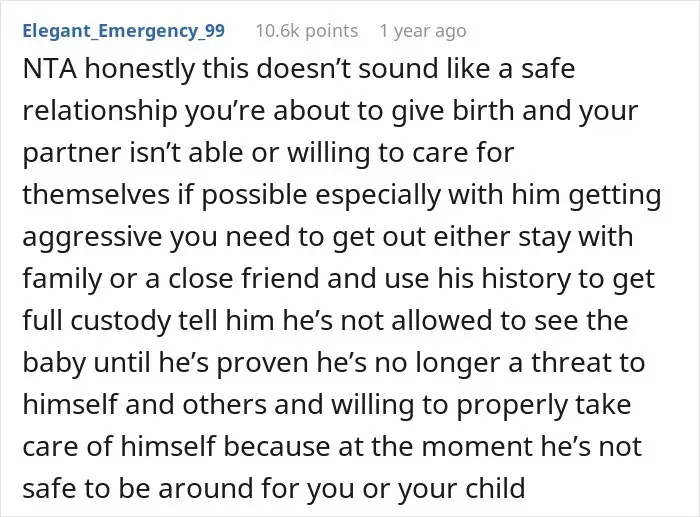
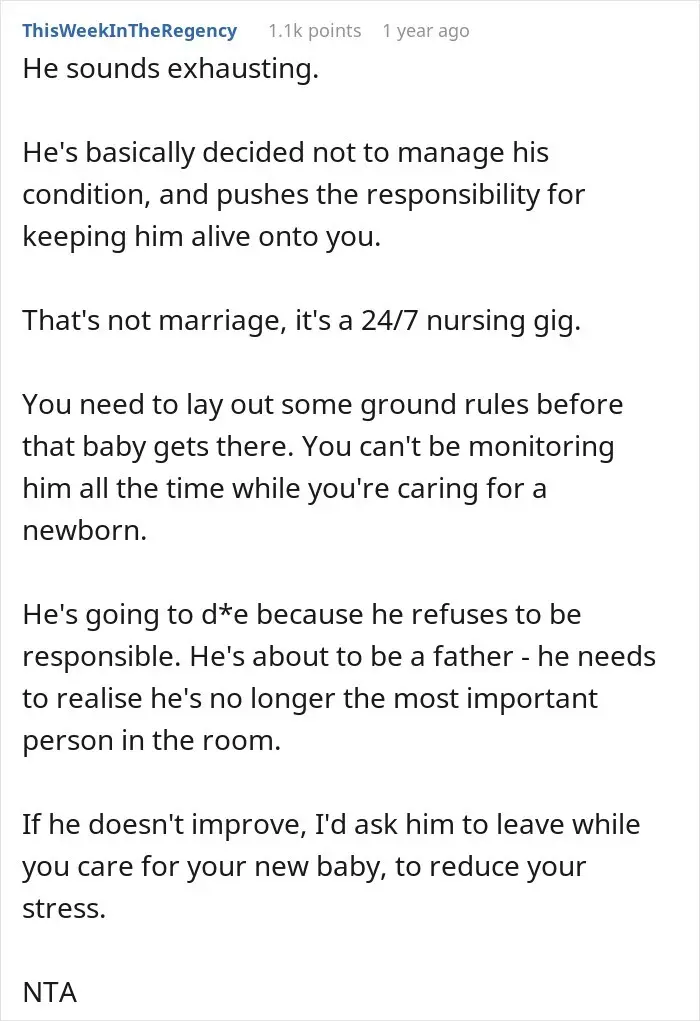
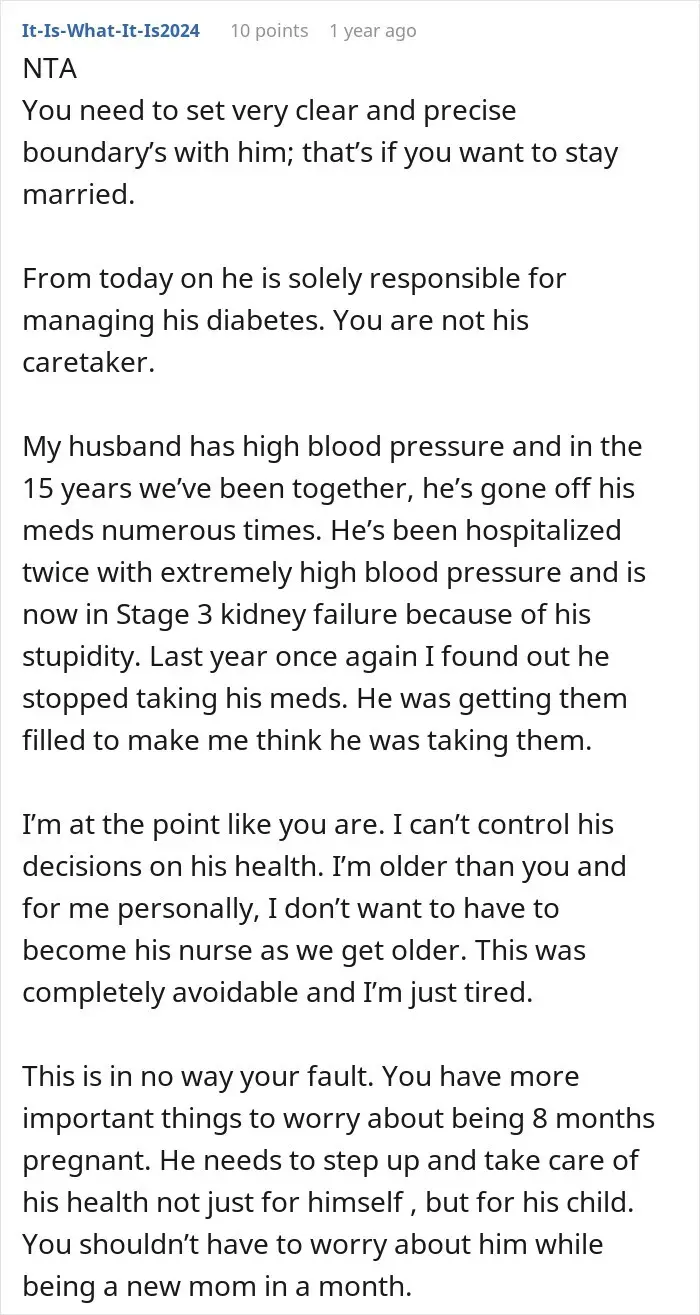
Netizens had a lot to say about this sensitive marriage drama. Here are their views and advice











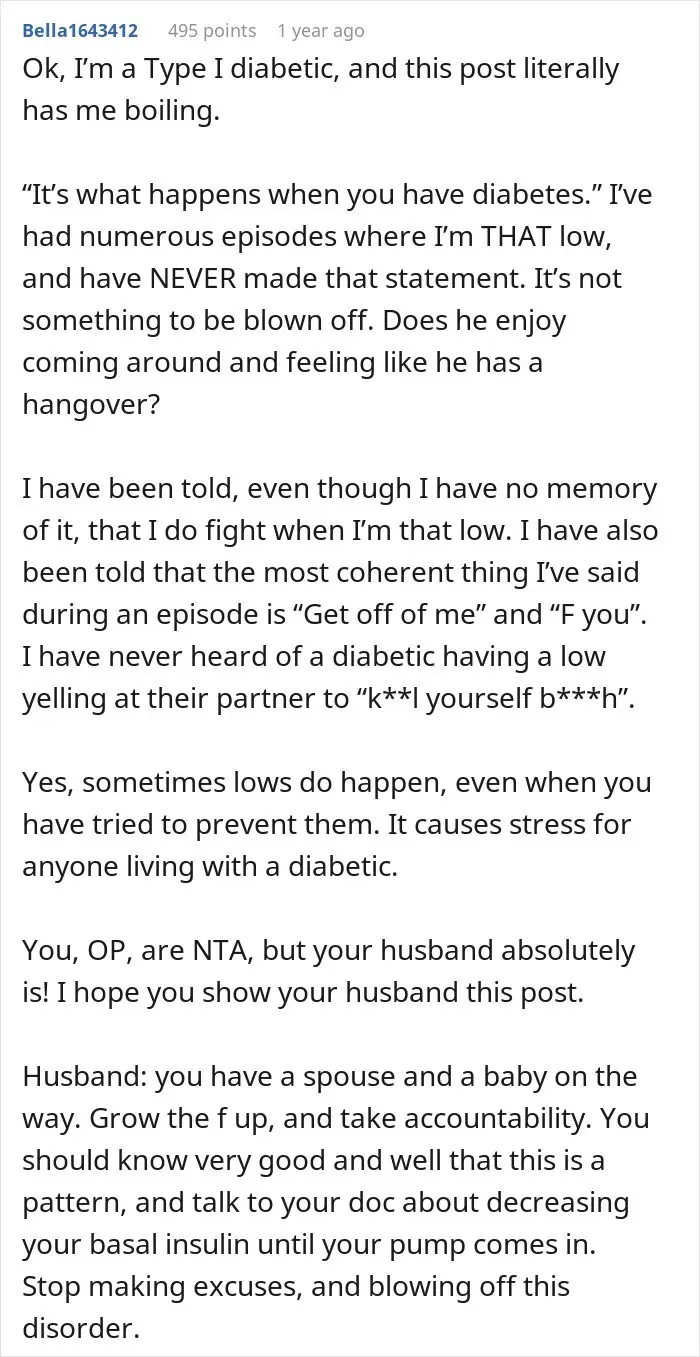
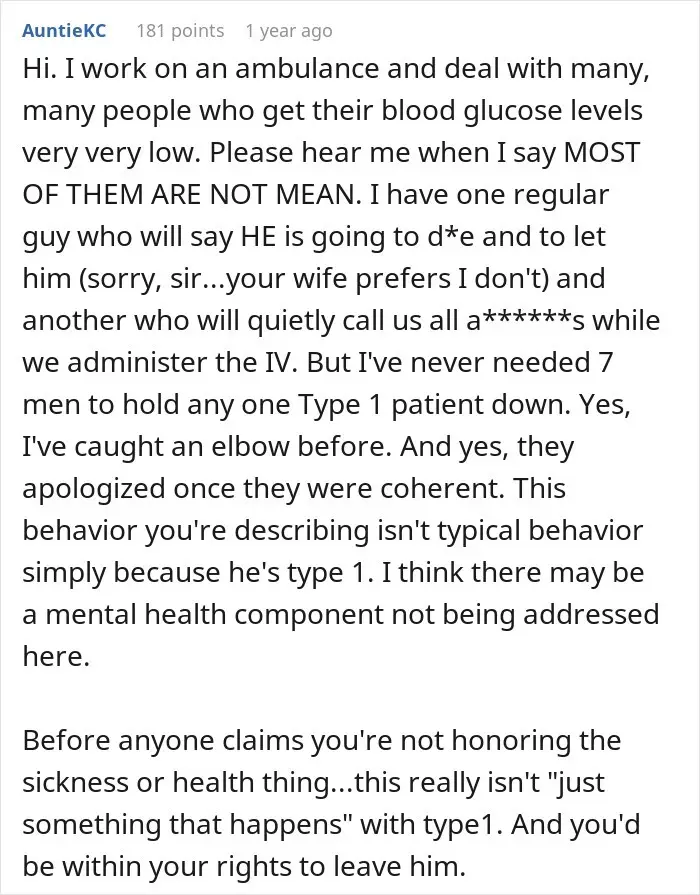
Some readers have pointed out that this is not how diabetes works







Gn Health

