
The ancient Egyptians loved cats: they appear in hieroglyphics, obelisks and other forms of art, and experts believe that cats eventually became symbols of divinity and protection in Egypt. But whether that meant the cats were being pampered might be less clear, new research suggests.
An in-depth analysis of 131 well-preserved feline skulls from Beni Hassan, an ancient Egyptian burial site, has revealed “pathologies” suggesting cats of the time lived in poor conditions. For example, more than half had signs of gum disease and “fractures, puncture marks, and healed deformities” related to infections or other illnesses, according to a paper describing the findings, published recently in the Journal of Archaeological Science. There is also evidence that cats were crowded into crowded spaces, which, if you are a cat owner or ally, is not good news.
“What struck us most was the high proportion of injuries and signs of illness, suggesting that these cats were living in poor conditions,” Bea De Cupere, study co-author and zooarchaeologist at the Royal Belgian Institute of Natural Sciences, told Phys.org. “This is not what one would expect for animals intended to become votive mummies.”
A true story
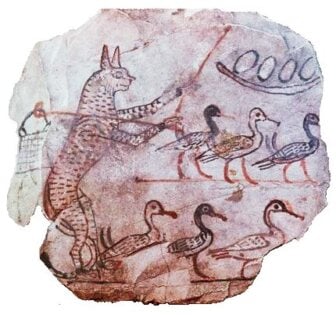
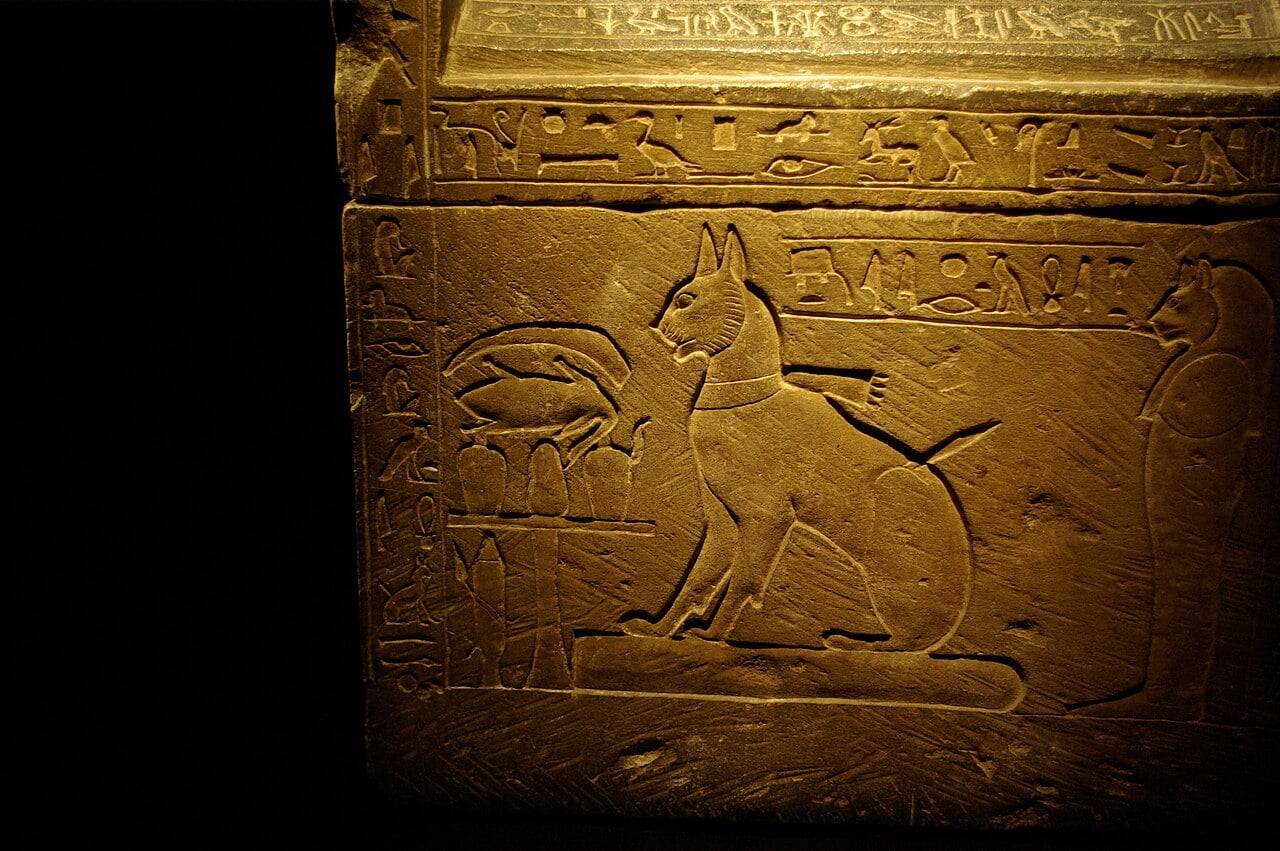
According to Julia Troche, an Egyptologist at Missouri State University, it’s “hard to say the Egyptians were thinking one thing or another, so many changes have occurred over their more than 3,000 years of history.” But the archaeological record strongly suggests that cats were important to them, she added. Mummified cats have been found in human tombs whose walls depict cats lying under chairs, chasing birds or playing.
Unfortunately, this emphasis seems to have been forgotten by people of the 19th and early 20th centuries. According to the newspaper, people at the time discovered pit deposits containing “densely packed layers of mummified cats, ten to twenty animals deep.” Here’s the wild part: At the time, animal mummies weren’t considered that important and were “repurposed as ship ballast, fertilizer, fuel or even powdered medicine,” the team explained in the journal.
It is only thanks to researchers like British biologist William A. Herdman, who salvaged a small portion of approximately 200,000 animal mummies destined for a fertilizer auction, that these precious remains have survived to this day. But Herdman recovered most of the skulls, and the rest of the body was likely thrown away, the newspaper said.
Replenish the cats
It goes without saying that science has changed since then. In addition to basic osteological analysis, researchers opted for non-invasive methods where they could, such as using X-ray scans to establish an age profile of cats at the time of death. Interestingly, 86% of the specimens in this study were adults, whereas the proportion of adults in previous studies of cat mummy deposits was generally much lower, around 20%.
As for the types of cats, there were jungle cats, domestic cats, African wild cats, and possible hybrids of these felines. Radiocarbon dating was carried out on nine of the skulls, and eight of them dated between 380 and 40 BCE, spanning the Late and Ptolemaic periods. The only exception was much earlier, during the Third Intermediate Period (around the 10th century BCE).
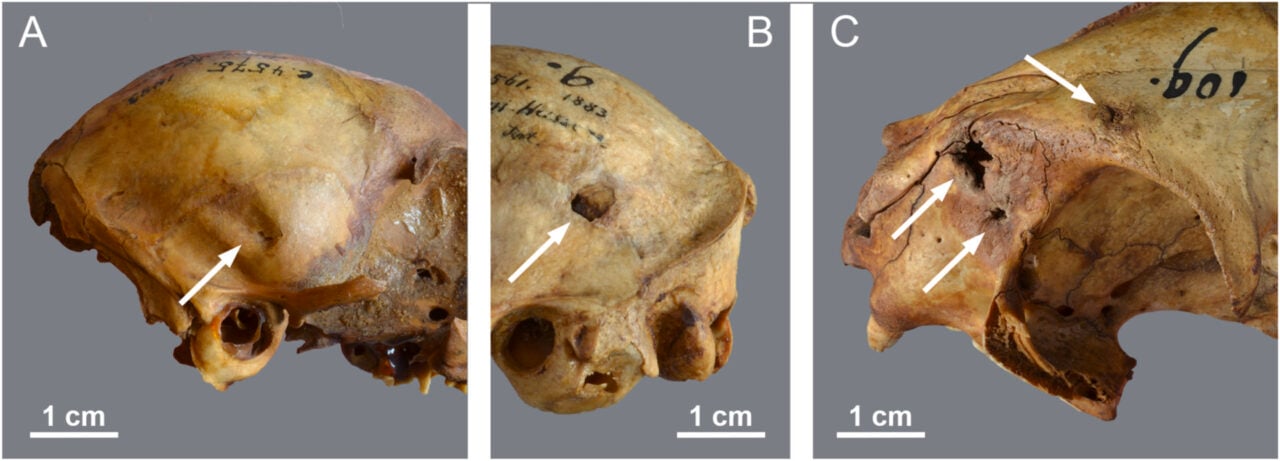
Compared to modern cats, Beni Hassan cats actually had dental problems “largely comparable to or lower than those reported” in modern wild populations, the study found. However, the skulls showed various punctures and fractures, possibly from both cats and humans. Some lesions suggested that a cat had been struck with a sharp metal object and possibly a thick wooden stick. These did not heal, which probably means that is how the cat died.
A conflictual relationship
“The intention behind these acts of violence is not always clear,” the team wrote in the newspaper. The fatal injuries could have caused the cats to die quickly before mummification. Healed wounds may be evidence that the cats survived the injury. Alternatively, a human being resorting to “disciplinary measures” could have left them, according to the newspaper. Unfortunately, the “numerous indications” of infections and metabolic diseases indicate that the cats were living in poor conditions and facing nutritional stress.
“The high density of animals would have inevitably led to stress and aggression among them, leading to injuries, while diseases could spread easily,” Wim Van Neer, first author of the study and researcher at the Royal Belgian Institute of Natural Sciences, told Phys.org.
This does not definitively mean that the Egyptians were bad cat owners. As the team noted in the paper, the investigation faced inherent limitations, primarily due to the fact that only the skulls were available. For example, a health-related diagnosis would have been much “simpler” with a nearly complete skeleton, the researchers explained. We’re also talking about thousands of years ago, so it’s entirely possible that the Egyptians did the best they could with what they had.
Gn Health

