

Want to bookmark your favorite articles and stories to read or view later? Start your independent membership today.
Join us today
Already a member? Log in
People who use air purifiers in their homes may also be unknowingly regulating their blood sugar levels, a new study from NYU Langone Health suggests.
Using air purifiers for a month helped reduce levels of harmful air pollution linked to blood sugar spikes and the development of diabetes by 36 percent, according to the study presented last month at an American Heart Association conference.
The study included 75 New Yorkers with prediabetes, a condition in which blood sugar levels are higher than normal. It was found that those who slept in rooms with machines saw an 8% drop in daily blood sugar spikes. A similar decline was also seen among study participants who ate breakfast.
Experts believe that polluting particles can enter the bloodstream, triggering inflammation leading to diabetes and increasing cardiovascular risks. The purifiers help combat this pollution and are designed to capture at least 99.97% of fine airborne particles larger than at least 0.3 micrometers.
The findings could have major implications for the 115 million Americans living with prediabetes, most of whom don’t know they have it. Prediabetes increases the risk of developing type 2 diabetes, and people with significant fluctuations in their blood sugar are at greater risk.
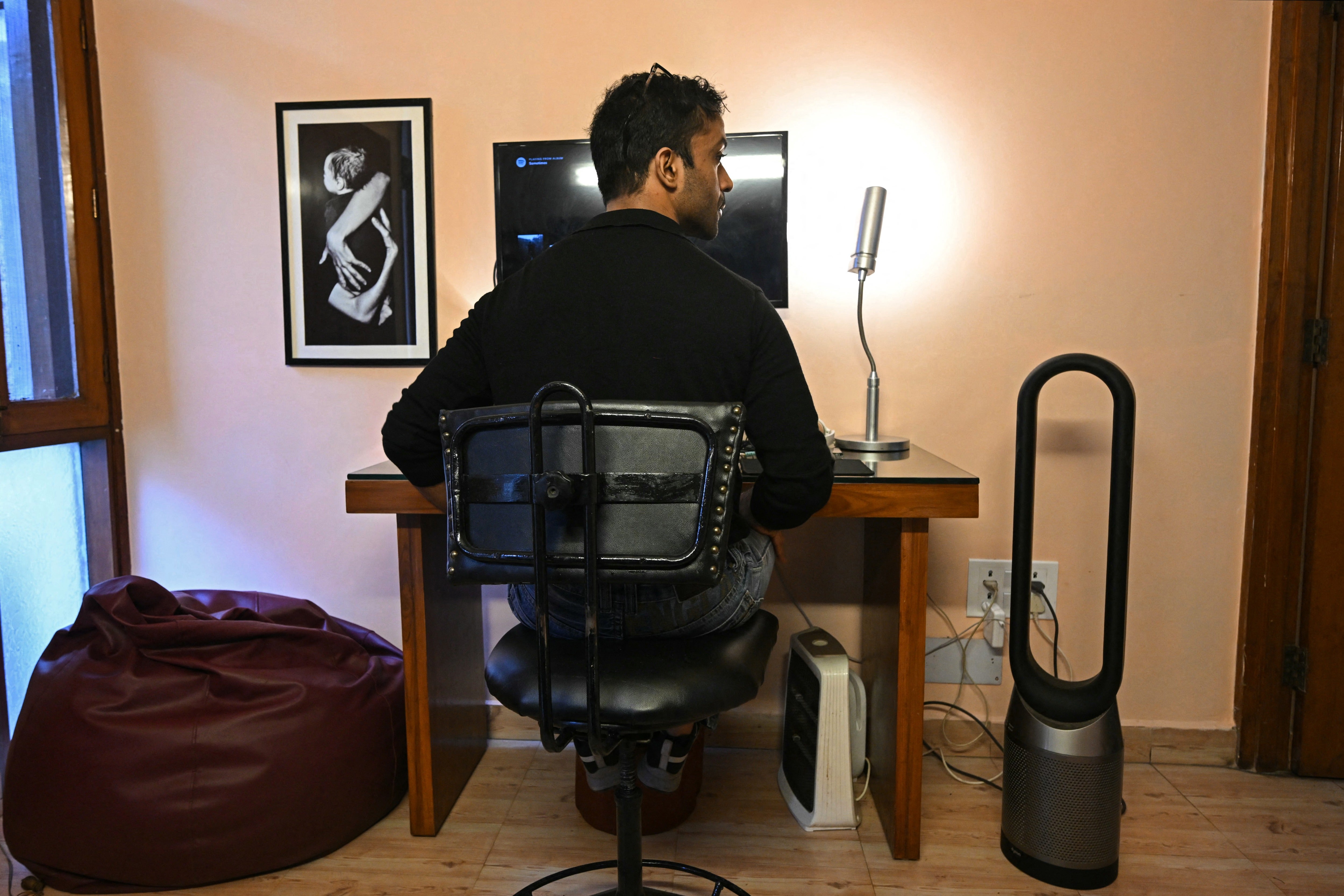
“Our findings suggest that cleaner air at home, particularly in the bedroom, may help people with prediabetes keep their blood sugar levels stable and smooth out morning spikes,” lead author Dr. Sharine Wittkopp, of the NYU Grossman School of Medicine, said in a statement. “Installing HEPA filters offers a simple, inexpensive tool to help protect heart and metabolic health as well as a healthy diet, regular physical activity and prescribed medications.”
Participants in the experiment wore sensors that monitored blood sugar levels every few minutes for a week before the test and after four weeks of using the filters. This way, researchers could track daily changes in blood sugar levels over time.
The researchers also used an AI tool that analyzed blood sugar patterns to detect when people ate and see changes over the course of breakfast.
The NYU team plans to conduct longer-term studies to determine whether air filtration can slow or stop the progression from prediabetes to diabetes and whether it can reduce the risk of heart attacks, strokes and other signs of cardiovascular-kidney-metabolic syndrome.
“Our findings add to a growing body of evidence that poor air quality poses a threat not only to lung health, but also to heart and metabolic health,” said lead author Dr. Jonathan Newman. “These findings support broader efforts to reduce air pollution and suggest that healthcare providers should consider indoor air quality when helping patients manage their cardiometabolic risk.”

Results may not apply to people who already have diabetes or live in different air quality than New York. The study also doesn’t prove that air filtration leads to improved blood sugar levels, but rather highlights the benefits of reducing air pollution.
The extent to which air pollution might contribute to increased blood sugar levels is not entirely clear. However, previous research has shown that air pollution contributes significantly to the increase in cases of diabetes worldwide. Diabetes risk occurs even at air pollution levels considered safe by the U.S. government.
Gn Health

