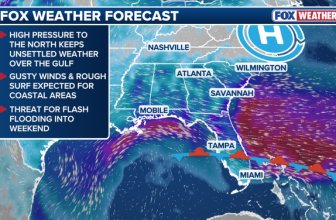
A series of fast-moving storms in the Pacific will bring torrential rain, heavy, wet mountain snow, potentially destructive waves and gusty westward winds through this week.
This is happening now
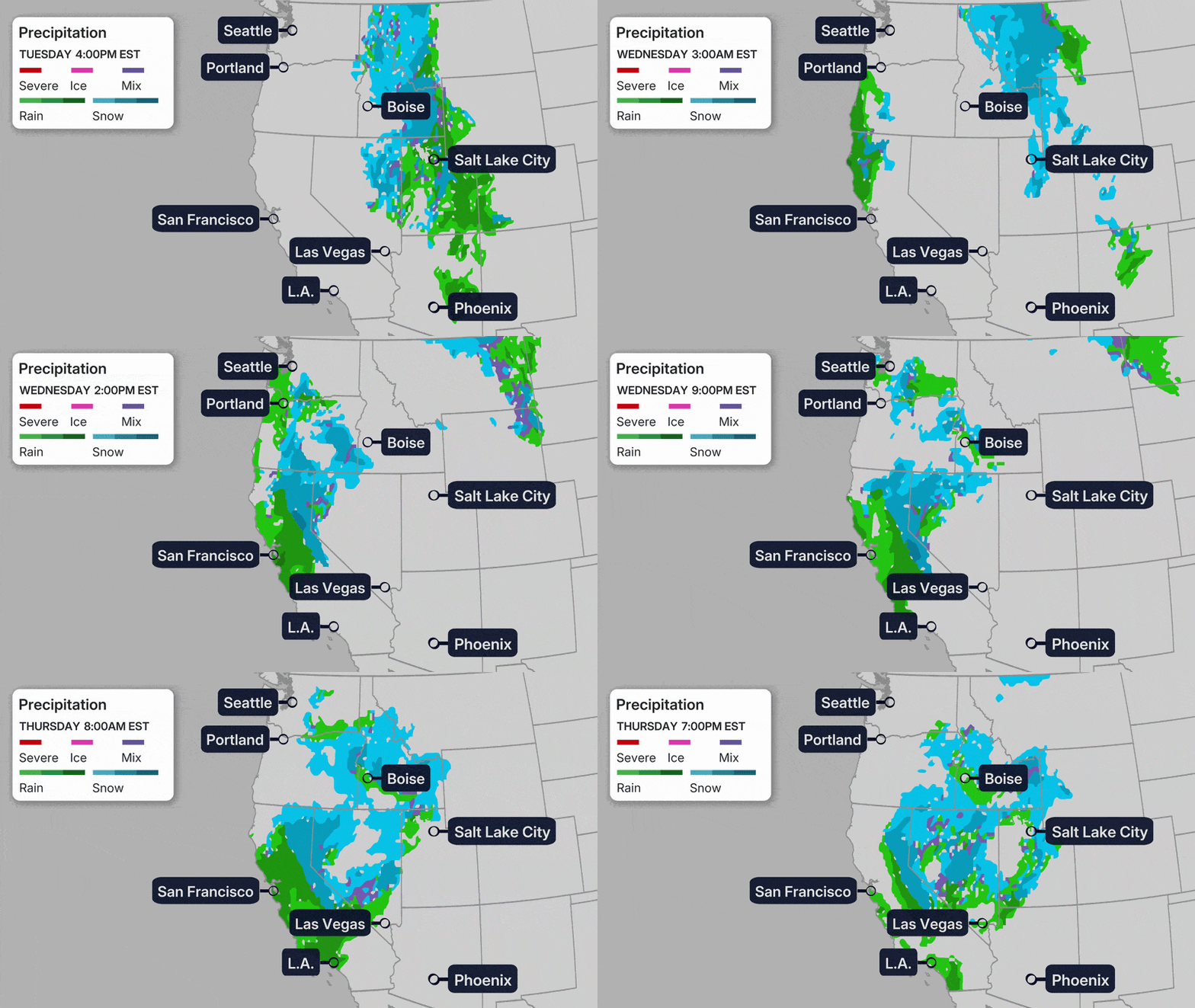
Below you will find the places where the heaviest rain and snowfall occur:
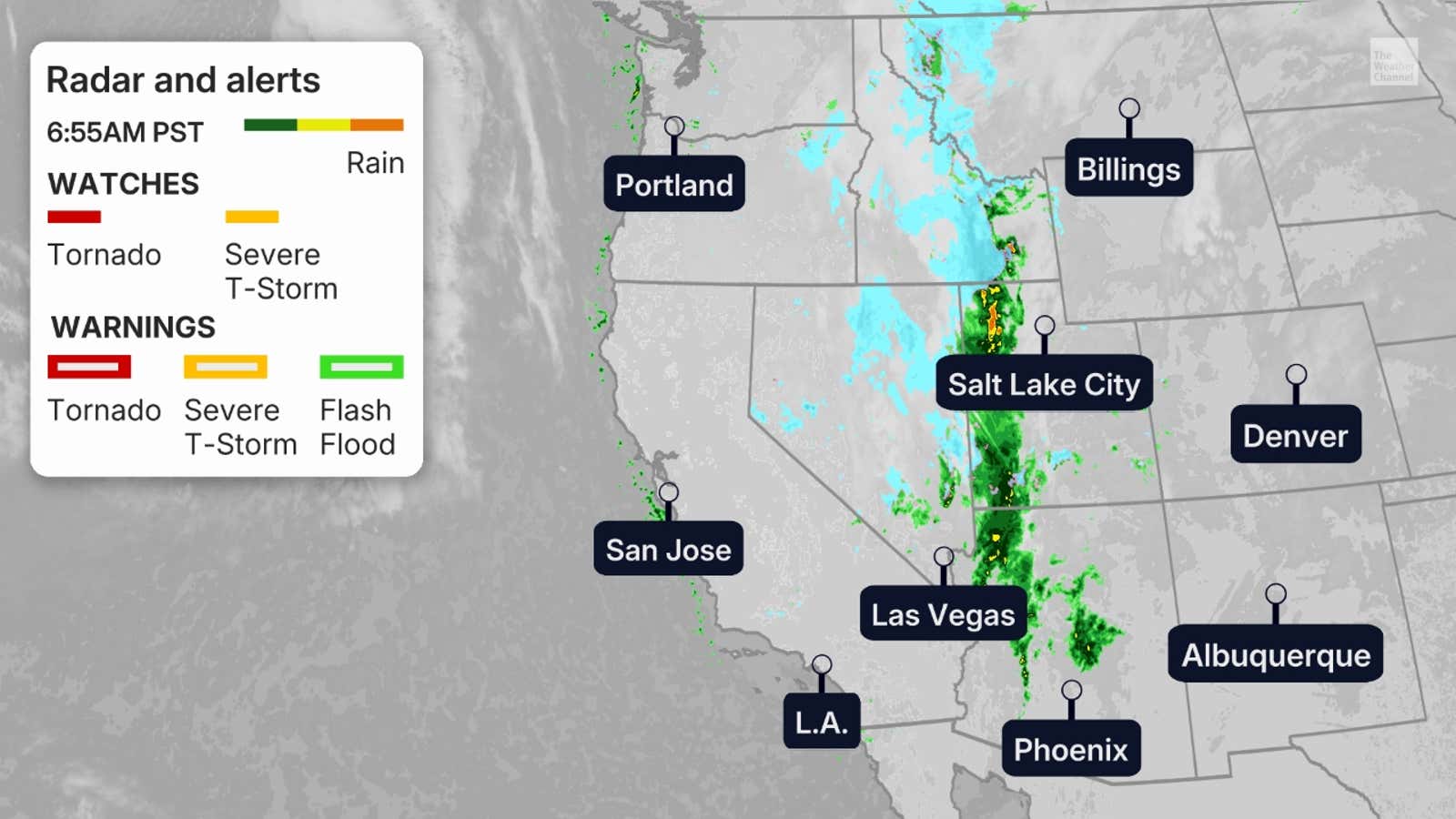
When will rain and snow come to the West?
This mountain rain and snow will arrive in waves as each of these storms moves toward the shore. Let’s break down the timing, day by day, below.

Weather in your inbox
These are subject to change, so check back with us often as these forecasts are updated:
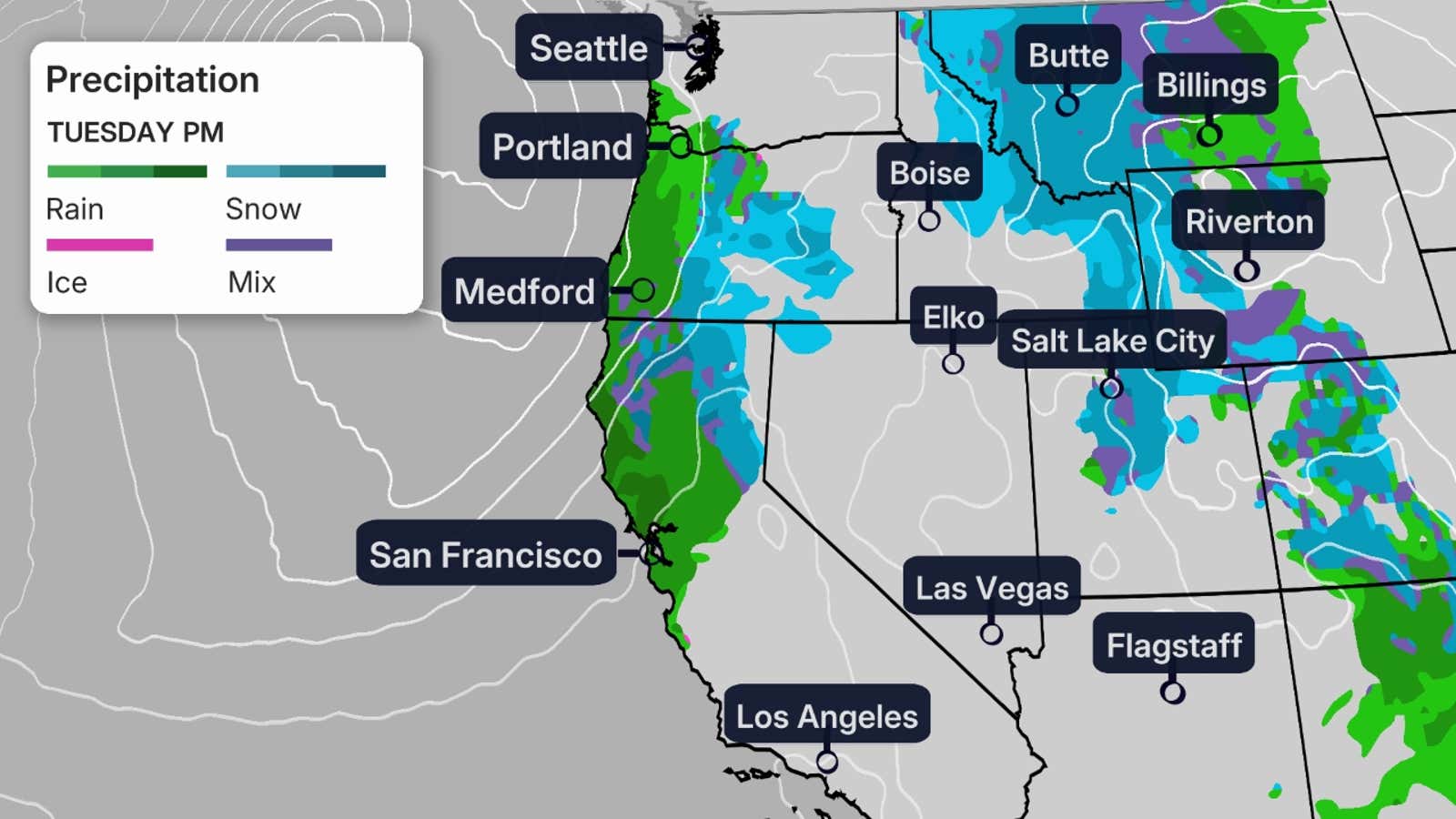
Tuesday: The series of rain and snow that began Monday will continue eastward as another storm approaches the West Coast. Grounds along the coast will be softened by the first rains from the storms, so the risk of flooding is greater than in previous days.
Mountain snow chances will also increase as cooler air sets in, so another shot of snow for the Sierra Nevada and Cascades is expected as the sun sets.
Get more of our news on Google
Set The Weather Company as your “Preferred Source” to get faster access to the news you love.

The first round of mountain rain and snow will spread from parts of the Four Corners into Montana, with rain, snow and a mix of sleet also possible.
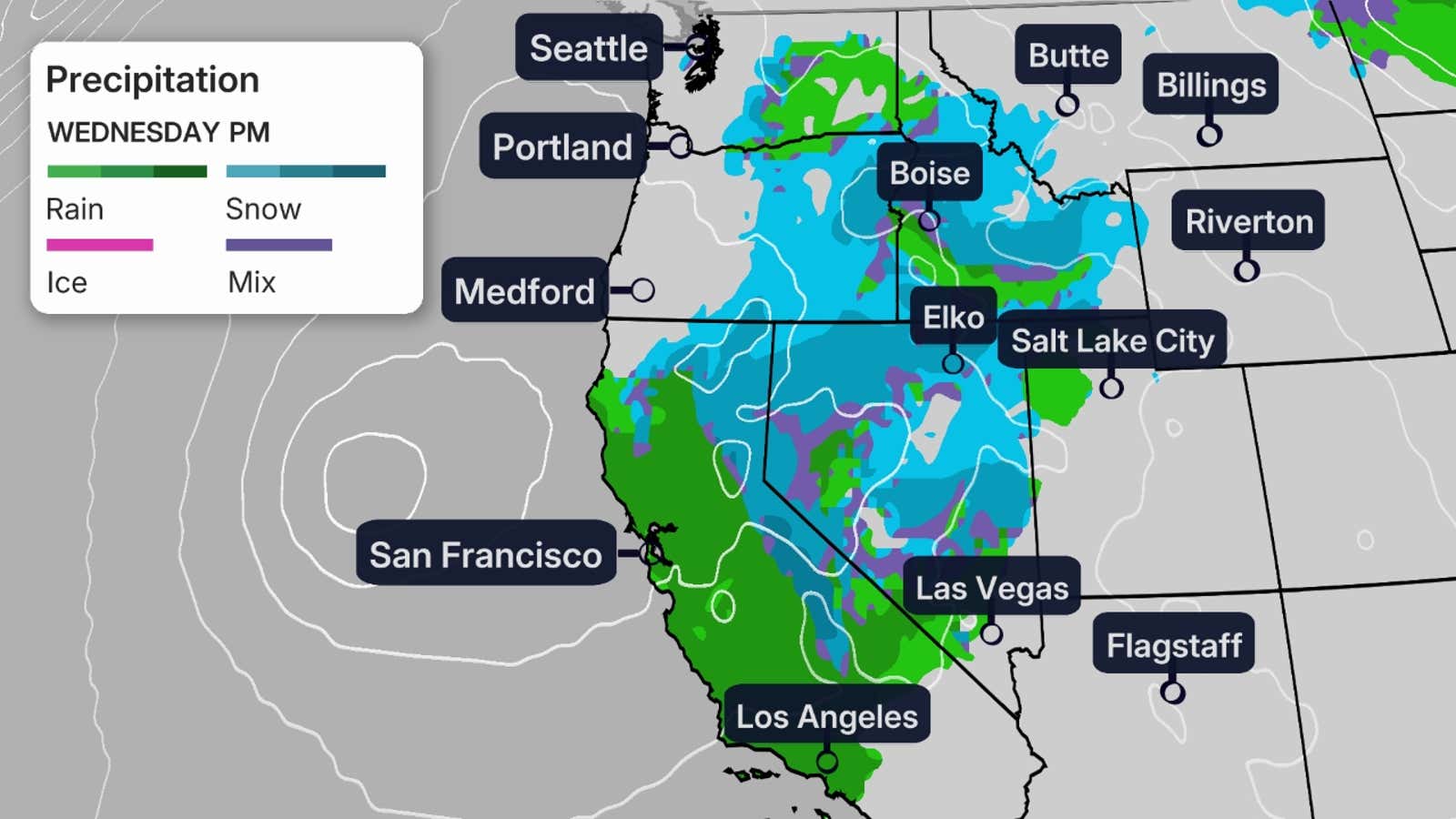
Wednesday: Most of the heavy rain and mountain snow from this next system will be focused on the Sierra Nevada.
Temperatures will remain below average, so snow levels in the mountains will be lower at higher altitudes. Snow is also expected again in the Intermountain West by the evening.
This cycle could potentially bring heavy precipitation along the California coast, where precipitation rates in excess of an inch per hour will be possible in the foothills.
How much rain and snow does it fall in the West?
Each individual storm that moves toward the coast this week may not bring significant precipitation, but the series as a whole is what concerns us most.
(MORE: When do major winter storms typically start in the United States?)
Soils don’t have much time to dry out between these storms, meaning each new round of rain could bring an increased risk of landslides and debris flows.
The highest precipitation totals are expected along the California coast, where precipitation of 3 to 6 inches is possible. Along the foothills, more than 6 inches is expected.
(MORE: Why snow differs on slopes in the Rockies, Sierra and Northeast)
For snowfall, we want to fill that snowpack. The West relies on snowpack to maintain its fresh water supply during dry seasons.
Winter storm warnings are in effect, predicting snowfall of 2 to 4 feet in the Sierra Nevada.
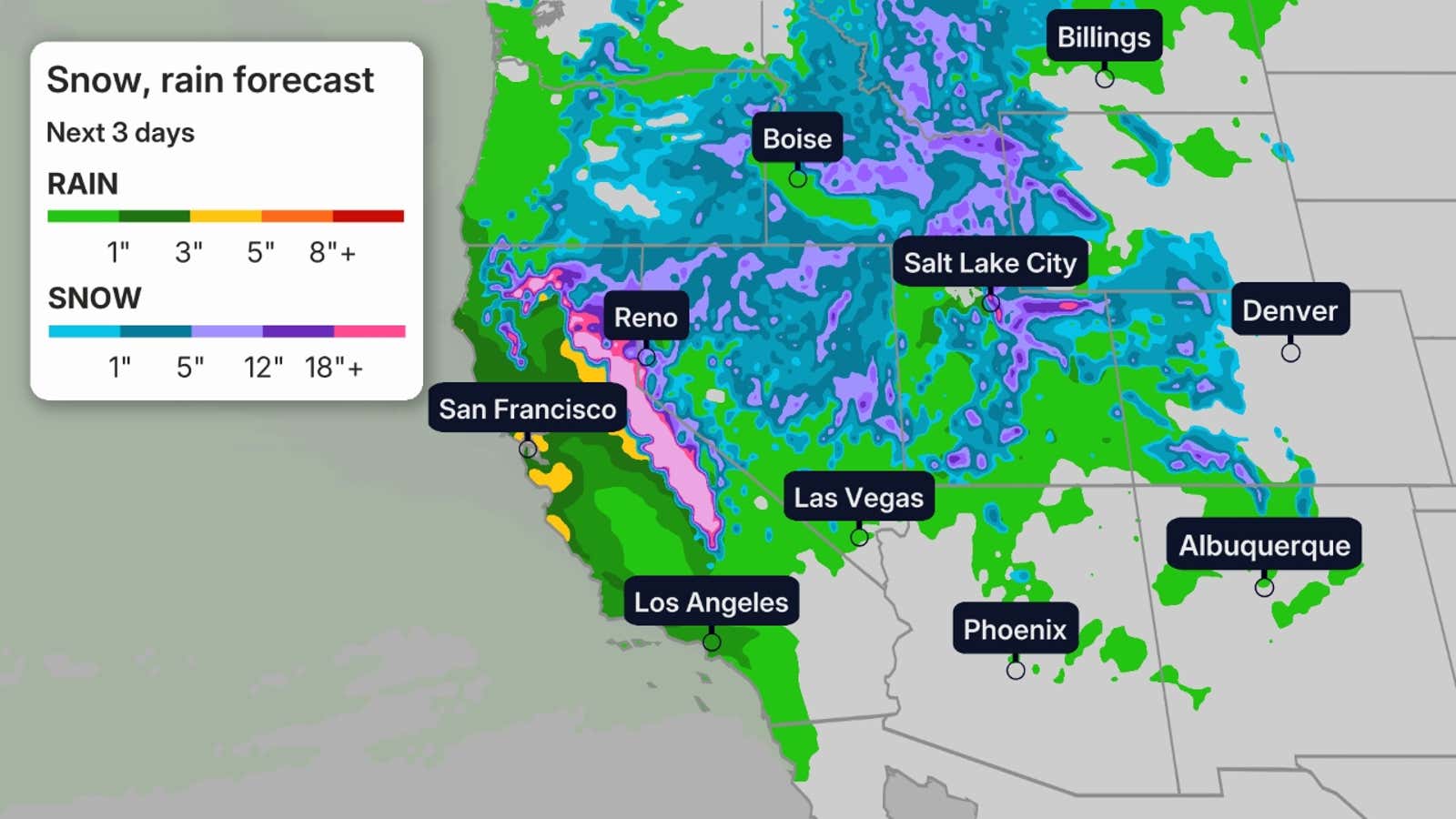
Traveling through the Sierra will be very difficult with high snowfall rates and low visibility. Strong winds will further complicate plans.
(MORE: Super El Niño nears record strength)
Jonathan Belles has been a digital meteorologist since weather.com for 10 years. His favorite climate is tropical, but he also enjoys covering high-impact weather events, breaking news and winter storms. He is a two-time graduate of Florida State University and a proud graduate of St. Petersburg College.
Gn usa