
Ford has just reached a critical milestone in the development of its Fathom electric truck. The company began manufacturing low-cost lithium iron phosphate (LFP) batteries at its $3 billion BlueOval Battery Park Michigan, located a few hours west of Detroit in Marshall, Michigan. These are production-grade LFP batteries that will first be used in Fathom prototypes before large-scale manufacturing begins next year.
The importance of the Marshall plant to Ford cannot be overstated. It is the first factory in the United States to manufacture LFP batteries for consumer home use in vehicles. LG Energy Solution also produces LFP batteries in the United States (supplying GM and Tesla), but they are dedicated to stationary energy storage systems. Ford’s 2 million square foot factory is dedicated to LFP automotive batteries.

11
Source: Ford
It has an annual production capacity of 20 gigawatt hours and can manufacture 50 batteries per hour. It is a vertically integrated factory, where materials such as raw lithium and iron phosphate powder go in one end, and fully assembled, ready-to-install battery packs come out the other. All production of anodes and cathodes, as well as key intermediate production processes, takes place inside the factory.
Alan Clarke, vice president of advanced development projects at Ford, said the company is moving quickly to bring the Fathom to market. In a relatively short period of time, he said, Ford has developed the all-new Universal Electric Vehicle Platform that will support its future electric vehicles, an all-new production system at the Louisville Assembly Plant and domestic production of LFP batteries.
“Not having a team that existed to have a battery factory, a unicast factory, a brand new, most automated vehicle production facility that Ford has ever produced in less than five years would be, I think, faster than the speed of China,” Clarke said during a media roundtable at BlueOval Battery Park Michigan on Tuesday.
Clarke worked at Tesla for 12 years, helping create the Model S, followed by development work for the Model X, Model Y, Model 3 and Cybertruck.
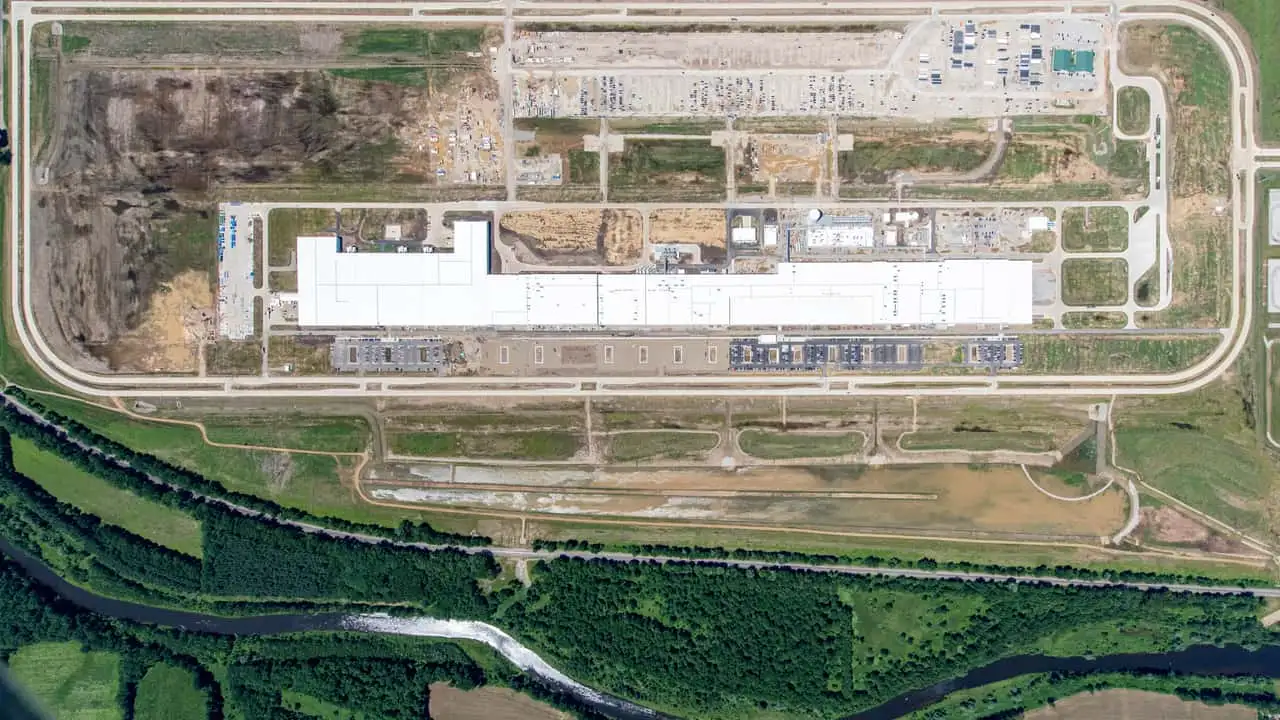
Drone Photo BlueOval Battery Park Michigan
Photo by: Ford
I visited Ford’s LFP plant this week, and I believe it is one of the most advanced and automated battery facilities in the United States. Michigan, America’s auto manufacturing center for a century, has certainly never seen anything like it in its history.
Part of the reason the facility is so cutting-edge comes from Ford’s LFP licensing agreement with China’s CATL, the world’s largest and most advanced battery maker. The United States is lagging behind China and Europe in the battery technology race. Ford is now bringing this technical know-how back to the United States, although this requires licensing the CATL technology.
More importantly, Ford officials said the new plant is fully compliant with the rules of the Inflation Reduction Act (IRA). The raw materials used here to make the batteries do not come from what the U.S. government designates as Foreign Entities of Concern (FEOC). Even though the technology comes from CATL, the critical materials do not come from U.S. FEOCs such as China, Russia, and North Korea. (China controls the vast majority of the global supply chain for critical materials.)
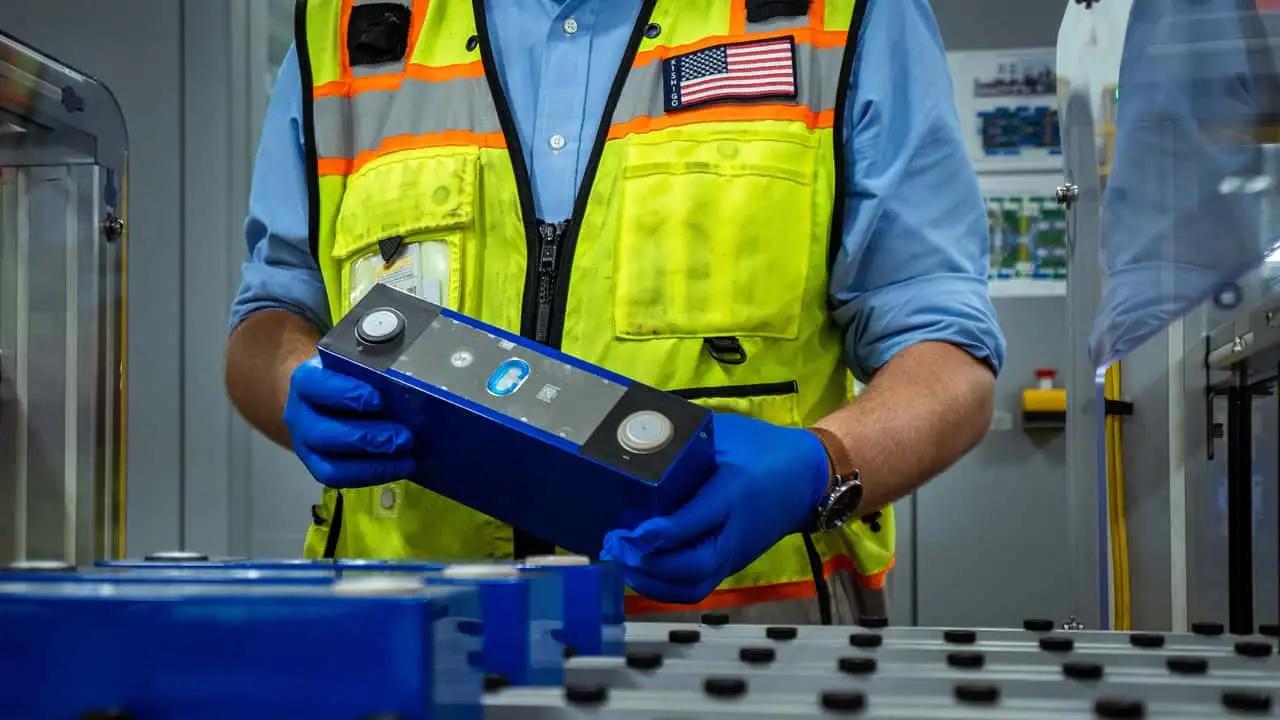
Final inspection of the Ford Fathom LFP prismatic cells.
Photo by: Ford
The factory is entirely owned and operated by Ford, but CATL engineers have helped the company implement thousands of incredibly complex production tools. They also help train workers to use high-tech equipment and install strict quality control systems to help Ford deliver the affordable electric vehicle it has long promised. The prismatic LFP cell itself is unique to Ford and does not exist in CATL’s global portfolio.
Meng Wang, director and chief engineer of battery cell industrialization at Ford, summed up the CATL partnership well. “To shorten our time to market, we decided to learn from the best,” Wang said. “Throughout the process, CATL provided essential knowledge to Ford, including equipment functions, the manufacturing process, as well as quality controls. »
Pre-orders for the Ford Fathom will begin in early 2027, with production and deliveries expected to begin by the end of next year.
Contact the author: suvrat.kothari@insideevs.com
Gn bussni