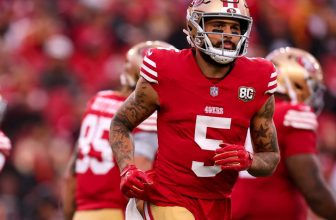
The NFL’s statement announcing the three-game suspension Rams receiver Puka Nacua did not say why. Further information provided by the league clarifies the basis for the ban.
This comes from Nacua’s entry into a “diversion program,” linked to the incident that sparked a civil lawsuit alleging (among other things) that he bit a woman on New Year’s Eve.
In September, we explained that Nacua had started the process required to complete a diversion program, which occurred without Nacua having entered into a formal agreement to do so. This is one of the unique facets of California law; namely, California gives certain defendants the opportunity to take the necessary steps to comply with a diversion program without the type of express agreement that would have automatically triggered a review under the Personal Conduct Policy.
The approach ultimately did not escape NFL scrutiny.
Nacua’s three-game suspension, along with the league’s acknowledgment that failure to “satisfy the conditions of its diversion program” will result in “additional and more substantial discipline,” means that simply beginning the compliance process, even without an express agreement with prosecutors, was enough to get the process started.
It also led to a negotiated conclusion that involved Nacua’s suspension for games he otherwise would have missed, due to his injured reserve status. While this all seems convenient at best and shady at worst, it represents the result of an agreement to resolve the situation without the full activation of a process that would have involved a formal hearing before Judge Sue L. Robinson, the person jointly appointed by the NFL and the NFL Players Association to hear the evidence and make a preliminary ruling.
Gn sports