Three years, five months and 10 days.
It’s how long Bianca Harvey has waited for a moment she feared would never come.
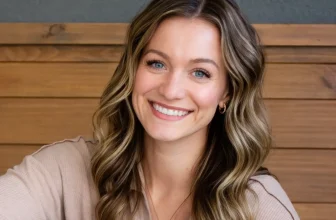
Surrounded by family, friends and the medical team who helped save her life, the Fayetteville mother left the Duke Cancer Center to ring the Sound of Hope bell, celebrating being cancer-free after a diagnosis of stage 4 colon cancer.
“One, two, three. Cancer free. I did it, y’all. Now I’m going to ring the bell for y’all. Are you all ready? Here we go,” Harvey said before ringing the bell.
For Harvey and his family, the celebration marked the end of a long and uncertain chapter that began more than three years ago.
From a devastating diagnosis to a second chance
Harvey was a competitive bodybuilder and physically active mother when she was diagnosed with stage 4 colon cancer. The diagnosis came as a shock for someone who had dedicated much of her life to health and fitness.
By the time doctors discovered the cancer, it had spread and surgery was not an option.
Her mother, Teresa Harvey, remembers being told her daughter might not survive.
“We were told that when we brought her in, they were actually planning a funeral. They didn’t think she would make it,” Teresa Harvey said.
Cancer and its treatment have had devastating physical consequences.
“She said, ‘Mom, I’m so skinny. I can’t even walk.’ I said, ‘It doesn’t matter because guess what? I’m on one side and your dad is on the other, so let’s go,” Teresa recalled.
Harvey’s family refused to give up hope.
How clinical trials changed its future
At Duke Health, Harvey began working with Dr. Nicholas DeVito, a medical oncologist specializing in gastrointestinal cancers.
With surgery not an option, DeVito turned to clinical trials, which allow patients to receive experimental treatments while helping researchers evaluate new approaches to fighting cancer.
Harvey enrolled in her first clinical trial, but after about a year, the treatment stopped working.
DeVito found another option.
A second clinical trial proved successful, producing a dramatic response to treatment. Harvey’s tumors began to shrink and eventually, scans showed no visible evidence of cancer.
His mother remembers how DeVito described the response.
“When I think of Dr. D’s words, it was like an orange that had just died from the inside. And when they went to do the scan, she was no longer there,” Teresa said.
Harvey credits DeVito’s determination with helping her reach a milestone that once seemed impossible.
“He fought for me from the very beginning. And when I thought there was no solution, Dr. DeVito already came up with a plan,” she told the crowd gathered for her ringing ceremony.
Harvey explained why she trusts his recommendations.
“That’s his field, that’s his specialty. So I just believed in him. I believed in him and I believed in God.”
A breakthrough offering hope to others
For DeVito, Harvey’s answer represents the kind of progress he hopes researchers can make available to more patients.
“I want this to become the norm. I want people to come in with stage four colon cancer and we have answers about them. And let’s not just say it’s chemotherapy forever,” DeVito said.
Harvey said the decision to participate in an experimental treatment was initially scary.
“At first we were a little afraid to try the trial treatments, but these trial treatments are actually the way to go,” she said.
Her experience has made her an advocate for clinical research, and she hopes other patients will ask their doctors about available treatment options.
A story that began with “Diagnosis: Young”
Harvey first shared his cancer journey with WRAL in the 2025 documentary Diagnosis: Youngwhich examined the worrying increase in cancer diagnoses among young adults.
The documentary explores why cancers historically associated with older patients are increasingly being diagnosed in people under 50, including colorectal cancer.
At the time, she was still undergoing treatment and hoped to have the opportunity to one day celebrate being free from cancer.
Looking back, Harvey remembers watching the documentary and wondering if she would ever achieve the same result as some of the other patients featured.
“Every time we made this documentary, I remember thinking, ‘Dang, I’m the only one who still has cancer. Everyone’s cured.’ And now I come, you know, this is the happy ending of it all. So everyone can see it too,” Harvey said.
Watch the WRAL documentary Diagnosis: Young to learn more about Harvey’s story and the rise in cancer diagnoses among young adults.
Gn Health