Want to bookmark your favorite articles and stories to read or view later? Start your independent membership today.
Join us today
Already a member? Log in
TThe good news for Howard Lutnick and Jensen Huang is that Republicans will be holding the gavels when they testify before Congress over the next two weeks. The bad news is that Republicans also have a lot of questions for them, and Democrats are expected to pick up the duo as soon as January.
But Donald Trump’s Commerce Secretary and the CEO of recently bailed-out Nvidia will first appear before members of Congress as protected members of the president’s inner circle: one as a barely tolerated longtime Trump ally at the center of the Nvidia scandal that coughed up millions of dollars for Trump’s library, and the other as a disgraced tech executive whom Trump helped become one of the most powerful chipmakers of the planet.
Huang is scheduled to testify behind closed doors before a group of House committees on December 1. Nvidia’s general counsel, Tim Teter, is also scheduled to testify before the same committees on December 2.
Huang is scheduled to testify publicly before the Senate Banking Committee on Dec. 3 for a hearing titled “Protecting the U.S. AI Advantage: Oversight of U.S. Export Controls.” He is the only witness.
Lutnick is next scheduled to testify before the same committee on December 10.
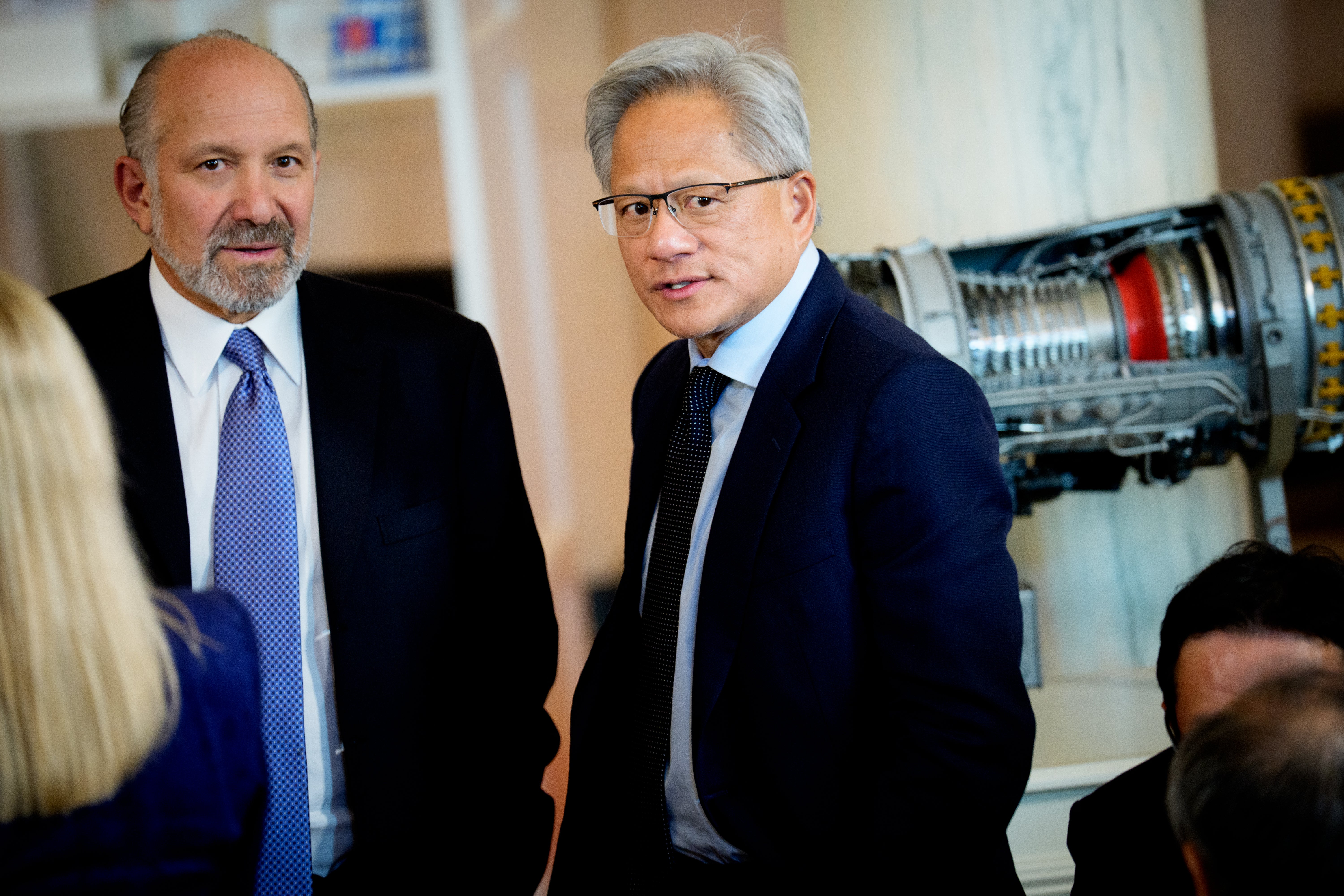
Their testimony will likely only scratch the surface. Company employees and little-known figures within the administration and elsewhere are also expected to prepare to testify in the coming months and begin sharing communications, emails, calendars and text messages with lawmakers eager to dig into Nvidia’s archives and learn more about Huang’s relationship with an alleged Chinese spy and the sale of Nvidia chips to China.
Democratic Senators Elizabeth Warren and Chris Coons have already sent letters to Lutnick, the State Department and the White House, ordering officials to preserve their records ahead of planned investigations when Democrats take control of both chambers of Congress next year.
Who knew about Huang’s adventures and when?
The salaciousness grabs the headlines, but Congress is eager to know whether the president and other top administration officials as well as Nvidia’s board knew about Huang’s relationship with Alice Huang (no relation) and exactly what he shared with her.
Can the government be sure that Jensen Huang, or administration officials or the president, for that matter, were not blackmailed by the Chinese government?
Alice Huang is a former executive at Megaspeed, the Singapore-based company accused of diverting Nvidia chips to China in violation of U.S. trade restrictions. She reportedly left the company last year, but her relationship with Nvidia’s CEO put them at the center of a scandal with major implications for the international AI arms race and for a volatile U.S. economy that relies heavily on it.
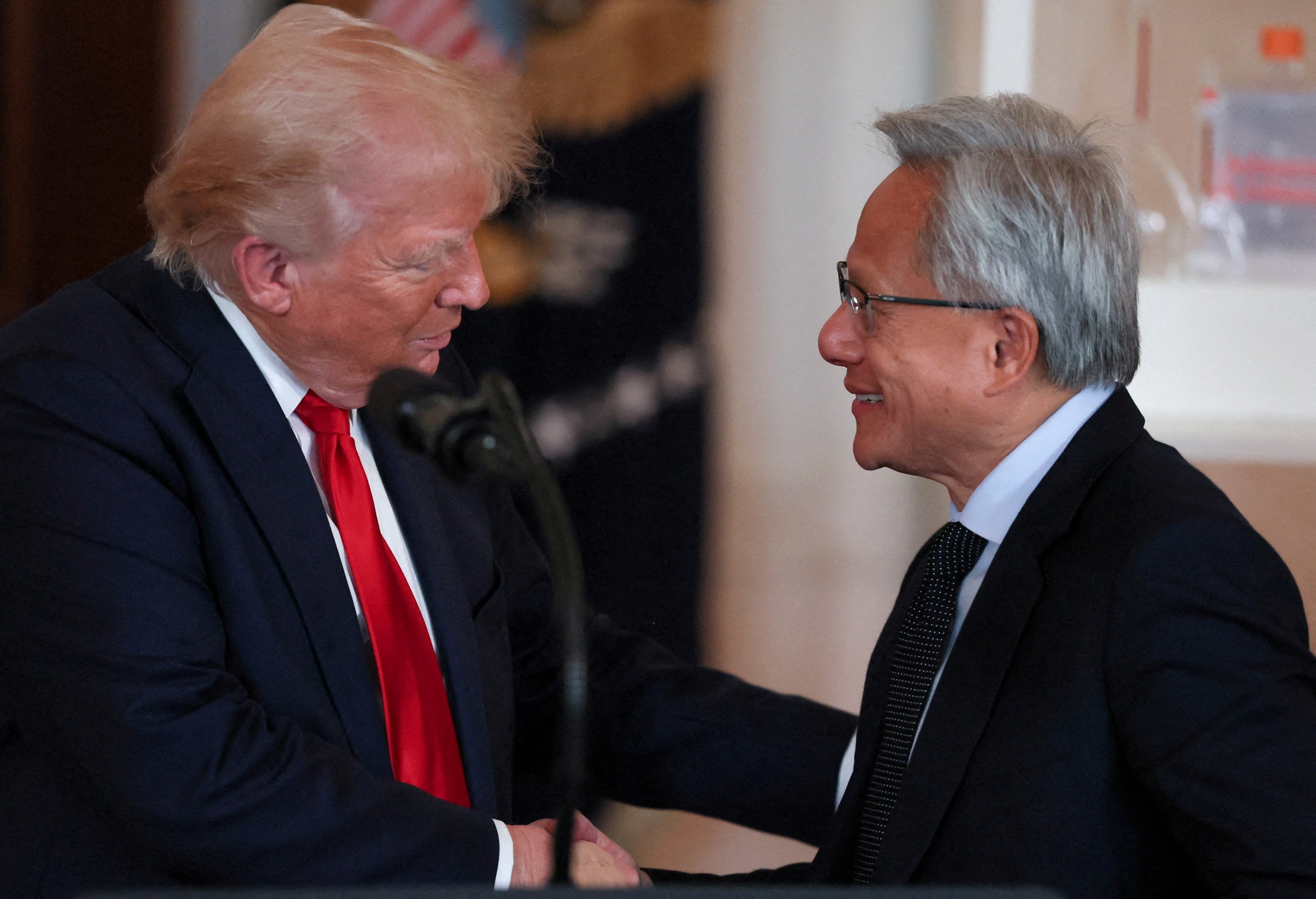
If intelligence officials were warning those close to Trump more than a year ago, why was Huang never given a defensive briefing, and why did the administration continue to approve chip sales to China? What did Huang say to Trump when they met several times at high-profile events over the last year?
What was Lutnick doing?
Lutnick’s Commerce Department reportedly investigated Megapseed last year. Teter, Nvidia’s general counsel, reportedly contacted investigators after getting permission from one of Lutnick’s deputies. The Justice Department then took control of the investigation.
Treasury Secretary Scott Bessent told CNBC this month that his agency, the Defense Department and others all wanted Megaspeed blacklisted because of the risks of misappropriation of advanced hardware, “but Commerce has the pen.” The trade did not move until November 23.
Lutnick reportedly tried to lift restrictions on Megaspeed out of fear of escalating trade frictions with China, but Rep. Jamie Raskin, the new chairman of the powerful House Judiciary Committee, alleged that Lutnick and other administration officials had converging and overlapping personal, political and financial interests implicating the success of Huang and Nvidia.
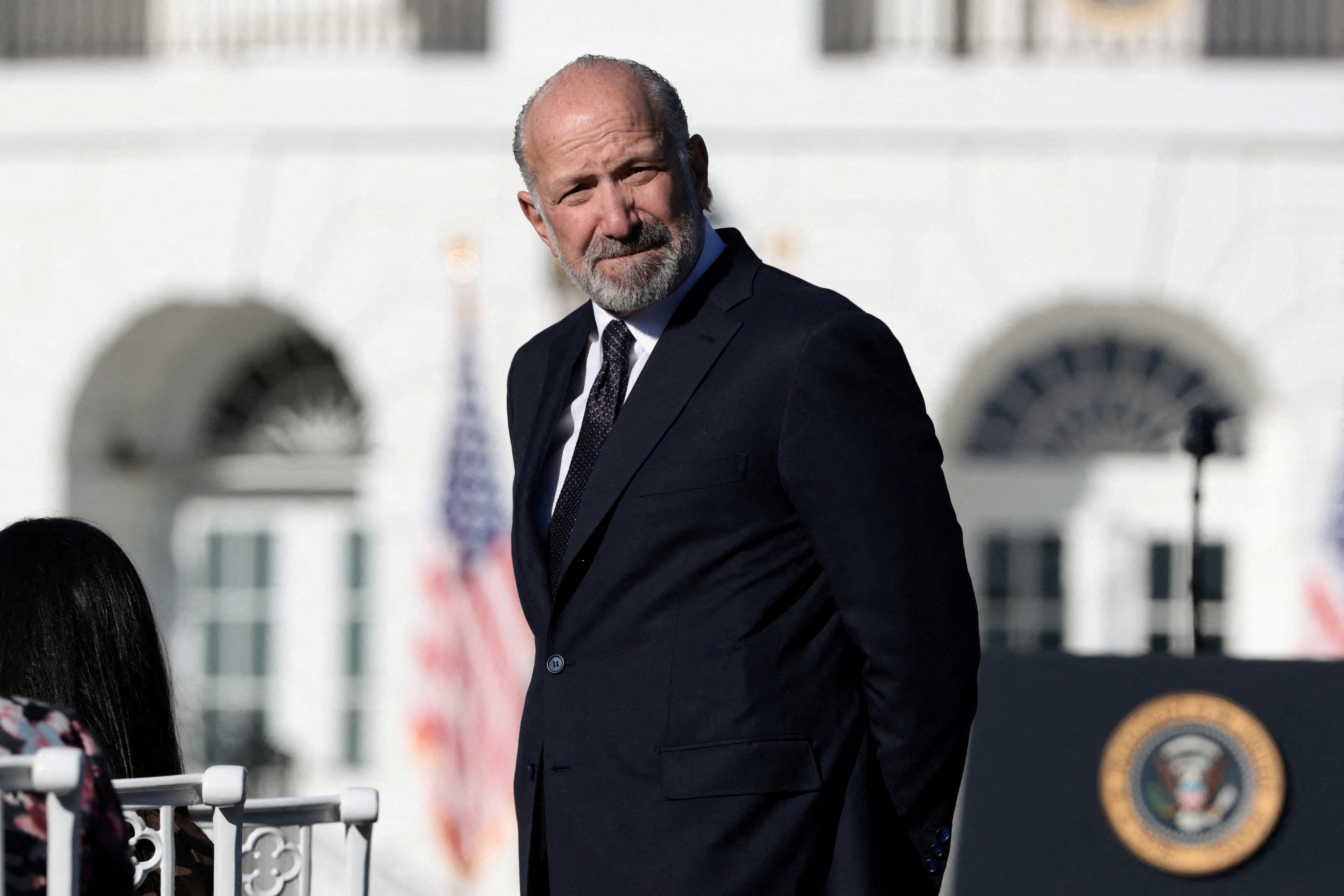
How did Lutnick’s relationship with Nvidia and Nvidia’s relationship with Megaspeed influence either company’s decision-making as well as the internal workings of the federal government?
Republican Sen. Dave McCormick of Pennsylvania, a member of the Banking Committee, said lawmakers needed more information about Nvidia’s compliance with export restrictions.
“Congress needs answers about whether laws were broken, whether national security was compromised, and whether existing export controls were circumvented,” he wrote this week.
How did Trump bring Huang back to Nvidia?
By Trump’s own admission, the president’s blatant intervention to save Jensen Huang from exile after his resignation from Nvidia relied on advice from the Justice Department and his former criminal lawyer Todd Blanche, now the U.S. attorney general.
Trump saying Blanche “confirmed that the U.S. government has no evidence that he engaged in illegal conduct.” Nvidia’s press release also claimed that the decision was based on “input from senior levels of the U.S. government.”
The president then declared that the company’s CEO was “exonerated.” But Blanche declined to say whether the Justice Department had ever investigated Huang or whether it believed Nvidia had violated export controls.
“What promises were made to turn the situation around? » asked Democratic Senator Lisa Blunt Rochester this week. “How can this administration prove that there is no risk to national security?
Sen. Andy Kim, another Democrat on the banking committee, also shared reports that Trump may have made as much as $15 million on Nvidia stock after tech stocks rallied with news of Huang’s return as CEO.
“We hear the president’s motivations loud and clear,” Kim wrote.
Gn bussni