Weight gain in humans, mice and, presumably, beings like sea sponges, is a complex confluence of genetics, environment and diet.
So it’s no wonder that keto diets have grown in popularity because they offer a simple plan for losing fat: eat fatty foods and limit carbs.
How much protein? Who knows.
In clinical settings, keto diets containing almost only fat have been used to treat conditions such as seizures and obesity.
Still, previous studies on the familiar keto diet have yielded varying results, leaving its overall effects inconclusive for everyday people looking to lose weight without giving up cheese.
In an even more puzzling result, seemingly identical mice responded to the same keto diets in diametrically opposite ways, according to a recent study.
So scientists now have a reason to explain the inconsistent effects of keto diets: a low-protein diet stresses the liver, leading to a release of appetite-suppressing hormones – but it all depends on each individual’s genes.
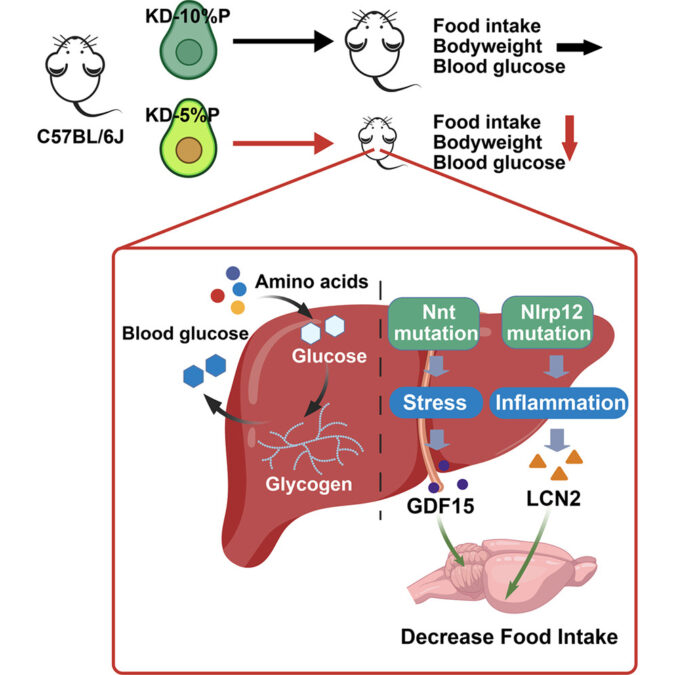
In this surprising study, published in the journal Cell Metabolism, researchers fed mice two types of carb-free keto diets: one with 5 percent of total calories from protein and one with 10 percent.
“The result was so striking,” says Zhaoyue Zhang, a chemist and biologist specializing in in vivo metabolism at Rockefeller University, and first author of the study.
After four weeks, mice put on the 5 percent diet reduced their caloric intake by about 40 percent, lost weight and improved their sensitivity to glucose.
But the 10% protein mice showed the opposite: they ate more, gained weight and had poorer glycemic control.
And here’s the cliffhanger: Both groups of mice were in ketosis, the fat-burning metabolic zone that’s believed to be the key to keto magic.
Stranger still, varying fat types between saturated and unsaturated varieties yielded no difference.
So, to explore the appetite-suppressing effects of the low-protein diet, the researchers next studied genetically modified mice lacking the hormone GDF15, which is produced in response to metabolic stress and acts on the brain to suppress appetite.
Counterintuitively, even the control mice failed to lose weight, even though they had done so in the previous experiment.
“At first I was a little panicked,” says Zhang.
“We had repeated the same experiment several times, and all of a sudden it didn’t work.”
It turns out that they used two different types of laboratory mice, the researchers explain in their press release.
One strain is known as B6J, the most commonly used laboratory mouse. The other strain is called B6NJ and its genome is 99.9% similar to that of B6J.
But above all, this second strain is devoid of mutations in two genes, NNT And NLRP12which protect cells against free radicals and respectively help regulate inflammatory responses.
By testing only B6J mice, the researchers found that a reduction in food intake, rather than an increase in calorie expenditure, was the main driver of weight loss, although the low-protein diet also meant that much of the weight lost was muscle mass and was associated with lower activity levels.
So why did the low-protein, high-fat diet induce loss of appetite and weight loss in B6J mice but not in the nearly genomically identical B6NJ mice?
Because the first have two mutations which facilitate the loss function – rather than an increase – in NNT And NLRP12 Genoa.
As a result, their body experiences greater oxidative stress on a low-protein, high-fat diet and is less able to stop inflammation.
This, in turn, activates metabolic stress and immune-inflammatory pathways in the liver, facilitated by the previously mentioned genes, and leads to the release of the hormones GDF15 and LCN2, respectively, which act on the brain to reduce appetite as diet causes metabolic stress.
Accordingly, treating low-protein B6J mice with an antioxidant reversed these hormonal pathways and trends and was associated with increased food intake, less weight loss, and reduced glucose tolerance.
Overall, the researchers say that protein content is a “primary determinant” of the ability of ketogenic diets to reduce weight in B6J mice.
Simply increasing protein content by 5 to 10 percent, while avoiding carbohydrates, reversed these effects, facilitating increased intake, weight gain and poorer blood sugar control.
Just as importantly, this diet does not produce the same effect in B6NJ mice, despite their immense genetic similarities.
This work presents several intriguing questions.
First, it suggests that previous dietary studies in mice (perhaps not just keto) may have been silently influenced by common genetic mutations in laboratory mice, which have been shown here to significantly alter systemic pathways such as the immune response.
Second, reduced appetite and weight, as well as glucose sensitivity, may seem like positive signs, but in this case they are driven by metabolic stress and inflammation.
Indeed, B6J mice lost a lot of muscle mass and developed fatty liver disease, while B6NJ mice did not develop this disorder but also did not experience loss of appetite or body weight.
Future studies could explore sex-specific differences, different systemic pathways, as well as long-term diets lasting more than four weeks with more conventional protein ratios.
Related: Some Ketogenic Diets May Increase Inflammation and Mitochondrial Stress
Finally, given that protein intake was prohibitive compared to human clinical trials and actual keto diets, future studies could analyze various protein diets in relation to participants’ genomic profiles to shed light on the interplay between diet, genetics, and immune responses to stress in body systems.
The research was published in Cellular metabolism.
This article was fact-checked by Rebecca Dyer and edited by Rebecca Dyer. Although we are proud of our process, we are only human. If you spot an error, please let us know.
Gn Health