
NEED TO KNOW
A study of 11 million infants found that vitamin K injections decreased from 97.7% to 95% between 2017 and 2025.
Bleeding due to vitamin K deficiency increased by 347% during the same period, researchers reported in JAMA Pediatrics.
Newborns have low levels of vitamin K, which can increase the risk of dangerous bleeding without injection.
Incidents of bleeding in infants are increasing as more parents refuse vitamin K injections amid continued distrust of established medical practices.
Researchers examined the medical records of 11 million infants between 2017 and 2025, during which the percentage of babies who received a vitamin K injection decreased from 97.7% to 95%. At the same time, VKD, or vitamin K deficiency, increased 216 percent, and VKDB, or vitamin K deficiency bleeding, jumped 347 percent, according to the study, led by Virginia Commonwealth University and published in JAMA Pediatrics.
“We knew from previous studies that vitamin K refusal had been increasing in the United States, and we wanted to know if this trend had real-world consequences,” Dr. Elizabeth Wolf, a pediatrician at VCU’s Richmond Children’s Hospital who led the study, said in a university news release. “We found that the answer is undeniably yes, with rates of VKD and VKDB increasing over the course of our study.”
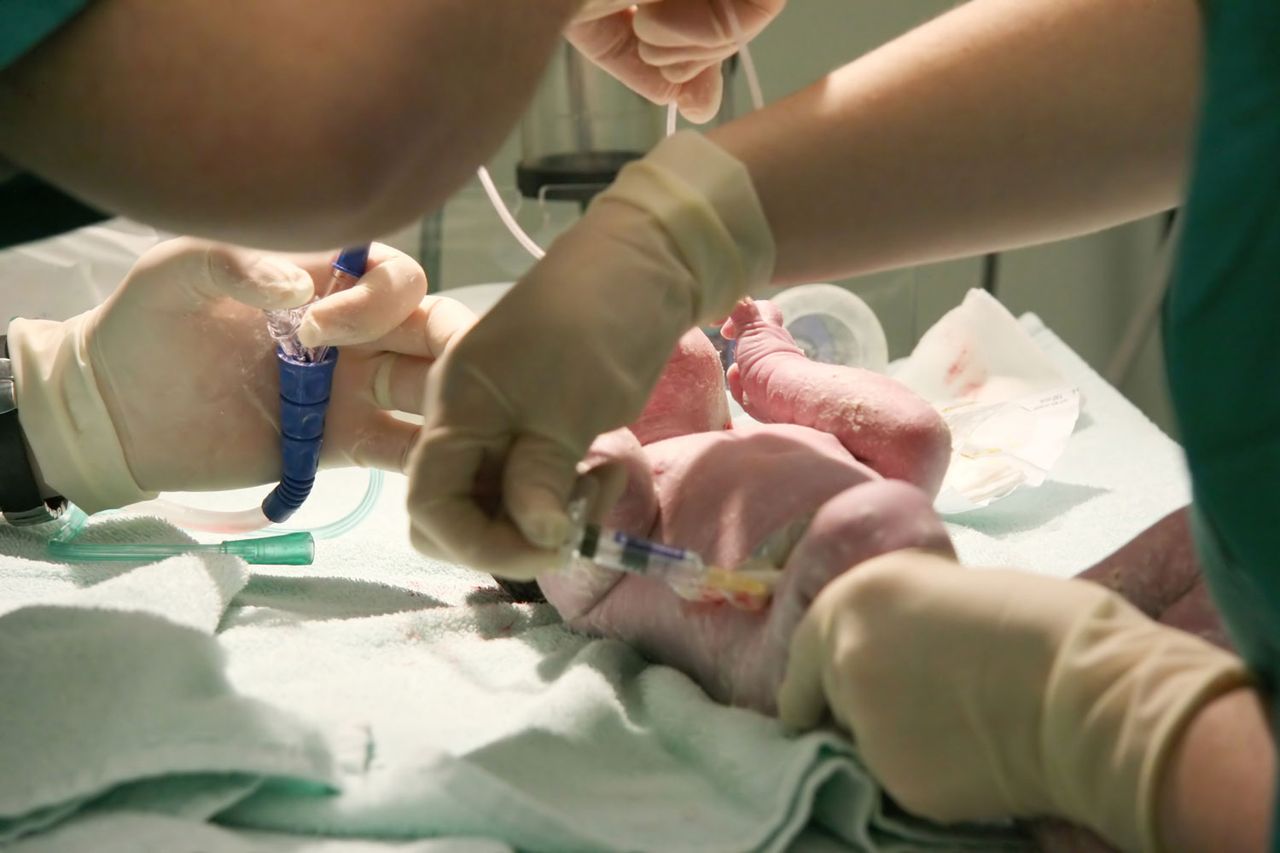
Image of a newborn receiving a vitamin K injectionCredits: Getty
Vitamin K helps blood clot, but newborns have very low levels of it because very little crosses the placental barrier, breast milk contains minimal amounts, and the infant’s gut has not yet developed the bacteria needed to produce it, according to the Centers for Disease Control and Prevention (CDC). To mitigate the risk, babies have been given a vitamin K injection at birth since 1961.
“Like recent measles outbreaks, we are seeing the real-world implications of a growing distrust of doctors and public health professionals. We need clear messages from all levels of public health about the benefits of administering vitamin K to newborns,” Wolf said.
Vitamin K deficiency leads to bruising and bleeding from the navel or navel for up to 1 week after birth. After a week, vitamin K deficiency leads to a 30 to 60 percent risk of intracranial hemorrhage, which VCU says carries a risk of seizures, permanent brain damage or death.

Image of a pediatric nurse caring for a newbornCredits: Getty
Take PEOPLE with you! Subscribe to PEOPLE magazine to get the latest celebrity news, exclusive royal updates, true crime stories and more, straight to your mailbox.
Research found that 7% of babies with vitamin K deficiency and 2% of babies with vitamin K deficiency developed an intracranial or intracerebral hemorrhage, which is bleeding in the brain.
“We should continue to monitor these trends because rates of vitamin K deficiency and vitamin K deficiency-related bleeding may continue to increase if vitamin K refusal continues to increase,” Wolf said. “We need to better understand why parents refuse vitamin K and what can be done to improve uptake of this important medication. »
Read the original article on People
Gn Health

