
Maybe it’s time to rethink those late-night raids on the fridge or cookie and chip cupboard: a new study has linked after-hours snacking to two types of liver disease, cirrhosis and fatty liver disease associated with metabolic dysfunction (MASLD).
Published in Clinical gastroenterology and hepatologyThe comprehensive study analyzes data from 199,155 people, with a median age of 59 years. Participants are enrolled in ongoing health research and complete diet and lifestyle questionnaires every 2 to 4 years.
The authors of the new study, from Oregon Health and Science University (OHSU) and Massachusetts General Hospital, found a 28% higher risk of cirrhosis and a 36% higher risk of MASLD among late-night eaters compared to those with more standard meal schedules.
Eating late at night was defined as eating “after bedtime” or “between dinner and bedtime.”
To put this increased risk into perspective, cirrhosis remained rare, with 315 cases among nearly 200,000 participants during the follow-up period.
Researchers think our circadian rhythms, the built-in cycles that synchronize our bodies with day and night, could explain this link.
“A few studies have hinted at this idea, but this is one of the first long-term analyzes to explicitly establish the link to fatty liver disease,” says OHSU hepatologist Robert Wilechansky.
“We know that the liver is very in tune with the body’s circadian rhythms, so we want to change the timing of meals in ways that improve health, without changing the composition of what people eat.”

))>
The median study follow-up time was 16 years, with adjustments for variables such as age, body mass index (BMI), and physical activity. The association with nighttime drinking remained significant after adjustments.
Although the study can’t prove direct cause and effect, and other factors could be at play here (sleep timing and quality were not considered in this analysis, for example), the researchers suggest that the different way the body processes food at night could have an influence.
We all have multiple circadian clocks running in our bodies, and the liver does its own timing and connects to the main circadian rhythms.
It’s possible that the liver is not prepared to effectively handle food late in the evening, leading to fat accumulation and increased blood sugar levels – although these ideas require further testing.
“Our findings add to the growing body of literature linking late evening eating habits to adverse metabolic and hepatic effects,” the researchers write in their published paper.
“This relationship is biologically plausible; higher caloric intake in the evening may lead to obesity and metabolic disorders via decreased insulin sensitivity and less energy use at night.”
Further research could examine what exactly nighttime eating consisted of — in this analysis, snack time was recorded, but not snack time — as well as measure indicators like blood sugar and liver fat more directly.
An OHSU team that includes Wilechansky is already recruiting for a more extensive clinical trial.
“The effects of late evening food intake on liver disease should be further studied in diverse populations, integrating liver imaging and markers of liver disease severity,” the researchers write.
“Confirmation of these findings could potentially impact best practices in nutrition for chronic liver disease.”
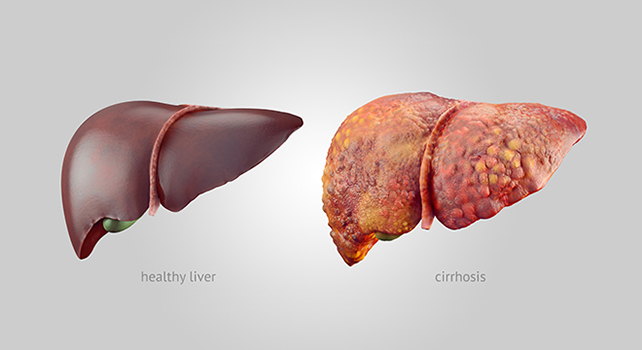
MASLD, also known as fatty liver disease, occurs when metabolic problems (such as obesity) lead to fat accumulation in the liver. In some people, this can cause scarring, which can then lead to cirrhosis, where the liver is permanently damaged and can eventually begin to fail.
Knowing more about how these two conditions are triggered or exacerbated will facilitate prevention and treatments in the future. It could be that one way to reduce your risk of liver disease is as simple as being disciplined about meal times – an easier matter than a diet or exercise program.
“We keep finding that the timing of behaviors, whether it’s sleep or eating or exercise, is really important,” says Andrew McHill, an OHSU sleep and circadian physiologist.
The research was published in Clinical gastroenterology and hepatology.
This article was fact-checked by Rebecca Dyer and edited by Rebecca Dyer. Although we are proud of our process, we are only human. If you spot an error, please let us know.
Gn Health

