
Mental health was not treated as a discipline until 1946, just as the first baby boomers were being born. So it makes sense that our understanding of this topic is still taking shape.
As baby boomers grew up in an era where mental illness was used to classify only debilitating and fairly obvious conditions, what we know about how the brain works has increased, so younger generations know there is a wide range of what falls into this broader category.
Gen Z, Millennials, Gen X, and Baby Boomers all have different ideas about what constitutes mental illness.
Baby boomers tend to think of mental illness as referring to a seriously debilitating illness.
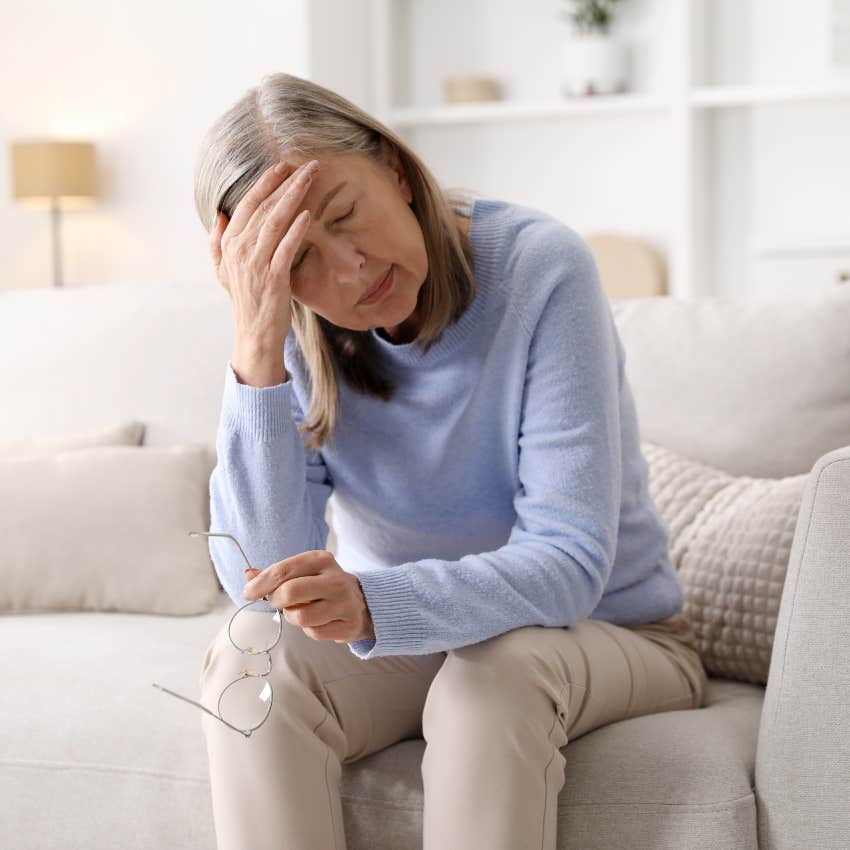
Baby boomers generally grew up in homes where mental health was not openly discussed. If someone felt anxious or sad, they were supposed to continue rather than take a break and figure out why they felt that way. For this reason, they have learned to view emotional struggles as a typical part of life.
 New Africa | Shutterstock
They still experience mental health issues, but they can use their own language to talk about them. Instead of saying they have depression or anxiety, they say they’re just stressed or going through a tough time. This generation might also be more likely to believe that staying busy can help someone get through tough times.
When younger people talk about things like therapy and setting boundaries to protect their mental health, some baby boomers aren’t as understanding. For them, the idea of labeling certain feelings as mental health issues may seem unhelpful, especially when they have been taught to bottle them up.
Generation X judges mental illness based on its impact on daily life.
Generation X tends to fall somewhere between the old-school attitudes of their parents and the more open approach of younger generations. Many were raised to fend for themselves and avoid making a big deal out of their personal problems. They had to be independent from the start, which may make them more likely to view emotional difficulties as something to overcome alone.
 Karola G from Pexels via Canva
At the same time, they have experienced major changes in the way society views mental health. They may recognize that conditions like depression and anxiety deserve attention, but still feel uncomfortable with how casually others discuss their struggles these days. They firmly believe that there is a difference between going through a difficult time and thinking that every emotion requires a diagnosis.
For millennials, mental health is about more than diagnosed issues or severe emotional distress.
Millennials have seen society gradually stop viewing emotional difficulties and illnesses as something to hide, making it easier for them to recognize that mental health deserves the same attention as physical well-being. They are much more comfortable talking about how these issues affect their daily lives.
 Studio Prostock | Shutterstock
Rather than automatically accepting stress as a part of adulthood, they are more likely to question whether their habits, environment, or expectations are weighing them down too much. When they constantly feel overwhelmed or have difficulty maintaining relationships, it may be a sign that something needs to change.
Generation Z places a high importance on mental health awareness.
Gen Zers are used to having their mental health a normal part of everyday conversations. Their concerns might extend beyond what previous generations considered serious issues. Experiencing social anxiety or dealing with constant pressure may be a reason to take a closer look at your mental well-being.
 VH-studio | Shutterstock
Being able to discuss mental health does not mean that all young people have the same understanding of it. Some may quickly recognize real warning signs, while others may have more difficulty distinguishing between normal emotional ups and downs and symptoms that require professional help.
Yet Gen Z generally wants to understand their feelings rather than dismiss them, even if older generations don’t see things the same way.
Kayla Asbach is a writer with a bachelor’s degree from the University of Central Florida. She covers relationships, psychology, self-help, pop culture, and human interest topics.
Gn Health

