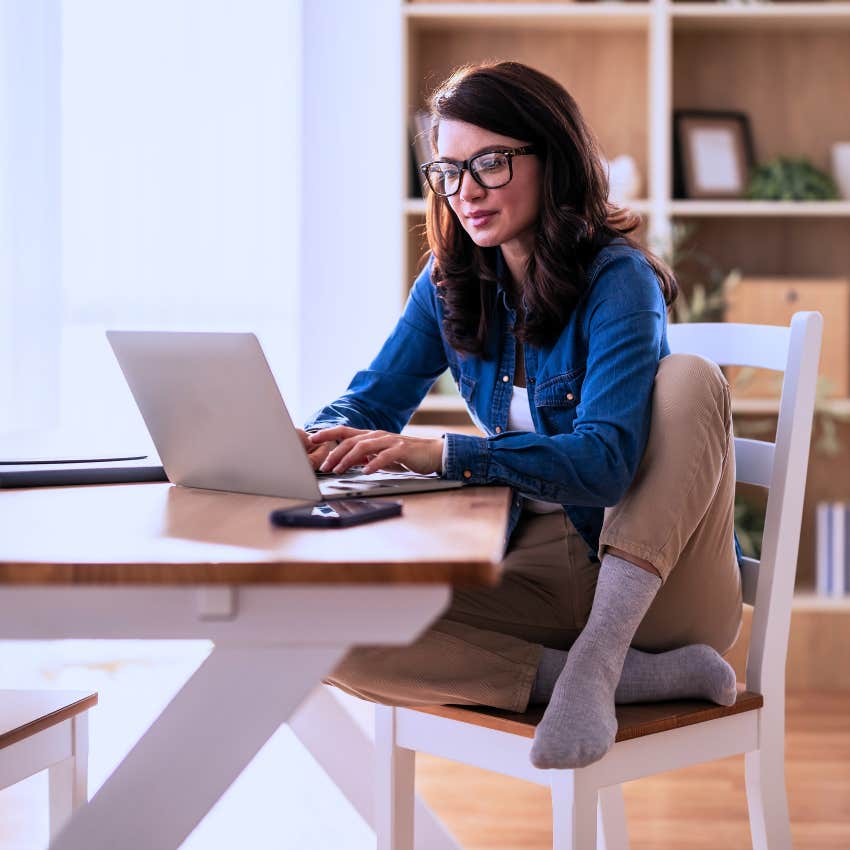
Working from home in sweatpants seems like a universal dream, especially for young workers who grew up online. After all, most people already visit physical offices much less often than before.
But when you break down remote work preferences by age, the data tells a completely unexpected story. Instead of Gen Z leading the work-from-home charge, they’re actually the least interested in being fully remote, while Baby Boomers are embracing it more than anyone.
Baby boomers most want to work remotely because flexibility allows them to work longer
While people think that Gen Z is the biggest proponent of non-traditional work structures, an HR Dive survey found that it’s actually baby boomers who are more likely to want flexible, remote work.
Many of them based their purpose on work. And as they age and face the inevitability of retirement, this life change can seem daunting.
 Lucigerma | Shutterstock
But when remote work is an option, boomers work much longer hours than in a traditional in-person office. This supports baby boomers’ collective goal, as explained in a Pew Research Center study, that they will continue to work well beyond age 65.
Yes, for some it’s a survival issue due to rising prices and a bleak retirement account. But some are simply motivated by the meaning that work and company loyalty bring to their daily lives, and are looking for more flexibility to enjoy it.
Generation X appreciates having the option to work from home, but fears losing meaning and connection.
As a study in the Journal of Open Innovation explains, Gen Xers tend to have more of a “live to work” mentality around their careers than younger generations, who consistently “work to live.”
For them, building trust and purpose in the workplace is more important than having more personal time to spend on other things. This is usually because of how much they have been taught to aspire to a good work ethic.
 MAYA LABORATORY | Shutterstock
They care deeply about interactions and conversations that happen face-to-face. And while they would appreciate being able to work from home one or two days a week, it’s from a productivity perspective, not a work-life balance perspective.
They are not completely against it. With the generational bridge between their younger and older peers in the workplace, they might even want more flexible standards as leaders to please everyone.
Despite the distractions of working from home, millennials crave the rewards of a work-life balance.
A Deloitte global millennial survey found that at least two-thirds of millennials believe that remote work allows them to create a better work-life balance.
As one of their highest priorities at work, anything that helps reaffirm these boundaries in order to protect their time and well-being is worth defending.
 Jelena Zelen | Shutterstock
Many young people, but especially millennials, also report feeling completely overwhelmed by stress. While there are personal life changes to blame, a rigid work schedule and being overworked during one’s career also leads to burnout.
For people with families, working from home can be more distracting and burdensome, especially for mothers who already take on the majority of household chores. But for millennials, it’s the flexibility that they greatly appreciate.
Gen Z is less interested in remote work, with connection and career advancement in mind
Ironically, according to a 2025 Gallup survey, members of Generation Z are the least likely to support a fully remote work dynamic.
Yes, work-life balance is a top priority for them, but they also crave community and a sense of belonging, like older generations automatically had at work.
 Contributor Nin2530 | Shutterstock
Now that third spaces are slowly diminishing and Gen Zers feel disconnected from everyone else, work might be the place where they feel most connected with other humans. In addition to all the benefits of social connection that a hybrid or in-person office offers, Gen Z is also looking to learn.
They are in the early stages of their careers, where advancement and growth are a priority. If they are not surrounded by colleagues and peers who can pass on their skills and knowledge, they will end up feeling stuck in the career progression they aspire to.
Zayda Slabbekoorn is a senior editorial strategist with a bachelor’s degree in social relations, politics and gender studies who focuses on psychology, relationships, self-help and human interest stories.
Gn Health