
On November 2, hackers disrupted refrigeration systems in at least seven European Union countries, manipulating temperatures remotely and forcing some retailers to throw out refrigerated and frozen foods. Reuters reported the same day.
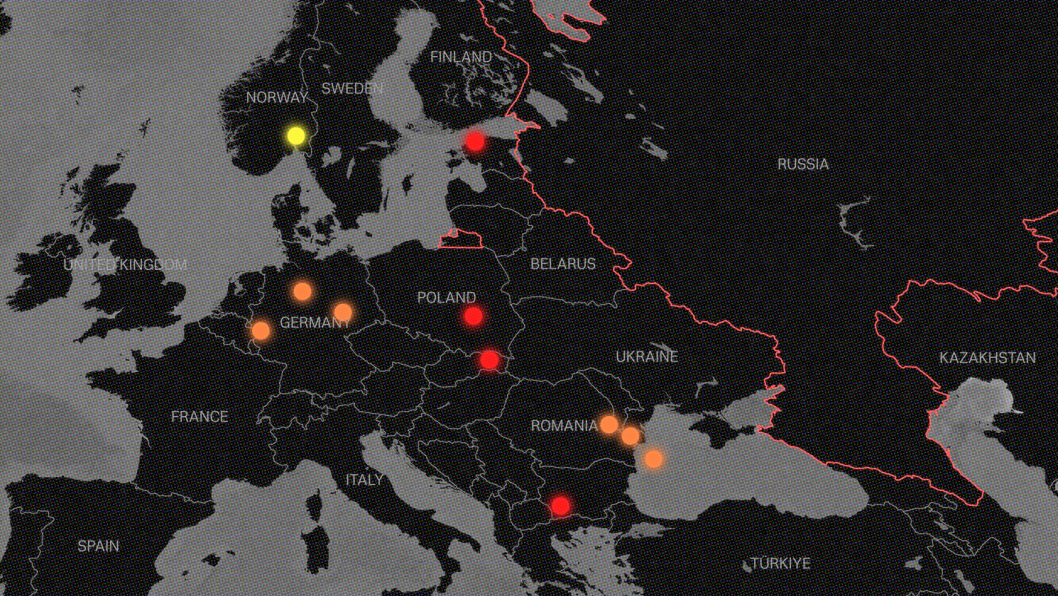
Incidents have been recorded in Sweden, Finland, Ireland, Belgium, Luxembourg, Estonia and the Netherlands. More than 100 stores and other businesses across Europe experienced refrigeration issues, with several retailers attributing the disruptions to cyberattacks or unauthorized tampering, according to the outlet.
We bring you stories from the field. Your support keeps our team on the ground.
DONATE NOW
In Sweden, supermarket chain Coop reported disruptions at several stores, while ICA said a limited number of its sites were affected. Anadolu Agency noted that a freezer at an ICA Nära store in Boda, on the island of Öland, reached 55°C, leaving food spoiled. Another ICA supermarket in Sjöbo reported temperatures of 50°C.
Belgian retailers also reported widespread disruptions. Carrefour confirmed refrigeration problems in around 15 of its more than 700 stores, while other affected sites included Delhaize, Spar and smaller retailers. Ahold Delhaize said an overnight IT incident affected refrigerators and freezers in dozens of stores in Belgium and Luxembourg.
In Ireland, Musgrave Group said refrigeration systems at 13 SuperValu stores had been affected, forcing some chilled and frozen products to be withdrawn from sale.
In Finland, the public broadcaster Yle reported that Kesko detected temperature issues at several small K-food stores. The company said it was investigating the cause and had not ruled out the possibility of interference via network connections. According to Yle, the affected refrigeration equipment was not covered by the retailer’s centralized security protections.
Learn more
- Category
- World
September 02, 2026 3:54 p.m.
According to the Associated Pressin Estonia, attackers accessed a computer controlling refrigeration equipment at a Selver supermarket and set the temperature to 50°C. The incident was detected and resolved within minutes, limiting the damage.
The latest wave has also reached the Netherlands. NL Times reported, citing equipment supplier Danfoss, that the refrigeration and freezing systems of at least 17 companies were targeted overnight. Affected sites included butchers, small neighborhood stores and a frozen food warehouse. Large Dutch supermarket chains were not affected.
The NL Times also added that at least some of the compromised refrigeration systems used remote control technology provided by Danish manufacturer Danfoss. Equipment from another manufacturer, Copeland, was also reported affected in Belgium. Danfoss said some targeted systems in the Netherlands remained connected to insecure networks and still used default passwords.
Internet-connected refrigeration controllers allow technicians to remotely monitor temperatures, diagnose faults and adjust equipment. Unauthorized access can allow attackers to change temperature settings or activate extended defrost cycles, potentially spoiling large quantities of temperature-sensitive foods.
Learn more
- Category
- War in Ukraine
October 20, 2026 7:05 p.m.
The November incidents came about three weeks after a similar cyberattack targeting the refrigeration systems of hundreds of supermarkets in France. Reuters reported that around 700 stores were affected, with attackers remotely manipulating refrigeration controllers and, in some cases, pushing temperatures above 50C. The attack caused significant food losses and fires in some places.
Cybersecurity Exit The file concluded that the French attacks affected controllers from several manufacturers, including older Danfoss and Copeland systems. Some of the compromised equipment had reached the end of its lifespan and was no longer receiving security updates.
No one has publicly claimed responsibility for this latest wave, and authorities have not identified the attackers or established their motivations.
Attacks on food supply chains have also featured in Russia’s cyber campaign against Ukraine.
In July 2025, the state-backed group UAC-0099 hacked a Ukrainian grain logistics company via a phishing email and installed the MythicRatatoskr backdoor to fulfill orders and extract documents.
The hackers hid their control server in Yggdrasil, a decentralized network with no central authority, in the first documented case of a state-linked group exploiting it in this way. About two months later, Sandworm, a group linked to Russian military intelligence, wiped the company’s data using Microsoft’s SDelete utility.

We report from the front lines to show the reality of war. Your support helps us stay here and tell the stories that matter.
Gn bussni