

Want to bookmark your favorite articles and stories to read or view later? Start your independent membership today.
Join us today
Already a member? Log in
Rabies cases are increasing in the United States, with potentially fatal consequences for people who do not receive timely treatment.
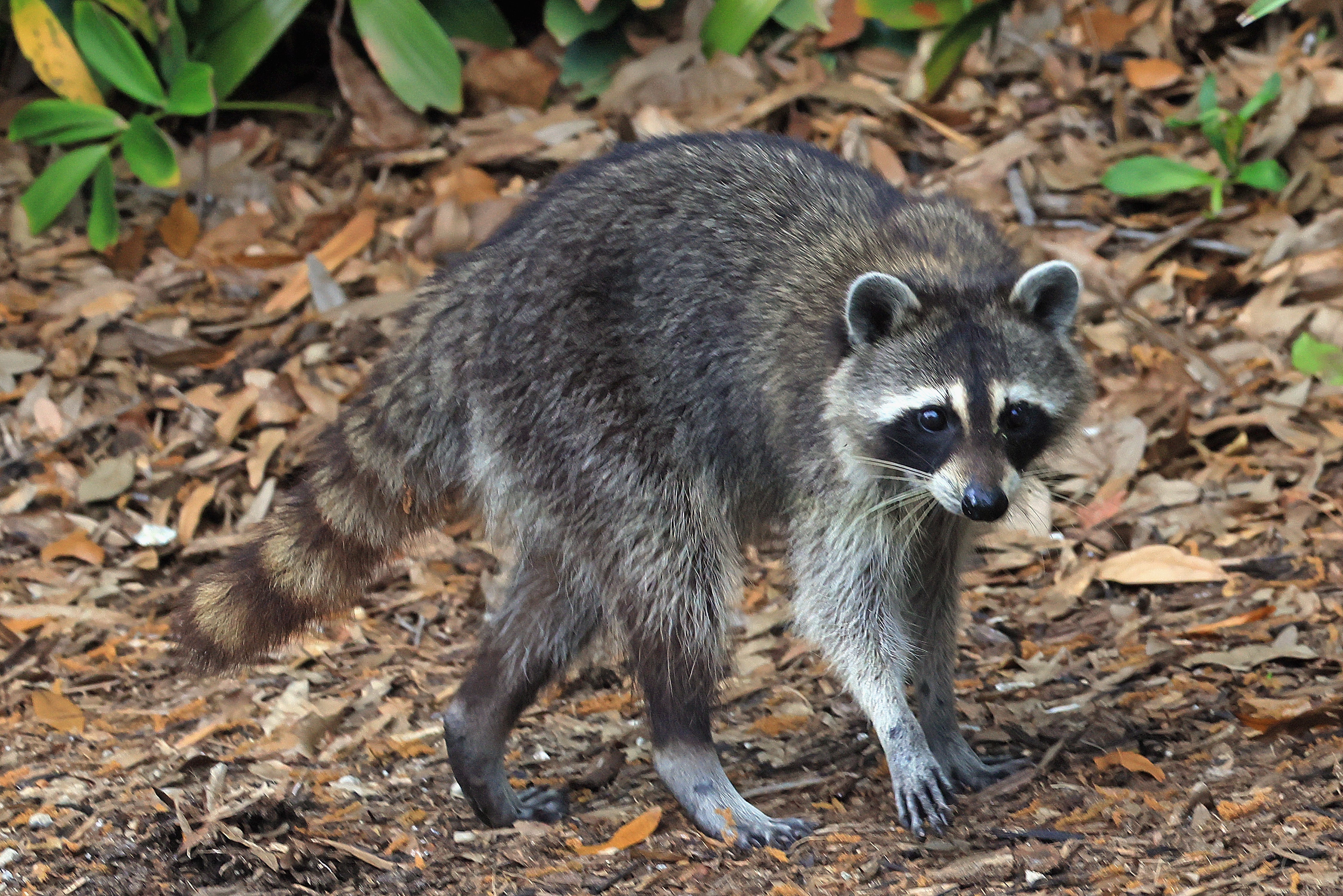
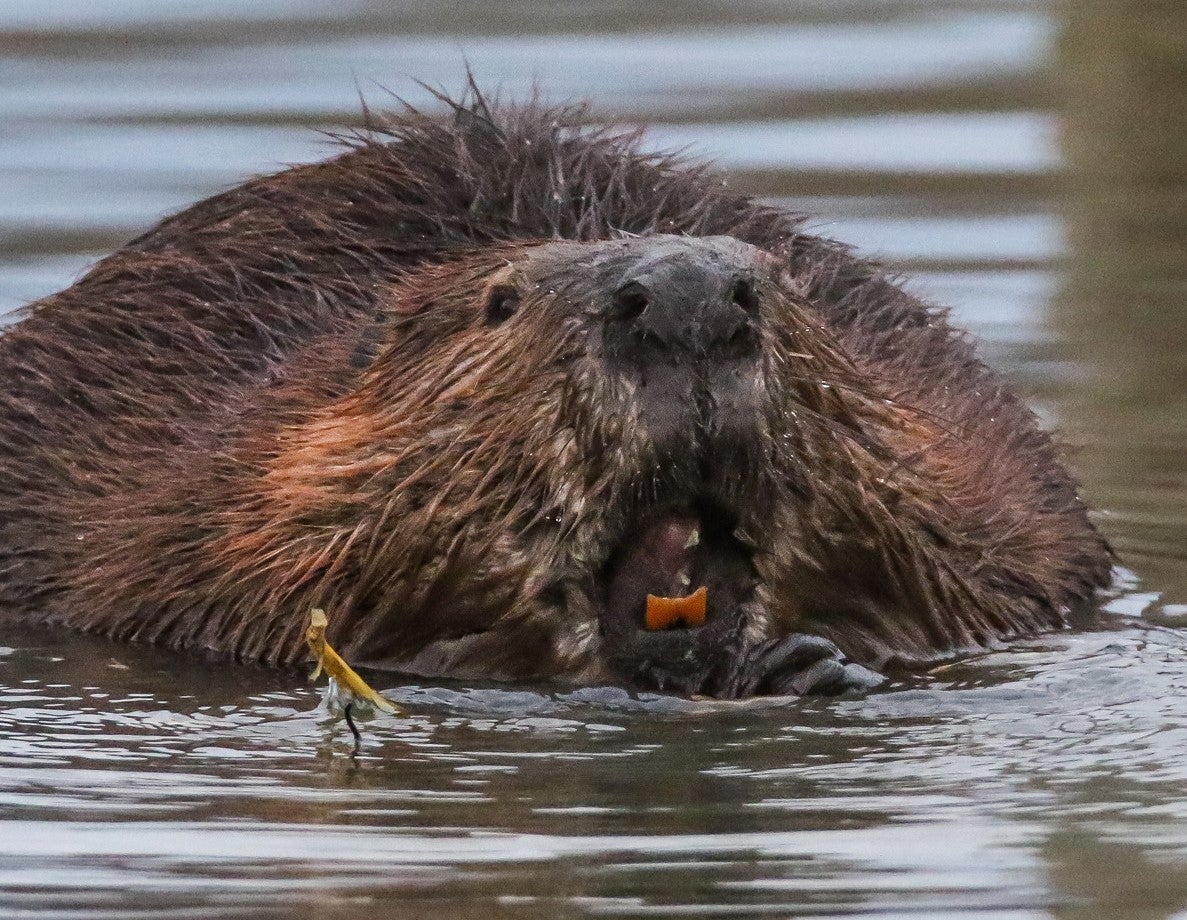
Los Angeles just reported its first raccoon case in more than 50 years this week. National Parks warned of attacks by rabid bats and beavers in Maryland over the summer.
Cases jumped 17% nationwide this summer, according to the Centers for Disease Control and Prevention last month.
The viral infection affects the central nervous system, leading to flu-like illness, confusion, agitation, aggressive behavior, anxiety and hallucinations. Infections can be fatal if people don’t get medical care before symptoms appear, according to the CDC.
People can protect themselves by taking precautions and knowing the sources of exposure.
Animal advice
Animals are the most common way rabies spreads, but rarer methods of transmission have been reported, including organ transplants.
The best way to avoid rabies is to maintain a safe distance from wildlife, health officials say. This means never approaching animals that appear injured, sick or even dead. Infections can occur weeks or months after a bite or scratch.
If you encounter an animal that you suspect has rabies, you should contact your local animal control department.
A dead animal can still spread the virus through contact with saliva or wounds, health officials say.
Domestic animals should also be kept away from wild animals as much as possible. Owners should also make sure their pets are up to date on rabies vaccinations. There are approved vaccines for dogs, cats, ferrets, horses, sheep and cattle. Some of these shots are covered by pet insurance plans, Progressive notes.
People who work with or near animals, including veterinarians and laboratory wildlife rehabilitators, may also be advised to receive a pre-exposure rabies vaccine. These are rarely covered by health insurance plans and can cost between $280 and $360 per dose, according to Purdue University.
What to do if you are exposed to rabies
If you think you may have been exposed to rabies through a bite or scratch, wash the wounds with soap and water for 15 minutes to help remove the virus. Then consult a doctor immediately.
You should tell a healthcare professional if you work around animals, what type of animal you encountered, and if there were any signs that the animal was not acting normally.
If the animal is a pet, ask the owner for proof that the animal is up to date on its rabies vaccination.
And if you’re not sure if you’ve had direct contact with a rabid animal but still think you’ve been exposed, check with your local health department.
Medical care after exposure to rabies includes wound care, medication that provides protective immune antibodies, and a course of four or five vaccines. But vaccinations after being exposed to rabies can be expensive, costing people without health insurance thousands of dollars.
That’s why it’s crucial to know when people need to get vaccinated. Each year, approximately 100,000 Americans are vaccinated against rabies following potential exposure to rabies. Federal data shows there are typically about 4,000 cases of the virus each year, with fewer than 10 deaths.
Gn Health

