
The latest science suggests that knees are tougher than you think.

Our knees are hinge joints that move back and forth in a single plane. They support our body weight. They are at the heart of the movement. Want to take a walk, climb the stairs, play sports, pick up the kids, get out of the car, age gracefully, or get up from your desk easily after reading (or writing) this sentence? You will need healthy knees.
Our future depends on these hinge joints.
But knees are often misunderstood. “People have strong opinions” about what makes and keeps knees healthy, said Jean-François Esculier, a physiotherapist and clinical associate professor of medicine at the University of British Columbia in Kelowna, who studies and treats sports injuries.
In a 2022 study of 2,514 adults by Esculier, for example, more than half said they think Long-distance running increases the risk of knee arthritis. But study after study shows runners are generally less likely than others to develop painful knee arthritis, and their arthritis generally progresses more slowly if they develop it. Running can even help strengthen knee cartilage.
The latest scientific data actually suggests that knees may be stronger than many researchers, clinicians, and knee owners thought. With luck and preparation, our knees can stay in good shape throughout their lives.
But knees will change with age. Some changes seem inevitable. Others might be malleable, meaning we have some control over the future of our knees.
The following is a science-based guide to your knees as adults: how they work and change with age, and advice on how best to protect them.
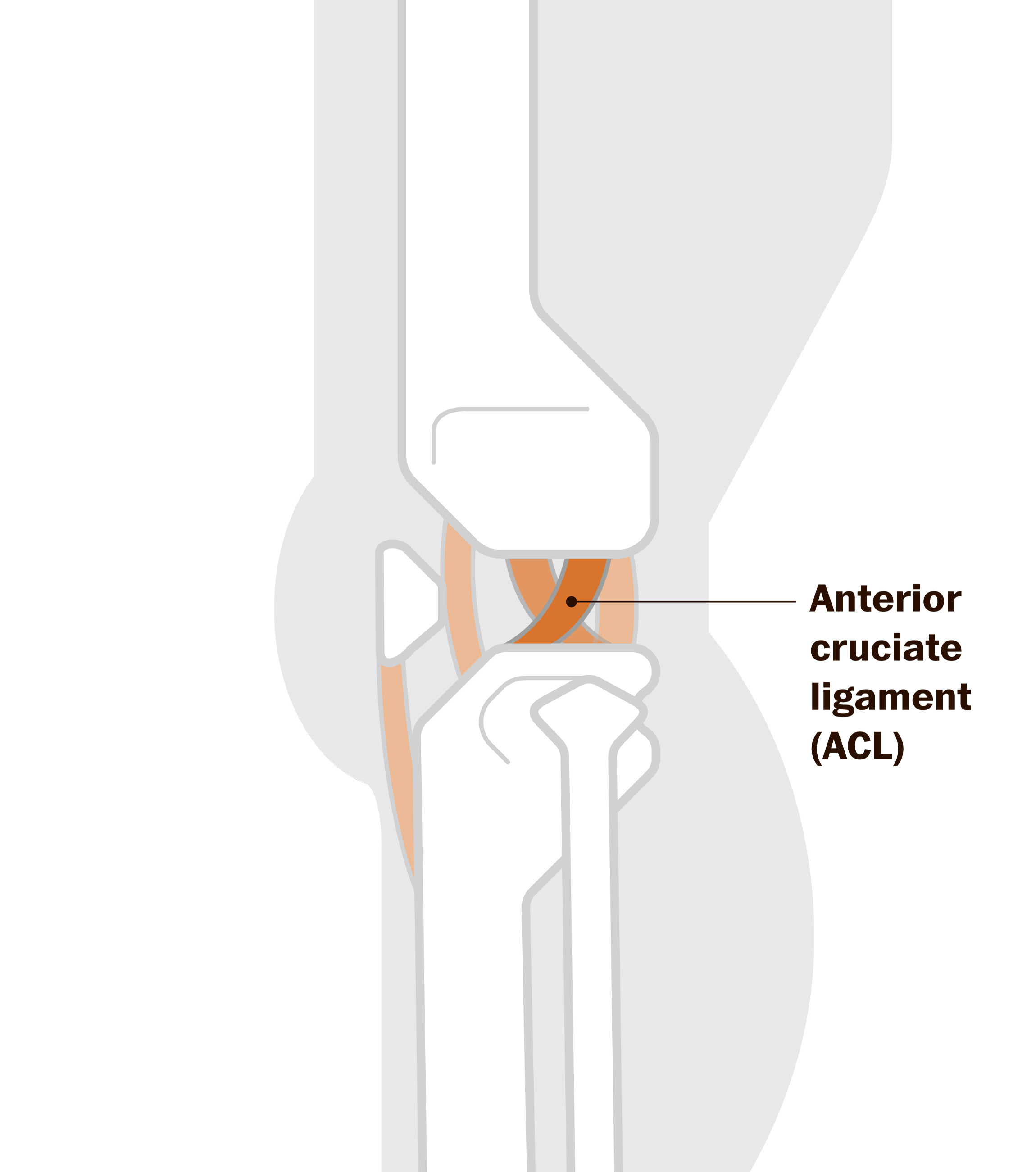
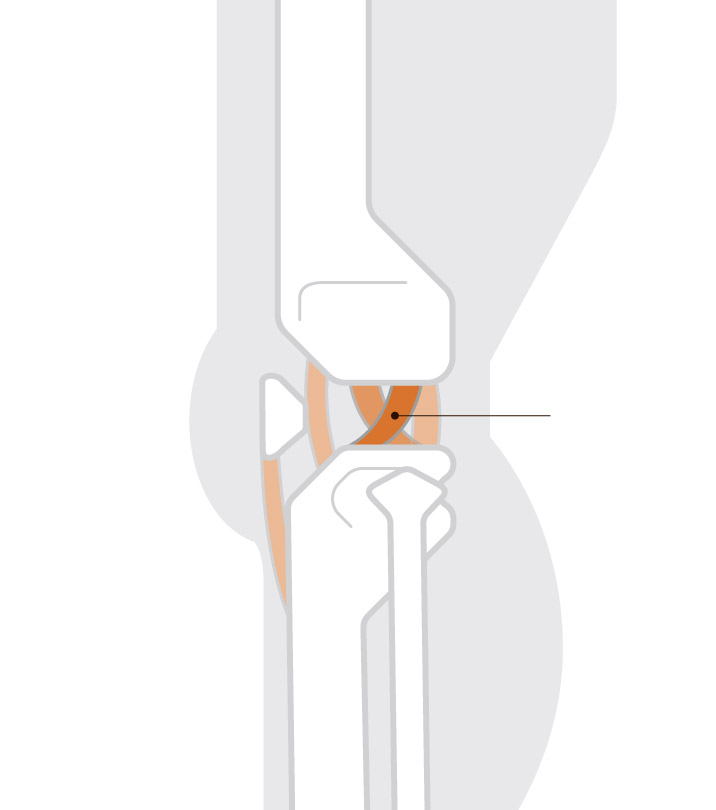
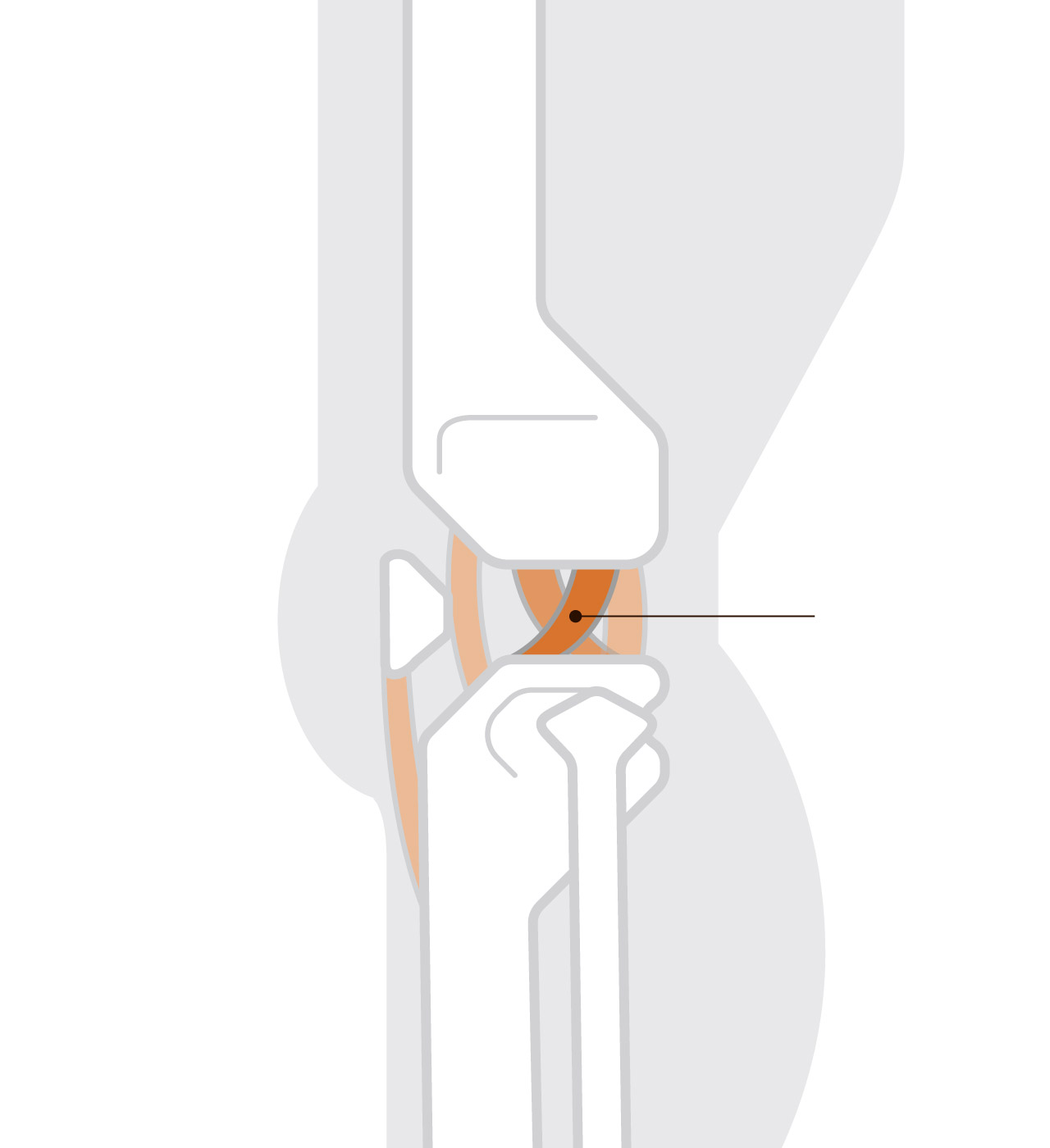
Three intersecting bones – the femur (thigh bone), tibia (tibia), and patella (kneecap) – form the knee, with their ends covered in thin layers of protective articular cartilage.
The anterior cruciate ligament (ACL) – famous for interrupting or ending sports careers when torn – connects these bones.
Two thicker cartilaginous crescents – the menisci – cushion the space between the femur and the tibia.
A clear, sticky fluid, called synovial fluid, lubricates the entire joint.
Three major muscle groups connect and stabilize the knee.
Young knees
At this age, knees require little care or attention. The cartilage in the joints tends to be the thickest and healthiest, the bones are strong, and the tendons are mostly intact.
It’s no coincidence that these are the decades when adults are most physically active (although lifelong physical activity levels probably peak for most of us around age 3, research shows, and decline from there).
This activity is “the key” to healthy joints, including in early adulthood, said Keith Baar, an exercise scientist at McMaster University in Canada who studies musculoskeletal longevity.
When we walk or move, our knees bend and the bones in the joints compress the cartilage, which deflates, releasing fluid. The cartilage then plumps up – drawing in fluid filled with oxygen and nutrients – as the knees straighten, a process called cyclic loading, which helps nourish and replenish the cartilage.
Activity is at the heart of cyclic loading. In a 2024 study, if young adults stood quietly for 30 minutes, the cartilage in their knees remained almost flattened. If they lay for 50 minutes, the cartilage began to recover. But if they walked for 10 minutes, the cartilage in their knees completely re-inflated three times faster than at rest.
Young knees face challenges. Muscle mass and strength begin to decline around age 30, especially in the large leg muscles that help stabilize the knee. The knees may not feel any difference as the muscles shrink, but become more susceptible to injury or osteoarthritis.
Sports injuries now also predispose the knees to later problems. The incidence of ACL tears peaks around age 25 in men and 18 years in women, with long-term repercussions. By some estimates, nearly half of young people who tear an ACL develop signs of early arthritis within a decade.
Midlife Knees
The knees may start to bother us now. The typical age for a diagnosis of knee arthritis is around 55, with increasing numbers in the 40s.
Even without arthritis, studies show that knees can change in worrying ways during midlife.
The synovial fluid may begin to dry out and lose its viscosity.
The decline in leg strength, power and muscle mass accelerates. Sedentary middle-aged men and women lose about 10% of their strength and mass each decade, which also weakens their knees.
The cartilage often thins and frays. In a 2018 study, knee scans showed tears in the articular cartilage in nearly half of a group of adults aged 40 or older, many of whom had not reported knee pain. Nearly 20 percent, separately or in addition, had a meniscus tear.
Weight may increase. By some estimates, most men and women earn almost a pound a year over their lifetime. This can amplify the loads on the knee and increase inflammation in the body, which would damage the knee and contribute to the risk of arthritis.
Many of us are becoming more sedentary. Daily step counts in midlife often hover around 5,500 per day or below. Less movement means less cyclical loading, affecting cartilage health.
The good news: continuing or increasing physical exercise during quarantine protects the knees, especially strength training. A 2024 study of 2,607 men and women found that resistance exercise before age 50 reduced the risk of later knee pain or arthritis by 20% or more.
Walking regularly in your 40s is also beneficial for your knees.
Even running can help. In a 2019 study, 82 middle-aged men and women underwent knee scans before training for their first marathon. Scans revealed widespread cartilage, tendon and other damage, although no one reported knee pain. After six months of training and completing the London Marathon, subsequent scans showed that the runners’ knees appeared healthier than before, with less cartilage or other damage.
Older knees
These are the decades of discontent in our knees. Of the nearly 800,000 knee replacements performed each year in the United States, most are on people in their 60s, with the number of cases peaking around age 66, according to government statistics.
Common joint problems usually intensify and get worse now. For example, according to studies, the majority of older adults are likely to suffer from at least one meniscus tear, even if they do not experience knee pain.
The cartilage between the bones often thins more quickly after age 60, leaving the femur and tibia with less padding, so the separation between the bones diminishes or disappears. This condition is called joint space narrowing, a feature of knee arthritis that can cause bone-on-bone friction during movement.
In general, older knees also contain less lubricating synovial fluid than younger ones and the fluid is more watery and contains fewer nutrients.
Loss of muscle and strength is now accelerating, with the decline disproportionately hitting the large quadriceps muscles in our thighs, the primary stabilizers of the knee.
But almost none of these effects are inevitable with aging, researchers say. Many can be reduced or avoided, especially with activity.
Simply walking a little more improves the health and function of most older knees. In one study, older adults with or at risk of knee arthritis who took at least 6,000 steps per day maintained mobility and experienced less pain than those who did not. Even if people took fewer than 6,000 steps, knee function improved by about 16% for each additional 1,000 steps per day taken.
Squats also work, focusing on the quads. After 16 older men and women began a 12-week program of chair squats for a 2021 study in Scientific Reports, the size and strength of their quadriceps increased and they were able to get up from chairs faster, a marker of functional strength that relies, fundamentally, on good knees.
This story is the first in a week-long series on knee health. Tomorrow, listen to a knee specialist tell you about the worst thing you can do for knee pain.
About this story
Development by Junne Joaquin Alcantara. Story editing by Emily Codik and Theresa Tamkins. Graphic editing by Emily M. Eng. Copy editing by Karl Hente.
Gn Health

