Nasdaq and the New York Stock Exchange (NYSE) will begin offering weekday 11 p.m. trading starting December 6. The new night trading session will run from 9:00 p.m. to 4:00 a.m. ET, Monday through Friday.
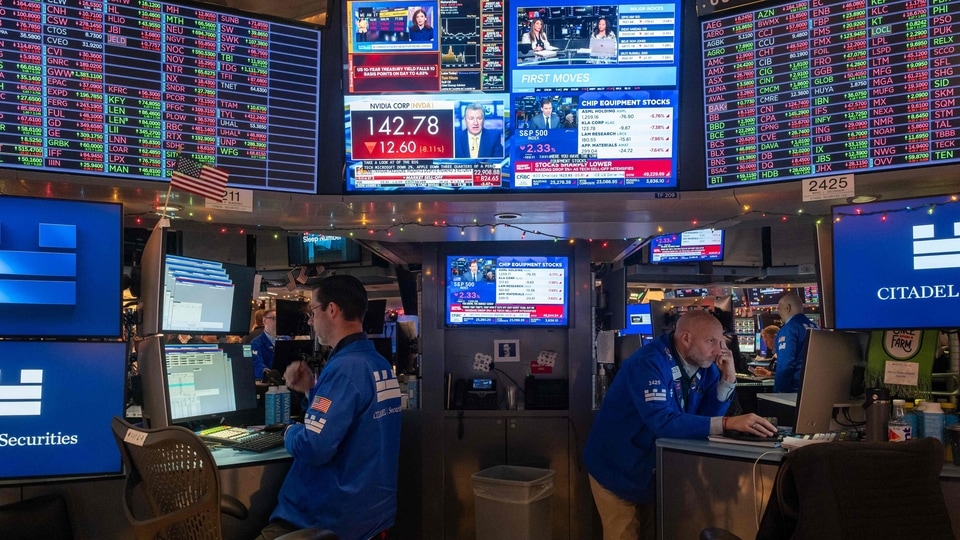
In combination with existing pre-market and after-hours sessions, trading in U.S. stocks will only stop for one hour each day, from 8:00 p.m. to 9:00 p.m. ET, as exchanges settle trades and complete operational processing. The expanded trading program will launch on Nasdaq and NYSE Arca, the all-electronic exchange operated by Intercontinental Exchange (ICE).
Chuck Mack, Nasdaq’s senior vice president of North American markets, said investor behavior is changing as global players increasingly expect to access U.S. markets during their own business hours. Nasdaq said the initiative aligns trading hours with global news cycles and international demand.
Global investors drive demand for longer-term deals
The move follows growing demand from international investors, particularly in Asia, and reflects a broader trend towards 24-hour financial markets.
The night session largely overlaps with office hours in the Asia-Pacific region. The Australian stock market opens at 6 p.m. ET, while the stock exchanges of Japan and South Korea begin trading around 7 p.m. ET.
Bidisha Chakrabarty, a finance professor at Iowa State University, told Investor’s Business Daily that about 80% of current U.S. day-to-day stock trading volume already comes from the Asia-Pacific region, with nearly half coming from South Korea. She added that several Korean brokerages were also preparing to offer their clients near-round-the-clock access to U.S. stocks starting Dec. 6.
According to the publication, NYSE Chief Product Officer Kevin Tyrrell said the exchange aims to improve transparency.
He said: “It’s a lot of effort that we’re putting in here to just expand access to the market. Everything will be reported in real time. If you’re trading at two in the morning, you’ll see real-time quotes.”
Opportunities and risks
Day trading already exists through alternative trading systems (ATS) used by brokerages such as Charles Schwab and Robinhood.
However, this represents less than 1% of total U.S. stock trading volume, according to the U.S. Securities and Exchange Commission (SEC). The entry of Nasdaq and NYSE is expected to significantly increase participation and liquidity over time.
Chakrabarty said overnight spreads were historically about three times wider than those in the regular session. “At least initially, this move to 23/5 involves a trade-off: better access, higher cost. Facilities will likely mostly stay at regular hours, unless there are news events outside of normal hours.”
She therefore advises retail investors to use limit orders and stick to liquid securities.
Gn bussni