
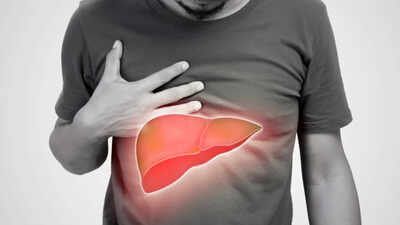
The liver can take a beating without alcohol coming into play. A late-night meal, a bottle of packaged juice, or hours spent sitting at a desk may seem harmless on their own. But when these habits become part of daily life, they can affect the body’s ability to handle sugar, store fat, and respond to insulin.Fatty liver disease is increasingly recognized in people who do not drink alcohol. Dr Jaya Agarwal, consultant and assistant professor of gastrointestinal surgery at Amrita HospitalFaridabadsaid: “We are seeing more and more patients with fatty liver without a history of alcohol consumption in clinical practice. »Many of these patients are young professionals who feel completely healthy and discover this disease during routine medical examinations. The problem is that fatty liver disease can go silent for years, sometimes progressing to inflammation, liver scarring, and cirrhosis.Here are five daily habits that you should pay more attention to.
Eat late and go straight to bed
A late dinner isn’t automatically harmful, but regularly eating large meals close to bedtime can go hand in hand with overeating, frequent snacking, and irregular meal times. These patterns can affect metabolic health, especially when daily calorie intake exceeds the body’s needs.The biggest problem is often what ends up on the plate. Heavy portions, sugary desserts and refined carbohydrates can contribute to excess energy intake and fat accumulation in the liver. Eating a balanced dinner and allowing time before bed can help establish a healthier routine.

Can fruit juices damage our liver?
Consider fruit juice a healthy drink
Fruit has a healthy reputation, so packaged juices may seem like an easy way to get essential nutrients. However, juices often contain much less fiber than whole fruits, and some products contain added sugar.Frequently drinking sugary drinks can increase calorie intake without making you feel as full as solid foods. Excess sugar, especially when overall energy intake is high, can contribute to fat accumulation in the liver.Whole fruits are generally the best choice for everyday use. Water is also a wise alternative to sugary drinks.
Exercise briefly but sit all day
A morning walk or gym session helps, but it doesn’t erase the effects of sitting for most of the day. Long periods of inactivity can affect insulin sensitivity and the way the body handles glucose and fat.This is important because insulin resistance can encourage the liver to store more fat. It may be helpful to divide sitting time with short walks, standing breaks, or movement between tasks.The goal is not to abandon a workout. This is about avoiding viewing exercise as the only active part of the day.
Getting by on five hours of sleep
Insufficient and regular sleep can disrupt appetite, glucose regulation and other metabolic processes. Over time, these changes can make it more difficult to maintain a healthy weight and manage the body’s energy balance.Sleep problems are also associated with metabolic dysfunction, which can accompany fatty liver disease. This does not mean that a poor night’s sleep causes liver damage. The problem lies in a repeated tendency toward insufficient rest.For most adults, aiming for seven to nine hours of sleep each night is a useful starting point.
Assuming Normal Weight Means Healthy Liver
A slim appearance does not guarantee that the liver is free of excess fat. Some people, including South Asians, may carry more fat around their internal organs despite having a normal body mass index (BMI).This visceral fat is metabolically active and is associated with insulin resistance and a higher risk of metabolic disease. Waist circumference, blood sugar, blood lipids and other health markers can therefore provide useful information beyond just weight.It is worth remembering Dr. Agarwal’s warning: fatty liver disease is not always accompanied by obvious symptoms. Persistent metabolic problems can develop even when a person appears healthy.
What can help protect the liver?
What is encouraging is that early-onset fatty liver disease can often improve with lasting lifestyle changes. Regular physical activity, balanced meals, fewer sugary drinks, adequate sleep, and attention to metabolic health are all important.People with diabetes, high cholesterol, abdominal obesity, or other metabolic risk factors should discuss a liver evaluation with a healthcare professional. Normal weight and absence of alcohol consumption do not rule out the disease, and not everyone needs the same screening tests.
Gn Health

