New footage appears to show the remains of several Russian planes widely used to attack Ukraine after kyiv said it carried out a missile strike across the Russian border.
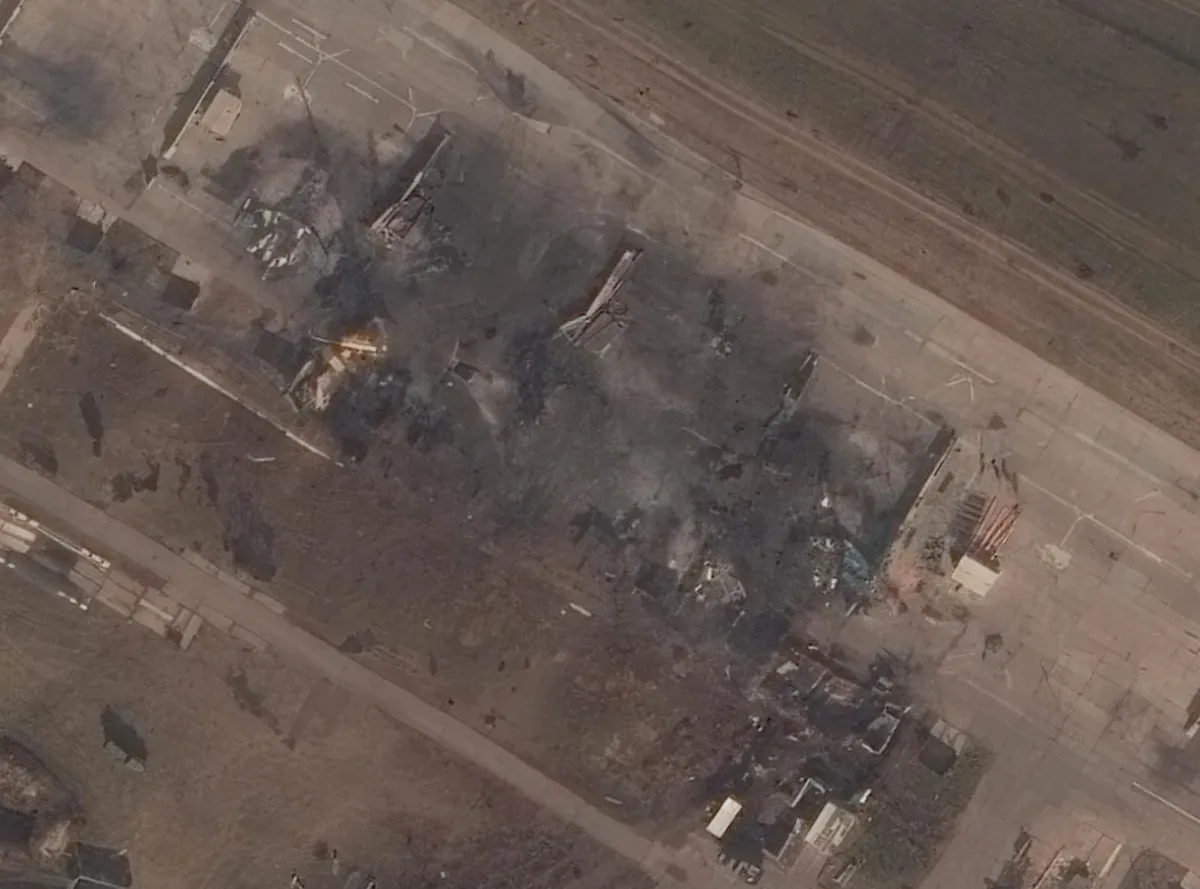
Ukrainian officials said six Sukhoi Su-34 fighter-bombers were damaged to “varying degrees” in a strike on Borisoglebsk airfield in Russia’s Voronezh region overnight on Thursday.
Ukrainian President Volodymyr Zelensky said four of the planes were completely destroyed. He shared an image purporting to show the aftermath of the operation, with what appears to be a parking area for the plane visibly charred. News week was unable to independently verify this image. However, satellite images seen by News week of October 11 appears to show six Su-34s lined up at the airfield.
The strikes came as turbulent relations between Ukraine and the United States were further strained, with Ukrainian officials reporting that their access to intelligence on Russian missile strikes and full use of the military version of Elon Musk’s Starlink satellite internet network had been restricted.
It is unclear what is behind the disruption of intelligence services and Starlink’s sister service Starshield, which kyiv relies on to target Russian logistics and bases with mid-range drones and intercept Russian jet drone assaults. But British Defense Minister Wes Streeting said on Thursday that US Defense Secretary Pete Hegseth had assured him that access to satellite connectivity had been restored in Ukraine.
Meanwhile, President Donald Trump said Ukraine’s resumption of attacks on Russian oil refineries on Thursday was a “disgrace,” shortly after Zelensky said Ukraine was “finished” with the unilateral “energy ceasefire” announced by Trump over the weekend.
Neither Russia nor Ukraine has confirmed accepting the deal, but there were no reports of Ukrainian attacks on Russian oil refineries between October 10 and 14.
Russia, however, confirmed that it launched devastating strikes on Ukrainian power plants earlier this week, which Ukrainian authorities said cut off electricity access to 600,000 people in kyiv. Both sides hope that targeting energy infrastructure will harm each other’s economies and bring the impact of war to civilians far from the front lines.
The Russian Defense Ministry then said on Thursday that Ukraine had “attempted a massive attack” on an oil refinery in the Ryazan region, southeast of Moscow. Regional Governor Pavel Malkov said a fire broke out at the facility.
The White House blamed rising U.S. diesel and gasoline prices on Ukraine’s actions, rather than the U.S.-led war in Iran and Tehran’s effective blockade of the Strait of Hormuz waterway, which have roiled global energy markets.
Trump, mindful of soaring fuel prices hitting U.S. consumers just before the crucial midterm elections, said Thursday that Zelensky was “driving up the global price of oil” and was “doing the world a disservice.”
What are Su-34s?
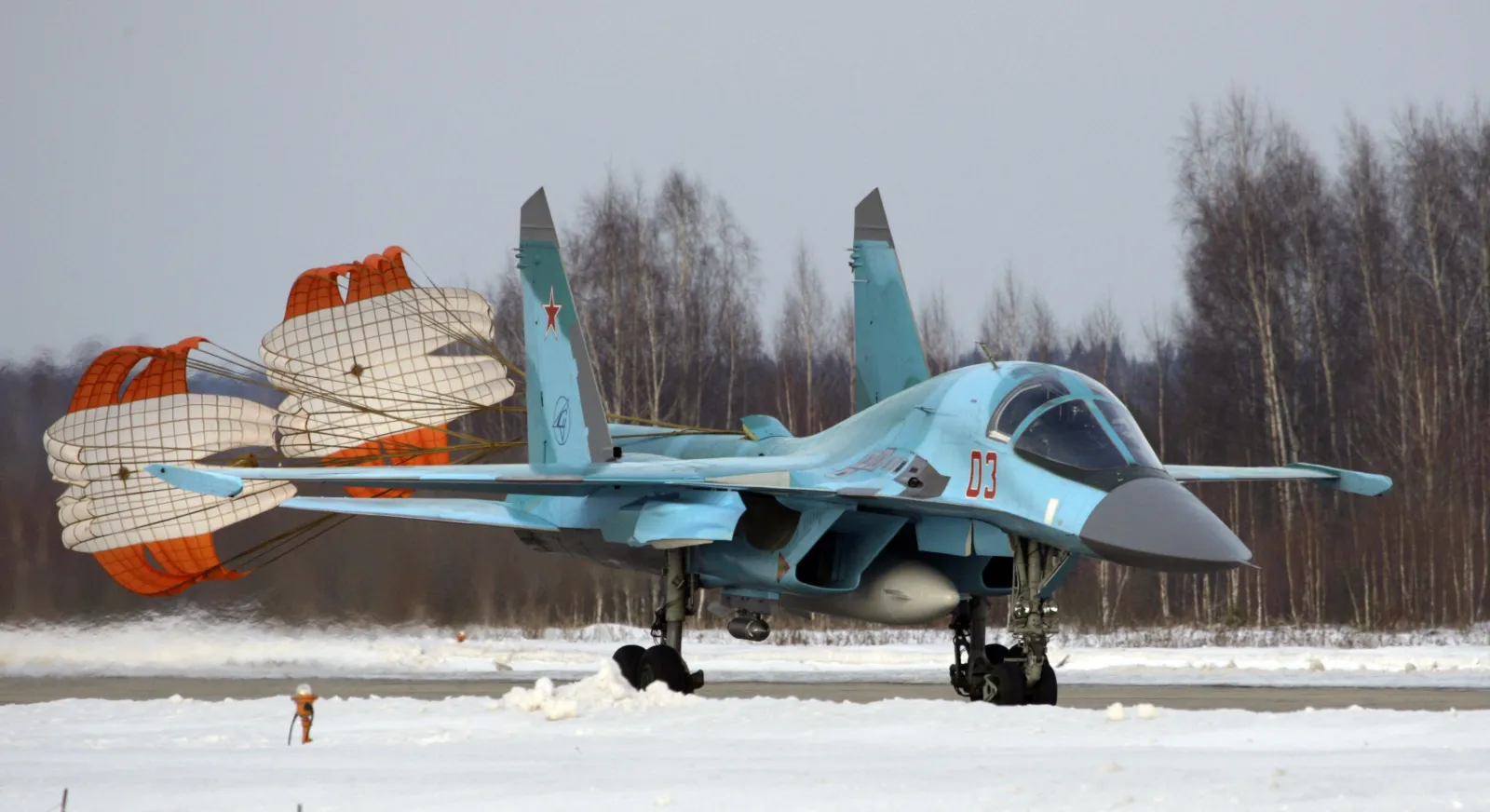
Russian Su-34s are Soviet-designed two-seat fighter-bombers primarily intended to strike land and naval targets using guided and unguided bombs and missiles.
They have been known to drop glide bombs on Ukrainian frontline areas and towns while remaining out of range of Ukrainian air defenses.
“These planes were ready for further strikes against Ukraine and were equipped with aerial bombs,” Zelensky said in a statement on social media. “Russia is prolonging the war, which is why our long-term operations will continue.”
kyiv’s navy said Thursday that equipment used to support air operations had also been assigned to Borisoglebsk, and clarified that the fighter-bombers were upgraded versions of the Su-34M.
Estimates of the cost of the Su-34s vary, but Ukrainian military officials have previously estimated that each plane could cost up to $50 million.
Russia has lost more than 100 planes since the start of the full-scale war with its neighbor in February 2022, according to a British intelligence assessment published on Friday.
Voronezh Regional Governor Alexander Gusev said Thursday morning that 33 Ukrainian drones were intercepted over Voronezh and debris from the destroyed drones damaged several houses and a car. Gusev said alerts had been issued for districts west and southwest of Borisoglebsk, but did not mention military installations.
Ukraine used its locally produced Neptune missiles in the operation, officials said.
The Neptune missiles are notably those which destroyed the Russian flagship in the Black Sea, the Moskvawhich embarrassed the Kremlin just months after the start of the full-scale Russian invasion.
Ukraine previously attacked the Borisoglebsk airfield in July 2025, claiming at the time that Moscow had based several Su-34, Su-35S and Su-30SM aircraft at the site.
Ukrainian strikes on Borisoglebsk the previous year had targeted bomb warehouses, parking areas for Russian fighter jets and aviation fuel storage areas.
Contact Newsweek editors on this story: Ben Kelly and Tony Phillips.
Gn world