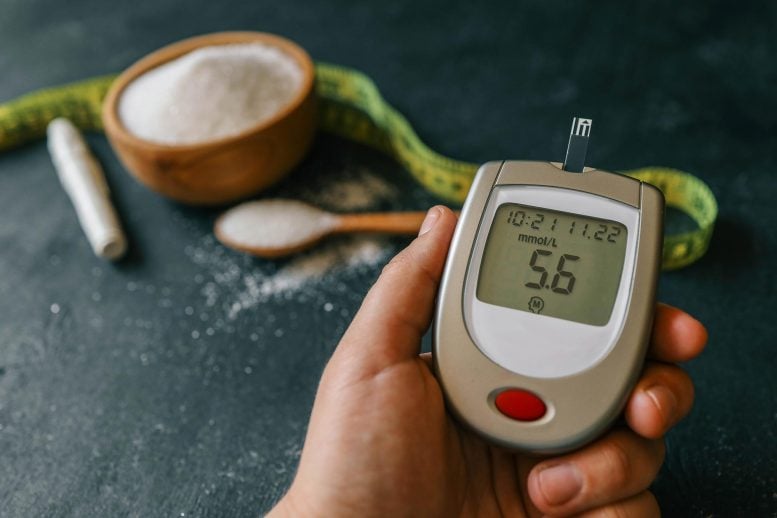
Scientists have found that a simple change in the way daily exercise is distributed could improve blood sugar control, especially in people at risk of type 2 diabetes.
How you spread exercise throughout the day can influence how your body regulates blood sugar. A randomized trial published in Obesity found that short, frequent walks improved several measures of blood sugar regulation more than completing the same amount of walking in a single continuous session.
The differences emerged after six weeks, even though both groups performed similar amounts of physical activity and burned comparable amounts of energy.
Short walking breaks improve blood sugar control
Researchers recruited 30 inactive overweight or obese adults who reported sitting for more than six hours a day. Participants were required to complete 45 minutes of brisk walking five days a week for six weeks, either in a single continuous session or in breaks of approximately five minutes spread throughout the day.
Continuous glucose monitoring showed that the short walking group increased their time in the target glucose range from 82% to 94%. In contrast, the continuously walking group experienced a drop from 89% to 80%.
Participants taking frequent walking breaks also had more stable glucose levels, largely because they had fewer unusually low readings rather than lower average or peak blood sugar levels.
Benefits Beyond Traditional Exercise
Lab tests showed that participants who took frequent walking breaks had more favorable changes in their glucose tolerance, indicating differences in how their bodies cleared glucose from the bloodstream. However, neither approach produced any detectable improvement in insulin sensitivity.
Researchers suggest that repeated muscle activity may influence glucose uptake and use, although the exact mechanisms remain unclear.
“Our results suggest that how we distribute physical activity throughout the day may be just as important as how much we do,” said corresponding author Audrey Bergouignan, PhD, research director at the French National Center for Scientific Research (CNRS) and associate professor at the University of Colorado Anschutz Medical Campus. “Rather than relying solely on a single exercise session, regularly breaking up prolonged sitting with short walks may provide additional benefits for blood sugar regulation, particularly in people at risk of developing type 2 diabetes.”
Implications for diabetes prevention
The results suggest that interrupting prolonged sitting may provide glucose regulation benefits beyond those associated with total exercise duration.
However, the trial was small and lasted only six weeks. There was also a lack of a no-exercise control group, and participants’ diets were not monitored during blood glucose monitoring. Further research is needed to determine whether these improvements translate into long-term health benefits, particularly for people with prediabetes or type 2 diabetes.
Reference: “Interruption of prolonged sitting improves glucose regulation more than continuous walking in adults with overweight/obesity” by Ana J. Pinto, Nathan P. De Jong, Josiane L. Broussard, Chantal Simon, Carlos Mendez, Andrew H. Lange, Laura Schreck, Zhaoxing Pan, Daniel H. Bessesen and Audrey Bergouignan, November 18, 2026, Obesity.
DOI: 10.1002/oby.70349
Never miss a major breakthrough: join the SciTechDaily newsletter.
Follow us on Google and Google News.
Gn Health