

Want to bookmark your favorite articles and stories to read or view later? Start your independent membership today.
Join us today
Already a member? Log in
During the latter part of his campaign to protect Republican fortunes in the midterm elections, Vice President JD Vance has adjusted his approach, talking less about President Donald Trump and focusing more on issues defining his own political identity.
Vance made his argument in favor of Republicans, who ultimately lost control of Congress in Tuesday’s vote, almost entirely through his own political portfolio, according to a review of six speeches given since the Republican convention in September.
He sidestepped signature White House policies, including deportations and the war in Iran, as public polls indicated the president’s waning popularity was leading to the decline of Republican candidates.
Two sources close to the strategy described the pivot as intentional. Vance and his advisers viewed his core themes—economic nationalism, foreign policy restraint, and public safety—as powerful subjects that he could address with authority. As Trump incorporated these concepts into his MAGA platform, Vance positioned himself as their primary proponent, the sources noted.
The tactical shift offers a first glimpse of how the 42-year-old vice president might chart an independent course as Republicans begin to look beyond Trump.
Vance has not indicated whether he intends to run for president in 2028, and Trump has not offered an endorsement. Still, Vance is seen as a potential top candidate who party officials say should inherit a large part of Trump’s coalition while distancing himself from his superior’s political responsibilities.
Vance took more public action Wednesday to bolster his personal political brand with a surprisingly candid election postmortem. Writing on social media, he attributed the Republican defeat to the war in Iran and outlined a strategy for the party’s recovery.
He called for a quick end to the conflict and urged Republicans to focus on affordability, reassess foreign relations and reform the U.S.-Israel relationship.
Trump, on the other hand, has already described voters’ concerns about affordability as a Democratic “hoax.” He launched the military intervention in Iran following prolonged lobbying by Israeli Prime Minister Benjamin Netanyahu, whom Trump later supported in Israeli elections.
This was the first time Vance openly advocated ending the war.
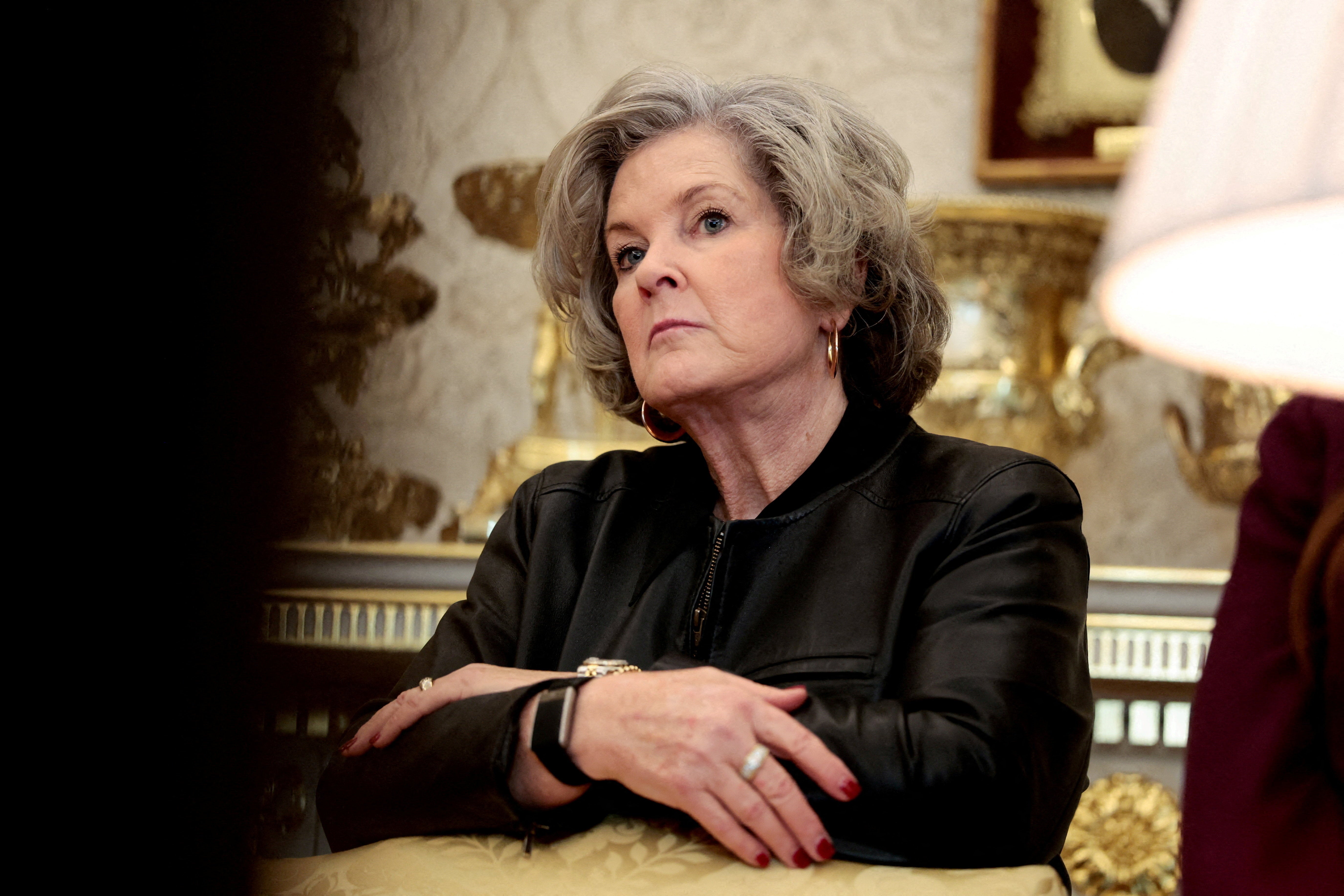
Three people familiar with White House and vice presidential communications said the vice president was not breaking with Trump, adding that White House chief of staff Susie Wiles had advance knowledge of Vance’s message.
On Friday, however, Trump restructured his White House leadership team, replacing Wiles with Stephen Miller — a move suggesting the administration intends to double down on several hardline positions.
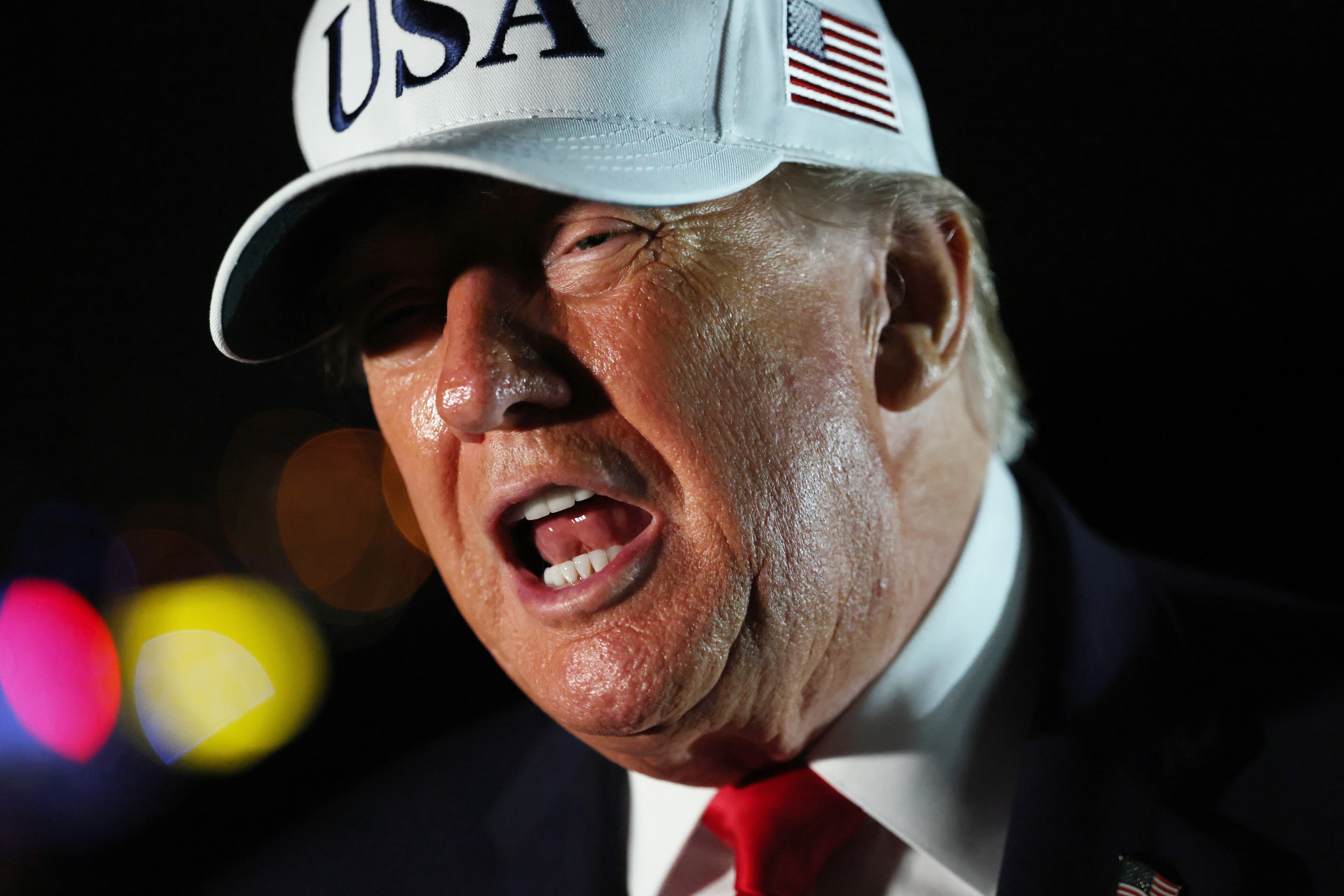
While acknowledging that high gas prices resulting from the Iran war contributed to the Republican defeat, Trump defended the conflict. “I wouldn’t have done anything differently,” he told reporters Wednesday.
It could not be confirmed whether Trump had prior knowledge of Vance’s statement.
Donald Trump Jr., the president’s eldest son, publicly supported Vance’s comment on social media, alongside several conservative allies.
The exchange further elevated Vance as a potential post-Trump conservative standard-bearer, according to Michael Ricci, a Republican strategist and former adviser to House Speakers John Boehner and Paul Ryan.
Ricci noted that Vance’s intervention pushed conservatives to debate the merits of the conflict and think about the core principles that Republican presidential candidates should embrace in 2028.
“It’s simplistic to say he’s looking for ways to differentiate himself from Trump,” Ricci said. “This is him using his vice-presidential megaphone to set the terms of the debate.”
Spokespeople for Vance declined to comment. White House officials referred to Trump’s remarks Wednesday, in which he expressed understanding of Vance’s views on the election results.
Democrats are preparing to tie Vance — or any potential Republican nominee — directly to Trump in 2028, particularly if the president remains central in the selection of potential nominees.
“There’s a real challenge in how you position yourself to be viable in a general election while still winning a primary that still requires bowing down and kissing the ring,” Democratic strategist Igor Volsky said.
Vance’s personal brand did not make it through the midterm elections unblemished. Republicans suffered losses in states where he was stumped, and some tactics he supported — including an ad by Ohio gubernatorial candidate Vivek Ramaswamy questioning sexual abuse reported by victorious Democratic candidate Amy Acton — may have turned voters away from Republicans.

Other potential 2028 contenders have shared their own diagnoses of defeat. U.S. Sen. Ted Cruz of Texas said Republicans haven’t done enough on affordability. Florida Gov. Ron DeSantis argued that defeated candidates spent too much time on transgender issues and neglected voters’ concerns about data centers and artificial intelligence. Secretary of State Marco Rubio remained silent.
Vance’s willingness to frame the conversation was evident throughout the final days of the campaign.
In his campaign speeches, he asked voters to support Republicans in ensuring investigations into fraud within federal health care and anti-poverty programs, linking those topics to the cost of living and the White House immigration agenda. He largely ignored gas prices and the war in Iran, and rarely mentioned Trump by name.
“I want my children to raise a family in a vibrant, prosperous, free, prosperous country. I want simple things,” Vance said at one of his final rallies in North Carolina. “And because I want this for me, I want it for you too.”
Gn headline

