
The B-21 Raider has launched a weapon for the first time as testing of the bomber continues to gain momentum and momentum. This is another significant advancement for the B-21, which the US Air Force hopes will enter operational service in 2027.
The Air Force and Northrop Grumman announced the start of B-21 weapons testing in separate press releases.
“During the test, a B-21 test aircraft flying from Edwards Air Force Base, California, dropped a conventional weapon, validating its digital models and the maturity of its open systems architecture,” according to the Air Force. “This test proves the B-21’s strike capability, its ability to quickly carry new weapons and consolidates its role as the future backbone of the American bomber fleet.”
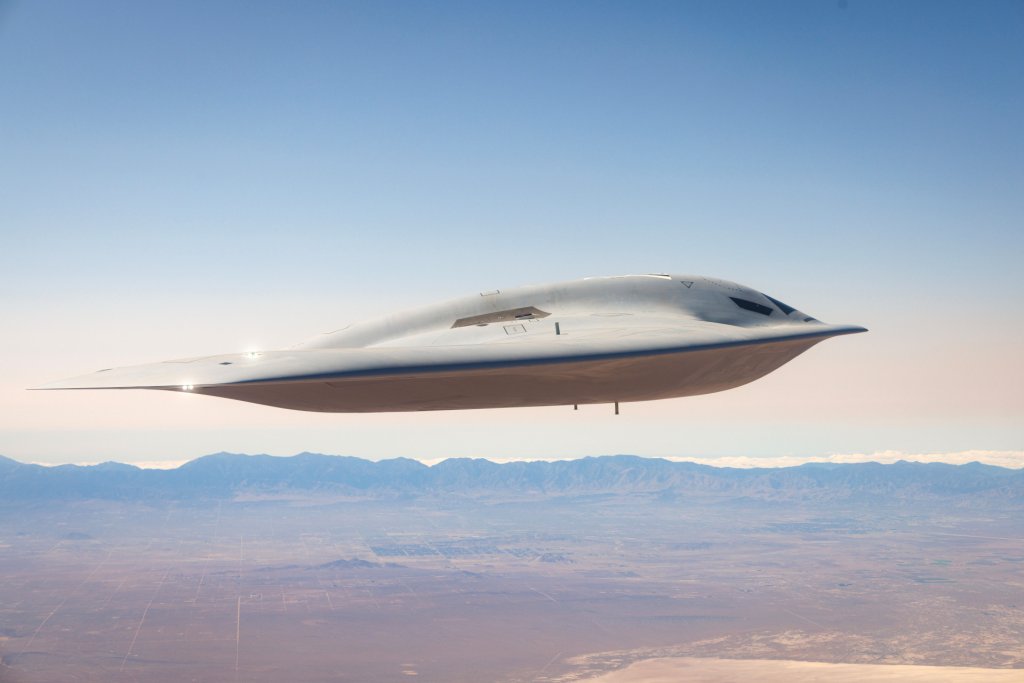
The Air Force release did not name the munition in question or provide further context on the release. The B-21 is intended to carry a wide variety of conventional and nuclear munitions. The nuclear-armed AGM-181A Long Range Stand-Off (LRSO) cruise missile, still under development, is expected to become a particularly key part of the Raider’s arsenal.
At the time of writing, no images of the bomber dropping anything have been released. From what has been seen previously, the B-21 appears to have a single large central weapons bay compared to the two side-by-side bays of the existing B-2 Spirit. The possibility has been raised in the past that the Raider could also have smaller secondary bays, but visual evidence to date does not allow us to conclusively conclude that this is the case.

As the B-21 is also smaller than the B-2, the Raider has a lower gross payload capacity in tonnage. How much less remains unclear. Satellite imagery has recently confirmed that the B-21 is nowhere near as small as the B-2, as many had previously estimated.
“The test execution relied on thousands of hours of virtual modeling in the B-21 digital twin environment,” the Air Force statement added. “This allowed the B-21 Combined Test Force to accelerate weapons integration and predict and refine weapon trajectory with unparalleled accuracy before the aircraft even leaves the ground.”
The Air Force is currently known to have two pre-production Raiders flying out of a planned test force of six aircraft. The service has said in the past that it plans to acquire at least 100 B-21s, but a new target number for fleet size is expected to be released next year. The Air Force and Northrop Grumman announced plans to ramp up production of the bombers earlier this year.
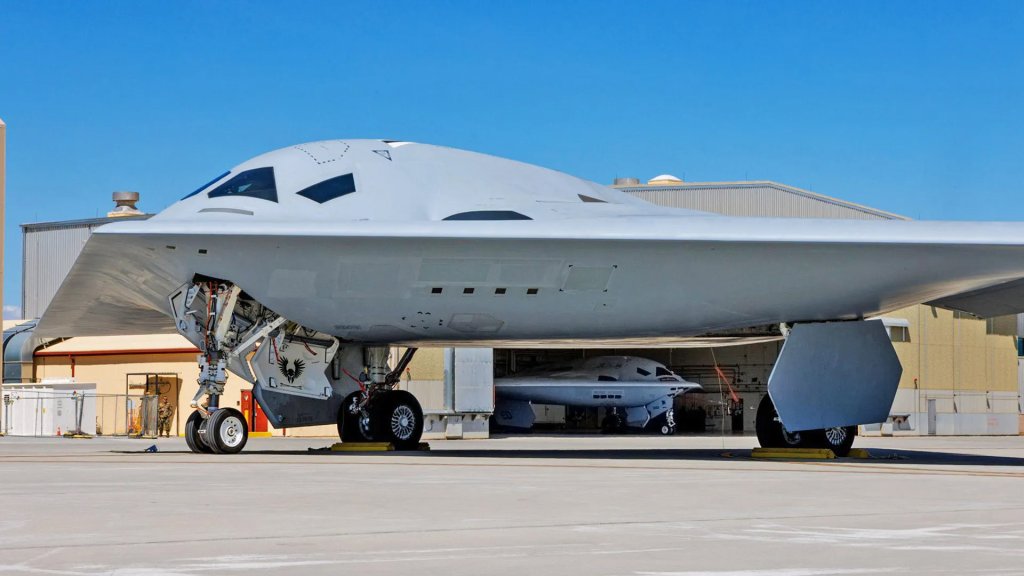
Interestingly, the B-2 made its first flight in 1989 and made its first weapons sorties in 1992, which is similar to the timeline we have now seen with the B-21. However, the B-2 did not reach initial operational capability (IOC) until 1997.
Although it seems relatively late in the process compared to the aircraft’s planned entry into service next year for the B-21 to just begin weapons testing now, development of the Raider was always going to be different. Much of this is attributed to digital engineering and the fact that the first aircraft is very representative of production models. Still, with only two planes in the air, going from first weapons release to IOC within a year is clearly an aggressive ask.
“This weapons test proves that the B-21 program excels,” Air Force Chief of Staff Gen. Ken Wilsbach said in a statement today. “We are building an impressive fleet that will give our joint force credible, penetrating strike options for decades to come. »
The Air Force, as well as members of Congress, have consistently described the B-21 program as a model acquisition effort in terms of staying on schedule and on budget, despite past obstacles. The testing regime has continued to expand since the Raider’s first flight in 2023. Testing over the past year has been increasingly focused on validating key operational capabilities, including the aircraft’s ability to refuel in flight.
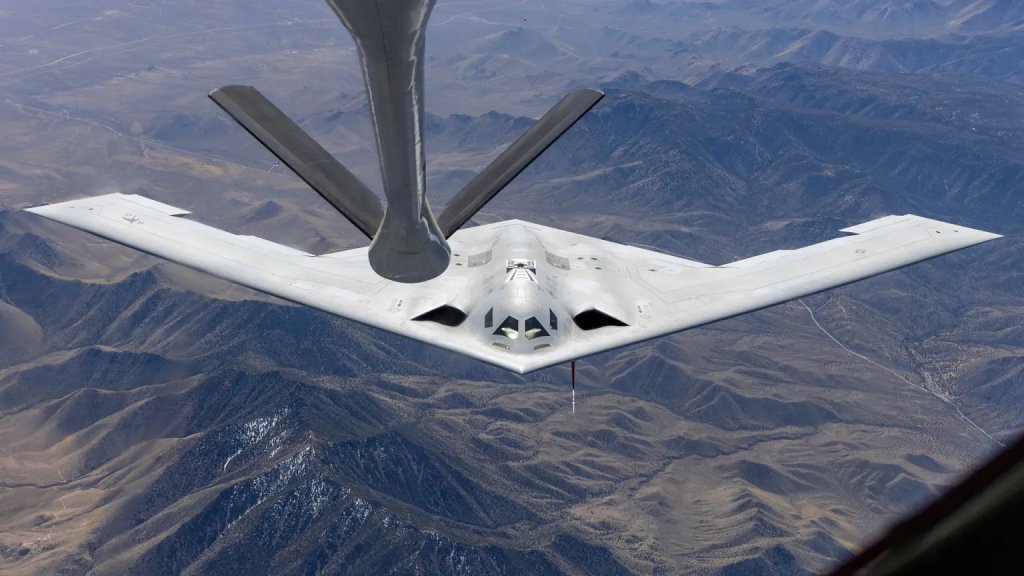
“The B-21 proves in testing what it promised on paper: It is the most advanced bomber in the fleet, and it performs more like a modern fighter than a traditional bomber in terms of maintenance times and cost per flight hour,” Northrop Grumman said in today’s press release. “The B-21 sets new benchmarks in hardware reliability, weapons loading and rapid data collection – all strong indicators that it is on its way to becoming a true daily flyer.”
“Northrop Grumman has already conducted fatigue testing months ahead of schedule, validating the strength and resiliency of the B-21 design,” the company statement added. “On the flight line, the combined test team is pushing a steady pace, consistent with the War Department’s call to operate on a solid foundation in wartime. Each sorties adds to a growing body of data and confidence, bringing the B-21 closer to integration into the operational fleet.”
Air Force officials also decided how the B-21 crew will be crewed during operational missions, with two pilots in the cockpit. The service announced in June that an operational test pilot, rather than a development pilot, had flown a Raider for the first time.
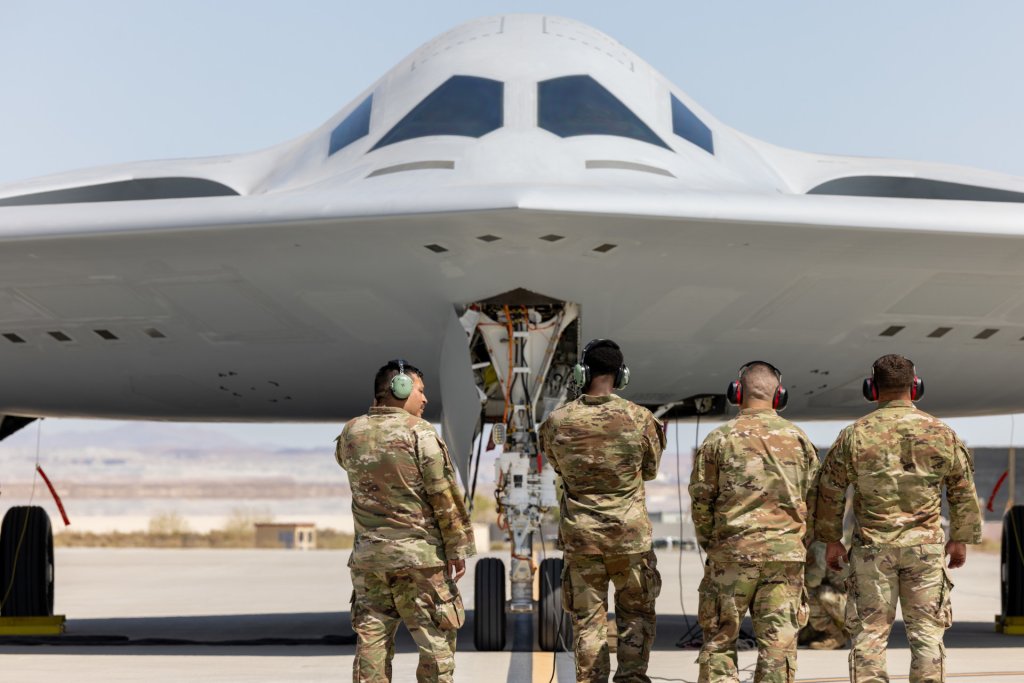
“The B-21 Raider offers exceptional payload flexibility, giving commanders the ability to tailor weapons loads to a wide range of mission requirements, from long-range strikes to operations in heavily defended airspace,” Northrop Grumman also notes in its statement. “The B-21 is also adaptable by design, allowing it to integrate new weapons and capabilities over time, allowing it to stay ahead of evolving threats and maintain its role as a sixth-generation stimulation system.”
It is worth noting here that the Air Force has described the B-21 as also having multi-mission capabilities that go beyond air-to-ground/ground strikes. The service confirmed last month that this could potentially extend into the air-to-air combat domain. The hope that the Raider is more than just a bomber is something TWZ had been hyped for years before the plane was even revealed.
More information about the Air Force’s plans for use of its B-21 fleet may well continue to emerge as the service moves closer to fielding the Raider. Bases are already being prepared for the expected arrival of the first operational B-21s at Ellsworth Air Force Base, South Dakota, next year.
“The B-21 is designed to deliver enhanced combat capability to the warfighter, combining reliability and maintainability to rapidly integrate new weapons,” Secretary of the Air Force Troy Meink said in a statement today. “This successful test demonstrates our ability to adapt quickly and put any target at risk if deterrence fails. »
Contact the author: joe@twz.com
Gn usa

