Want to bookmark your favorite articles and stories to read or view later? Start your independent membership today.
Join us today
Already a member? Log in
An increase in older Americans’ Medicare Part B premium is expected to eat into the larger Social Security payments they are expected to receive next year.
Recipients will get a 3.6% increase in their Social Security checks starting in January, bringing their average monthly payments to $2,170.
While an extra $75 a month helps alleviate some of the financial pressure many Americans face, especially seniors on fixed incomes, not everyone will see all that money through increased Medicare Part B premiums.
Older Americans with Medicare Part B — which covers doctor visits, outpatient hospital services and other health services not covered by Medicare Part A — will see their monthly premiums increase next year by $6.50 to $209.40.
The federal Centers for Medicare and Medicaid Services said the premium was largely due to expected increases in health care costs.
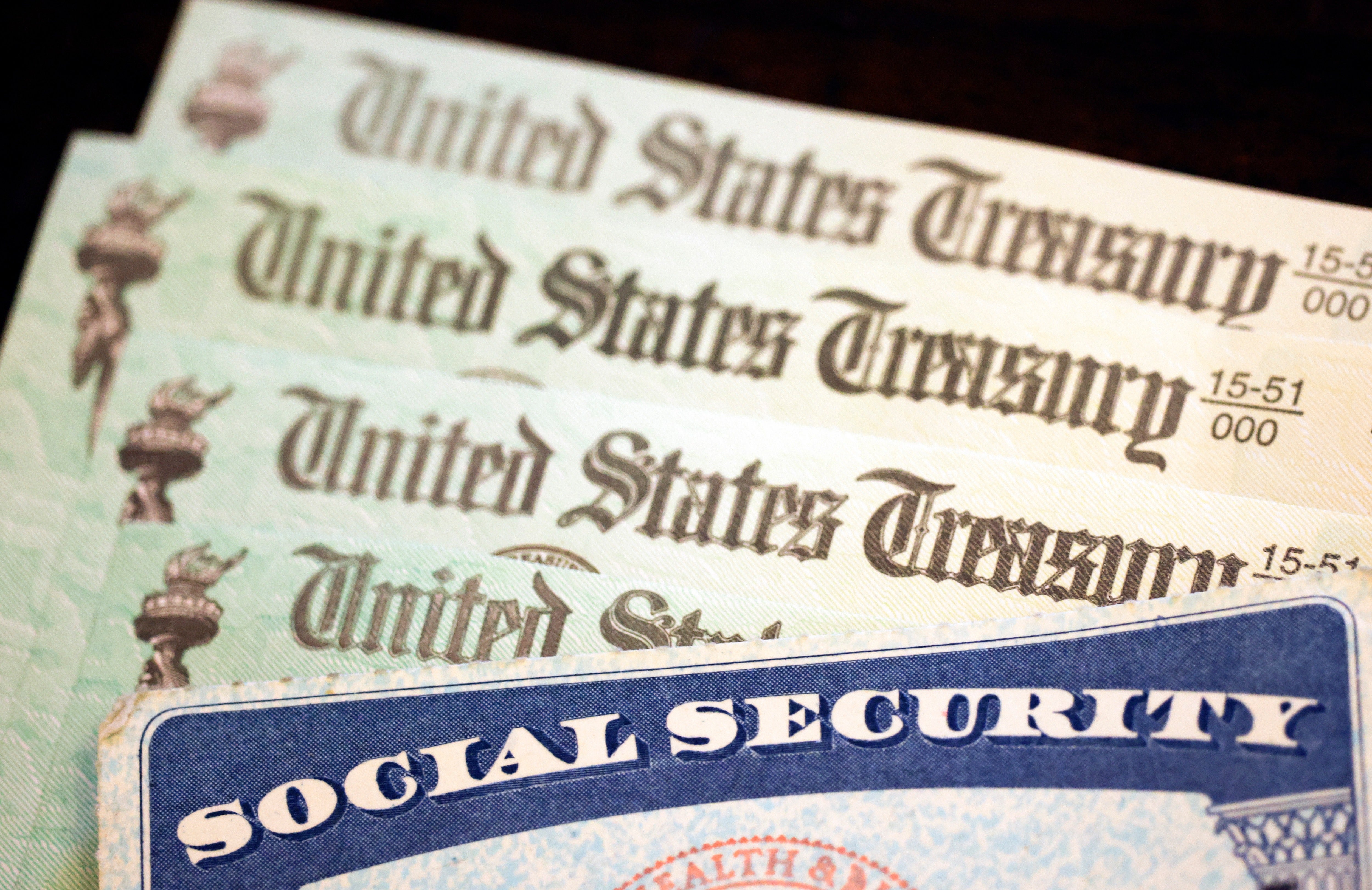
Most Part B enrollees have their premium removed from their Social Security payments, leaving them with less income available for housing, food and other basic necessities, AARP explains.
The 3.6% cost of living adjustment for next year was determined by looking at the federal government’s consumer price index from the third quarter of 2025 to the third quarter of 2026.
Costs continued to rise, with food prices up 0.5 percent, energy prices up 0.7 percent and prices of all other items up 0.3 percent in October compared to September, according to the latest Consumer Price Index.
Notably, the $2,170 monthly check is an average estimate of Social Security benefits. Many older Americans are receiving much smaller checks, meaning that if their Medicare Part B premium is withheld, they end up with even less money, NewsNation reports.
Health care will be a major part of Democrats’ agenda after they take control of the House and Senate in January.
Democratic lawmakers will likely try to restore COVID-era Affordable Care Act subsidies to reduce premiums and reverse President Donald Trump’s Medicaid cuts.
But Senate Democrats are almost certain to run into problems with the filibuster, and even if they pass legislation, it will have to be signed by Trump, who has made clear he is not afraid to use his veto.
Gn bussni