Men are lagging behind women in the use of Lenacapavir, a long-acting HIV prevention shot introduced by the government in March this year, new figures show.
Data from the National AIDS and STI Control Program (Nascop) shows that around 11,000 women received the twice-yearly injection, compared to around 3,500 men.
Figures show that around 15,800 Kenyans received their first dose during the initial phase of the programme, which targeted 15 counties with a high HIV burden.
Lenacapavir is an antiretroviral drug given every six months to prevent HIV infection. It is also used to treat multidrug-resistant HIV-1.

Doctors say replacing daily pills with monthly injections could transform HIV treatment and prevention.
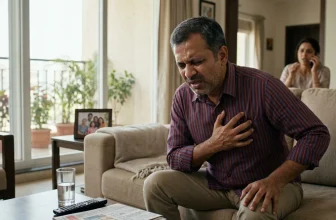
Photo credit: Pool
Kenya received 21,000 initiation doses from the Global Fund in February to support the rollout, which covered 158 health facilities in 15 counties.
However, limited supplies have slowed the program. Health facilities administered 14,446 initiation doses between February and July, and the vaccination rate peaked in April before falling as supplies dwindled.
Nascop director Dr Andrew Mulwa said the government was waiting for more doses from the Global Fund to address the shortage.
“The biggest challenge we face is insufficient supply. We are currently waiting for an additional 12,000 doses from the Global Fund,” he said.
The program also sees low participation among adolescents, with only about 500 adolescents having received the injection. This is particularly worrying, given that girls aged 15 to 19 account for three in ten new HIV infections in the country.
Dr Mulwa said the initial response showed lenacapavir could attract people who had not previously considered HIV prevention services. It noted that nine out of 10 people who requested the shot in February had never used pre-exposure prophylaxis (PrEP).
“The data tells us that lenacapavir will attract new people to HIV prevention, not just displace existing users of oral PrEP,” he said.
The gender gap has raised concerns about what keeps men away from HIV prevention services, including stigma, misconceptions and attitudes towards health care.
Michael Onyango, of the Kenya Men’s AIDS Movement, said the figures reflect long-standing difficulties in getting men to take up HIV prevention and treatment services.
He cited fear of a positive test as one of the factors that discourages men from using preventative medications. According to Mr. Onyango, some men fear that going to health facilities for HIV-related services could make others suspect that they are living with the virus or engaging in behavior linked to HIV risk.
He said misconceptions about the injection also contributed to this reluctance.
“Some men worry about side effects, pain at the injection site or unfounded myths, such as the fear that an injection near the reproductive area could cause impotence. People receiving such injections should follow appropriate counseling in order to be psychologically prepared,” he said.
Mr Onyango called for community awareness campaigns to combat misinformation and help men seek HIV prevention services without fear of discrimination.
“There is an urgent need for a community awareness campaign to reassure people, especially men, that whatever their status after testing and treatment, everything will be fine and this is not the end of their lives,” he said.
He also warned that inadequate counseling and psychosocial support could lead to emotional difficulties among people, particularly those who receive a positive HIV diagnosis.
Kennedy Otina, executive director of the Masculinity Institute, attributed men’s low participation in part to attitudes related to traditional expectations of masculinity. He added that many men tend to ignore health problems and delay seeking medical attention until their condition becomes serious.
“The way men are created, they normally don’t want to assume they are sick. They rarely go to hospital and usually only go when they are seriously ill. So this could explain why they have difficulty getting the HIV injection when they are not feeling sick,” Mr Otina said.
He argued that the perception that men should always appear strong, healthy and productive often prevents them from recognizing their health needs.
Mr Otina said sustained public education was needed to encourage men to view HIV testing and prevention as part of routine health care, rather than something to pursue only when ill.
He also criticized the health care environment, saying some facilities and health workers did not adequately address the needs and concerns of male patients.
“Men feel that the health environment, which includes health workers, does not seem to favor them, which is why most of them are hesitant to seek treatment,” he said.
Fear of a positive diagnosis, uncertainty about available support and community stigma remain among the concerns that experts say need to be addressed to improve adoption.
The latest HIV estimates also highlight persistent gaps in prevention, diagnosis and treatment, particularly among children and young people.
Kenya has an estimated 1,481,853 people living with HIV, with prevalence among those aged 15 to 49 standing at 3.22 percent. The country recorded around 13,936 new infections.
Women represent the majority of people living with HIV, with 965,699 compared to 516,154 men. They also represent a larger share of new infections, estimated at 9,044 compared to 4,891 among men.
Children, adolescents and young people account for 55 percent of new infections, highlighting the need to strengthen prevention among these groups.
Of the 69,330 children aged 0-14 living with HIV, only 79% know their status, leaving more than 14,000 undiagnosed. About 60 percent receive antiretroviral treatment, while only 52 percent have achieved viral suppression.
Estimates for 2026 put the number of AIDS-related deaths in the country at 19,434, including 17,167 adults and 2,226 children. Children account for 11.5 percent of these deaths, although they represent 4.7 percent of the population living with HIV.
The AIDS-related mortality rate among children is estimated at 32.1 per 1,000, compared to 12.2 among adults. Nairobi, Homa Bay and Kisumu recorded the highest number of these deaths.
Dr Mulwa said the government was expanding early infant diagnosis and strengthening efforts to ensure mothers living with HIV remained on treatment, to reduce infections and improve child outcomes.
Follow our WhatsApp channel for the latest news and more stories like this.
Gn Health