
Proponents of Proposition 40 say the tax would help make up for federal medical cuts. But as Newsom considers a presidential bid, is he also considering the impact it could have on donors and voters?
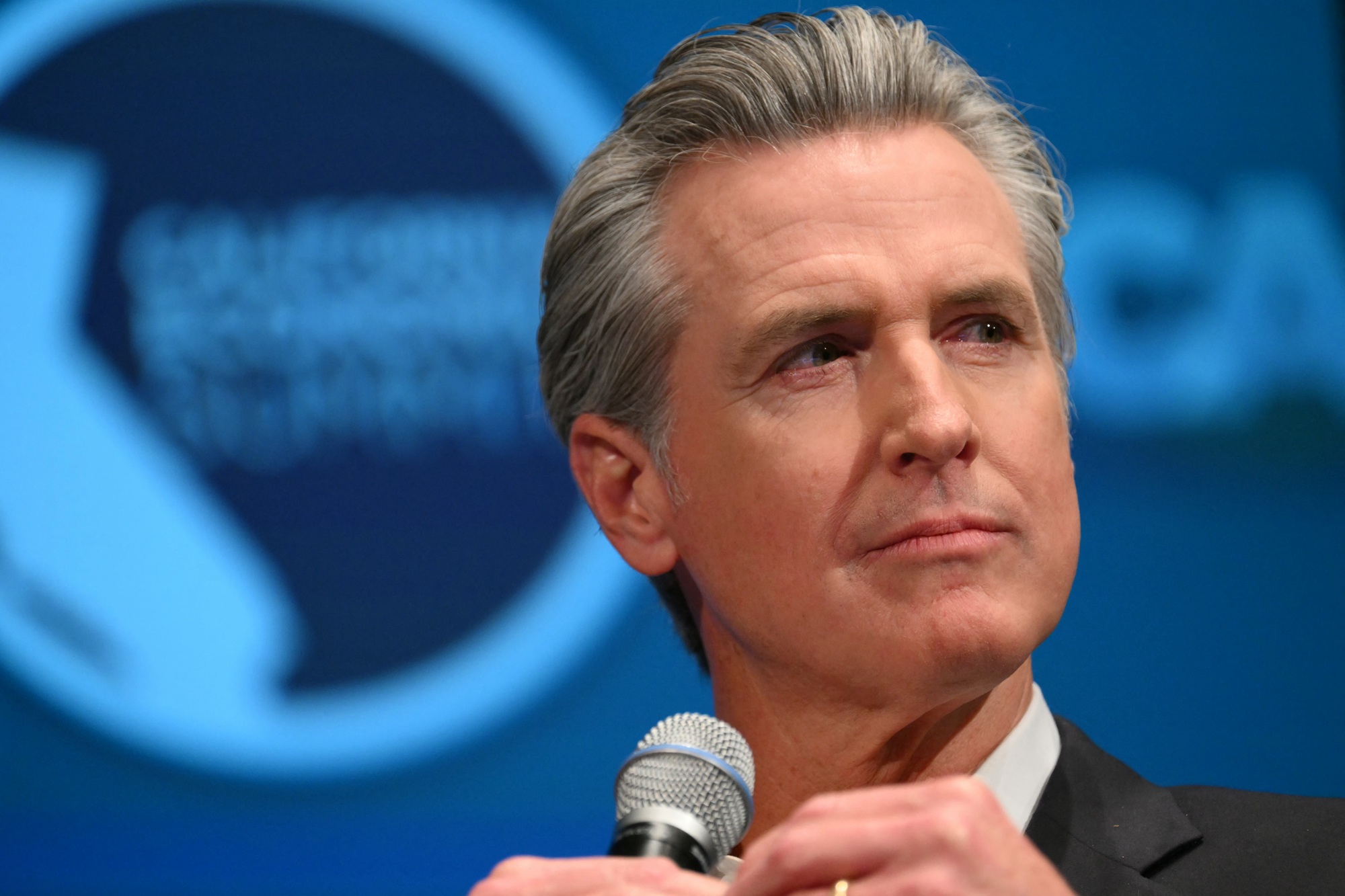
Governor Gavin Newsom attends the California Economic Summit in Long Beach, California on October 14, 2026. With polls indicating a tight race, some billionaires appear to be bracing for the possibility of a tax pass. (Patrick T. Fallon/AFP via Getty Images)
Hearing Gov. Gavin Newsom talk about billionaires and inequality, you’d think he’d wholeheartedly support a proposal on California’s November ballot that would levy a wealth tax on the wealthiest Californians to help pay for health care.
In a video posted to his Substack channel and YouTube in June, Newsom claimed the country’s tax system was “fundamentally broken.”
“Think about this: Only 10 percent of the population, 10 percent of the country’s population, owns two-thirds of the wealth. A 30-year-old man, for the first time in American history, is no better off than his parents. That’s a wake-up call,” he said. “It’s time for an economic reset, a real minimum tax. A real minimum tax on billionaires that would ensure that people at the top pay at least the tax rate that their own workers pay.”
But like many leading Democrats and some of their strongest allies in this deep blue state, the governor is opposed to Proposition 40.
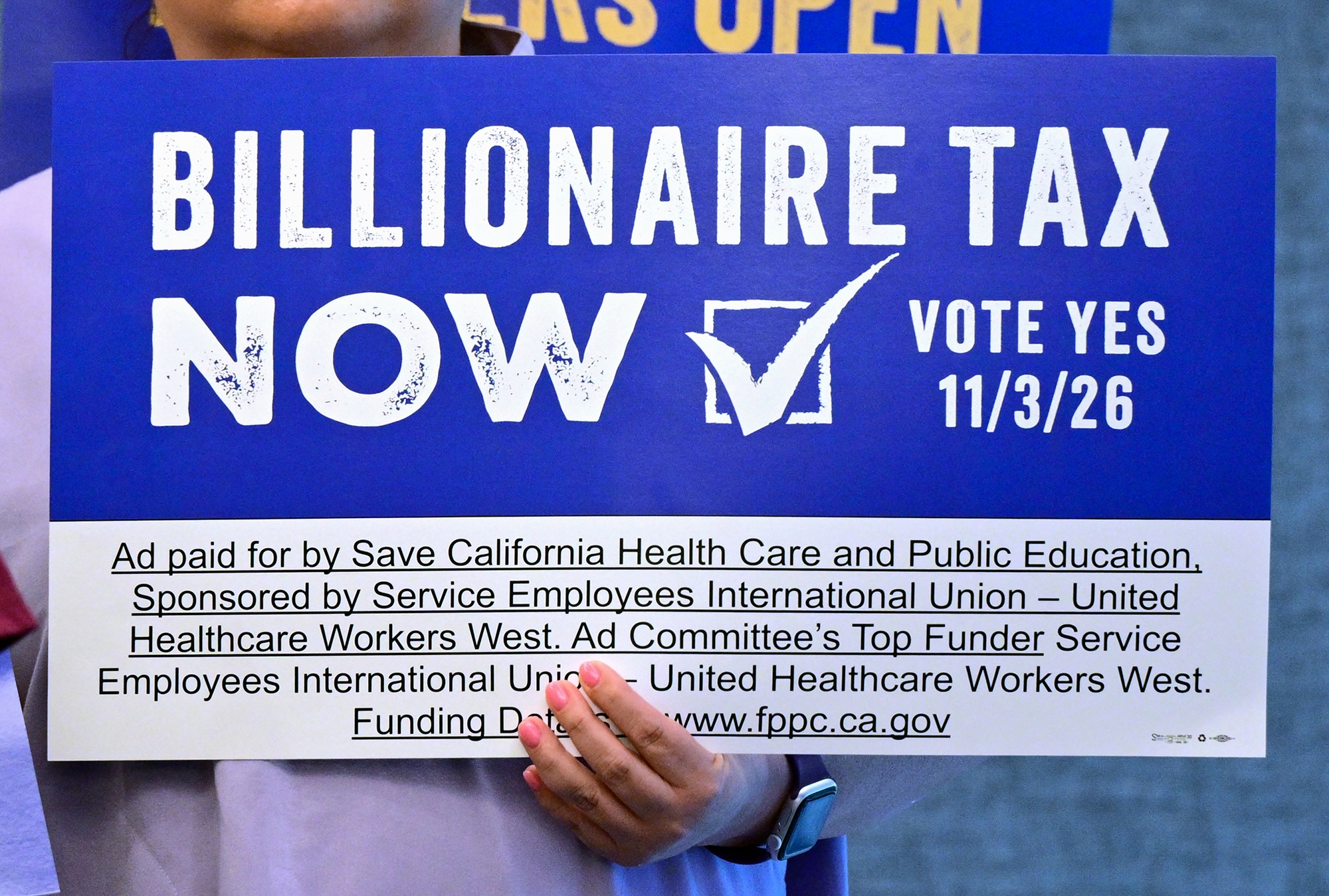
The ballot measure, proposed by a health care union, would impose a one-time 5 percent tax on the overall wealth of the state’s roughly 200 billionaires. The money would be used to back significant federal budget cuts to Medicaid, which provides health insurance to low-income Americans, including nearly 15 million Californians.
Newsom argued that Proposition 40 was bad for California. He said this type of tax should be imposed nationally, so billionaires don’t pack up and leave the state. And he insisted that the tax would end up hurting the state budget more than it would help, driving wealthy entrepreneurs and their businesses to other states where the tax burden is less.
“He’s made no secret of it: He’s going to run for president. And that’s why he’s not just opposed to Proposition 40. He’s campaigning vehemently against it because he needs these billionaires on his side,” Chakrabarti said.
But billionaires may not be Newsom’s only audience. Fernando Guerra, a political science professor at Loyola Marymount University, said he believes Newsom’s opposition to the billionaire tax will help him find the centrist Democrats he will need to win the Democratic nomination in 2028.
“It defuses him as a total left-hander from California,” said Guerra, who predicted the tax would be voted down.

If he loses, Guerra said, it will only give more fuel to Newsom — especially since the coalition opposing the tax includes the California Teachers Association and some other large unions with political muscle. Guerra said the coalition allows Newsom to make a credibility argument and not just with moderate Democrats.
If he loses, “he’ll say, like he did with the (unsuccessful 2018 gubernatorial recall) and other things, hey, the voters spoke and they defeated this thing. And I was on the right side. I was on the side of the majority of voters in California, just like I’ll be on the right side with you,” he said.
Jim Kessler of the center-left think tank Third Way said that while more left-leaning candidates might attack Newsom in a presidential primary for his opposition to Proposition 40, those criticisms could backfire.
“That could help him, even in a Democratic primary, because the main question for Democratic voters in presidential elections is, is this person electable? And they don’t think someone who is too progressive is electable,” Kessler said. “No one believes that California is an under-taxed state. So, no one believes that there are all kinds of tax breaks for people and rich people in California.”
One of the billionaires planning to support Newsom in 2028 is Chris Larsen, who has donated more than $12 million to oppose Proposition 40. Larsen said on KQED’s Political Breakdown podcast that he thinks the explosion of AI is one of Newsom’s biggest assets in a presidential campaign.
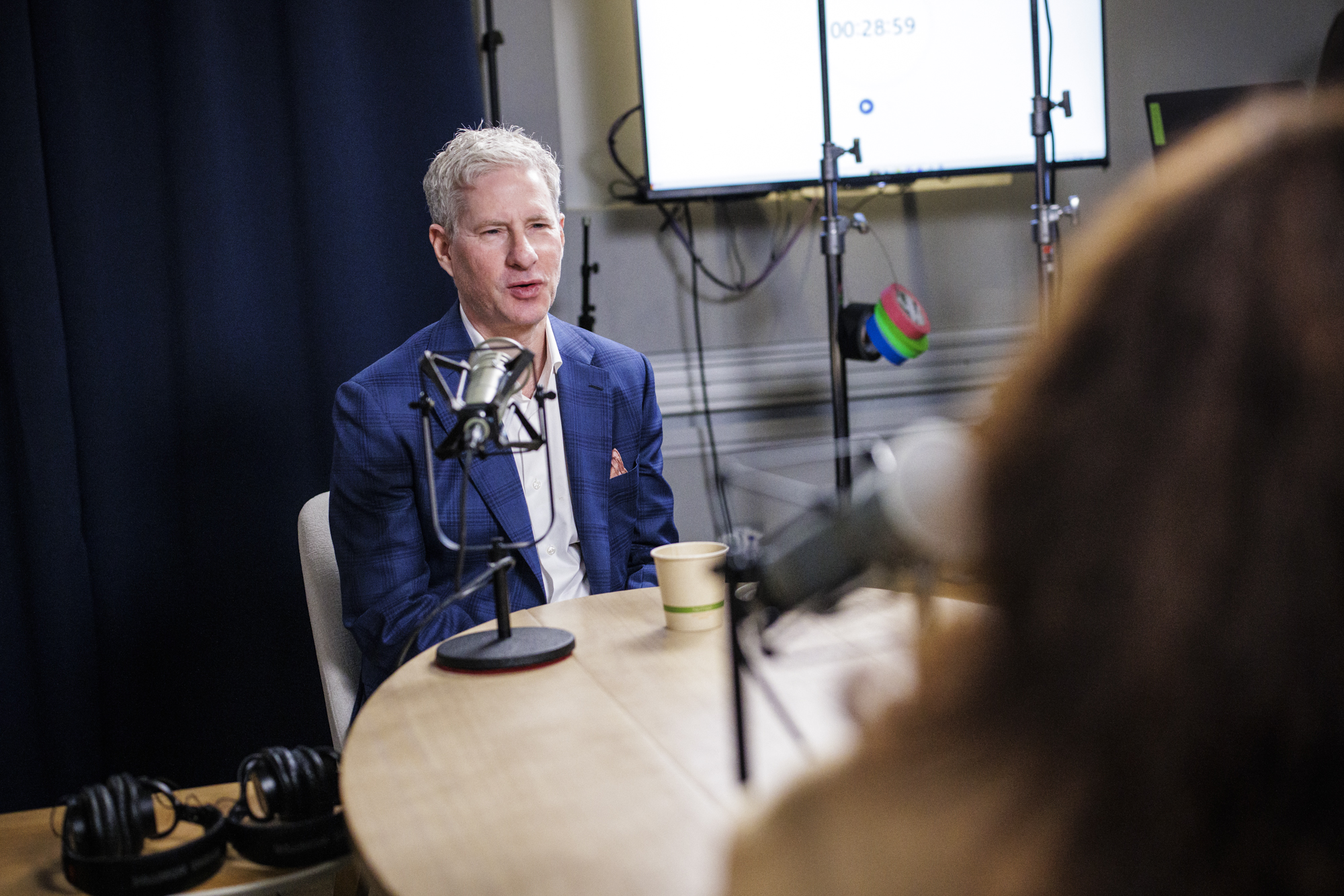
“You mean he comes from the fourth largest economy in the world that has seen the most job creation?” he said, joking that the state is “so fucked up that it’s the center of the most powerful technology ever created.”
These AI founders could have gone to Miami or Austin, he said.
“They’re not there. They’re all there,” he said. “California is kicking ass.”
But the politics of the proposal appear to be more complicated than both sides are letting on: Some prominent California Democrats have deliberately remained silent on the tax — including former Vice President Kamala Harris and former House Speaker Nancy Pelosi, appearing to want to stay out of a fight between deep-pocketed donors and unions.
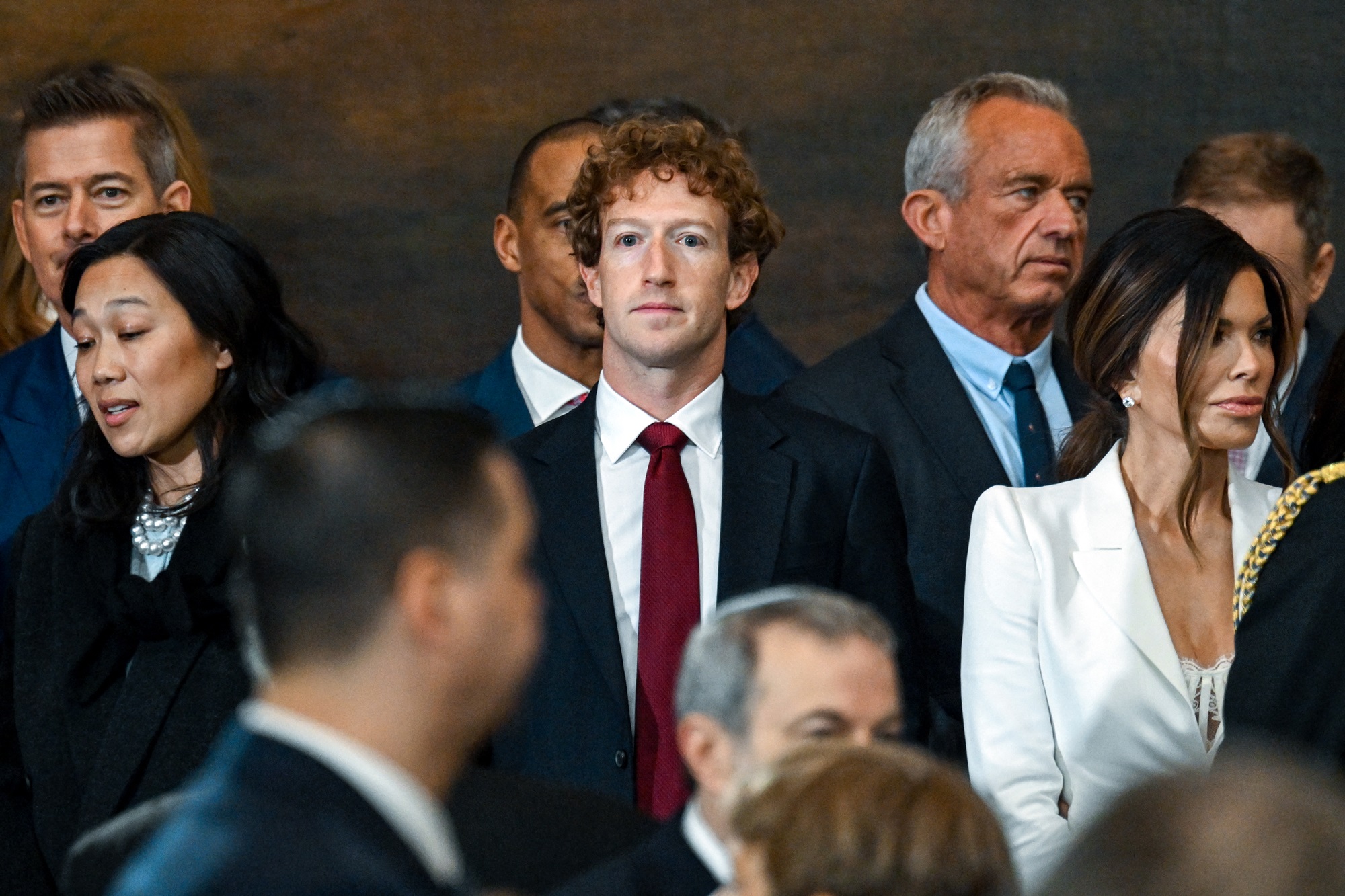
And while polls indicate a tight race, some billionaires appear to be bracing for the possibility of the tax’s passage: Last week, Meta struck a new deal with CEO Mark Zuckerberg to keep him in California after Zuckerberg warned he was considering leaving the state if Proposition 40 passed — giving him a new class of non-voting stock that he could sell to pay a multibillion-dollar tax bill.
Meanwhile, proponents of Proposition 40 are becoming increasingly vocal about their disappointment in the governor — and their sense that his opposition to the tax is politically motivated.
On Friday, the Yes on Prop campaign. 40 announced new TV and digital ads shouting out Newsom.
But these ads are not running in California, where the yes camp is largely outnumbered: they are running in key early presidential primary states, including South Carolina, Nevada, New Mexico, Virginia and New Hampshire.
Dave Regan is president of SEIU-UHW West and the architect of the billionaires tax. In a July interview with KQED Political breakhe noted reports that Google co-founder Sergey Brin — who has been the most prolific contributor among the tech billionaires who oppose Proposition 40 — confronted Newsom about the wealth tax in a treehouse at Larsen’s party last winter.
“I don’t go to tree parties with billionaires. I think most Californians don’t go to tree parties with billionaires,” Regan said. “He doesn’t live in the same world and he’s trying to raise hundreds of millions of dollars from these people… he’s acting like a politician with a campaign problem and not like a governor with a health problem. »
Gn usa

