Your cat appears in the kitchen just as you grab his food bowl. One feeding choice has appealed to many dedicated cat owners, while veterinarians are urging a closer look. It’s a disagreement that follows you all the way to the pet food aisle, until what you put in his bowl tonight.
In brief
- Veterinarians advise against feeding cats raw animal foods.
- Raw pet foods can contain salmonella and listeria which put cats and humans at risk.
- Raw cat food recalls in 2025 brought H5N1 avian flu into the picture.
- Cooking poultry to 165°F kills bacteria and viruses, including H5N1.
Raw food diets worry veterinarians
See in gallery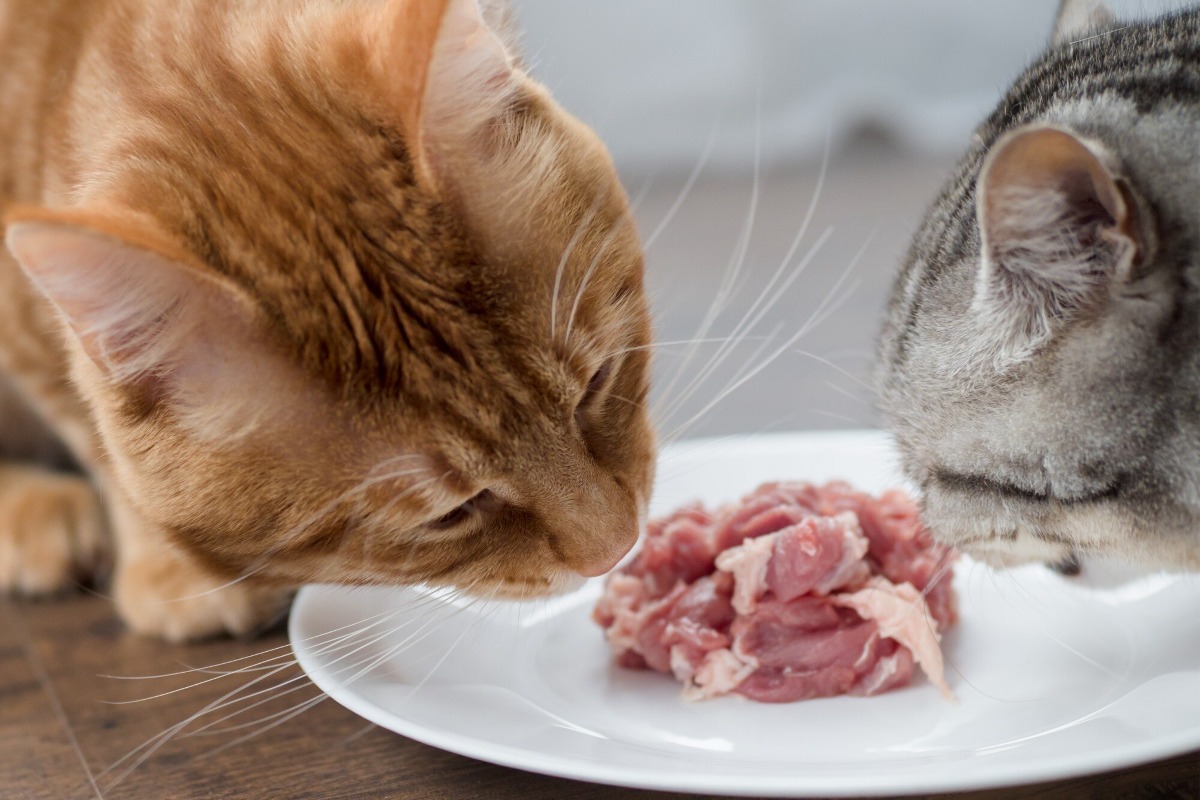
You put your cat’s bowl on the kitchen floor and she comes running. It’s easy to understand the benefit of giving him food that seems closer to what a cat would eat on its own. To veterinarians, however, the word “raw” indicates what the food has not undergone: a process that eliminates germs.
The American Veterinary Medical Association has discouraged feeding cats and dogs unprocessed animal proteins since it first approved its raw food policy in 2012. The FDA and CDC share this concern. Bacteria in raw foods can affect the cat that eats them as well as people and other animals that share the home.
It even counts when your cat seems satisfied with his dinner. You handle the food, put the bowl down and then clean up. A choice that starts with your cat’s dish extends to the rest of your kitchen.
Contamination has appeared in raw pet food
This concern is supported by dietary testing, not just disagreement over what cats should eat. In an FDA study of 196 raw pet food samples, 15 tested positive for Salmonella and 32 for Listeria monocytogenes. Both are bacteria that the FDA identifies as a hazard in raw pet foods.
Then the avian flu put raw cat food in the spotlight. In March 2025, Wild Coast Raw recalled certain frozen chicken cat foods after possible H5N1 contamination was linked to cat illnesses and deaths in Washington and Oregon. Savage Pet also recalled raw chicken cat food shipped to retailers in 5 states due to potential H5N1 contamination.
Later that year, the FDA confirmed the presence of H5N1 in 2 lots of RAWR raw chicken cat food after a San Francisco cat became ill and was euthanized. These were specific products and events. For everyone watching her cat wait for dinner, they made the reason behind the vet’s advice clear.
A safer meal still needs balance
Heat provides a direct means of combating germs present in poultry. The CDC says cooking poultry in raw pet food to an internal temperature of 165°F kills bacteria and viruses, including H5N1. This is a more reliable approach against these germs than serving the meat raw.
Your cat also needs the right mix of nutrients over time. Raw diets that are not formulated to be complete and balanced have been associated with taurine deficiency and inappropriate calcium-to-phosphorus ratios. Bones in raw foods can cause a serious blockage in a cat’s digestive tract.
When choosing a food, the goal is to get a meal that is safe to serve and meets your cat’s nutritional needs. Your veterinarian can help you find one that does both.
The limit
Cooking poultry eliminates bacteria and viruses, but it alone is not enough to make a homemade cat diet complete and balanced. The 2025 recalls involved specific products, not all raw foods sold. If you’re considering changing what’s in your cat’s bowl, ask your veterinarian about a diet that meets your cat’s needs without relying on raw animal foods.
Gn Health