
Ford’s upcoming Fathom electric truck — expected to arrive early next year — is priced at a reasonable $28,350, especially since the average transaction price for a new electric vehicle is closer to $55,000. But the added bonus is a feature that could save you money and literally save you bacon.
The automaker’s “clean slate” reboot of its electric vehicle ambitions will be offered with bi-directional charging, which allows the truck to send power from its battery back to the home it’s plugged into. This could allow the lights to stay on and the refrigerator to operate during an extended power outage.
Historically, true two-way power has been a premium feature on the most expensive electric cars and required additional, expensive home hardware. Ford says it brings costs by integrating the technology into what will be its cheapest electric vehicle yet and making it more accessible to a wider range of owners.
So far, Ford hasn’t revealed much about the electric truck beyond the name and camouflaged prototypes.
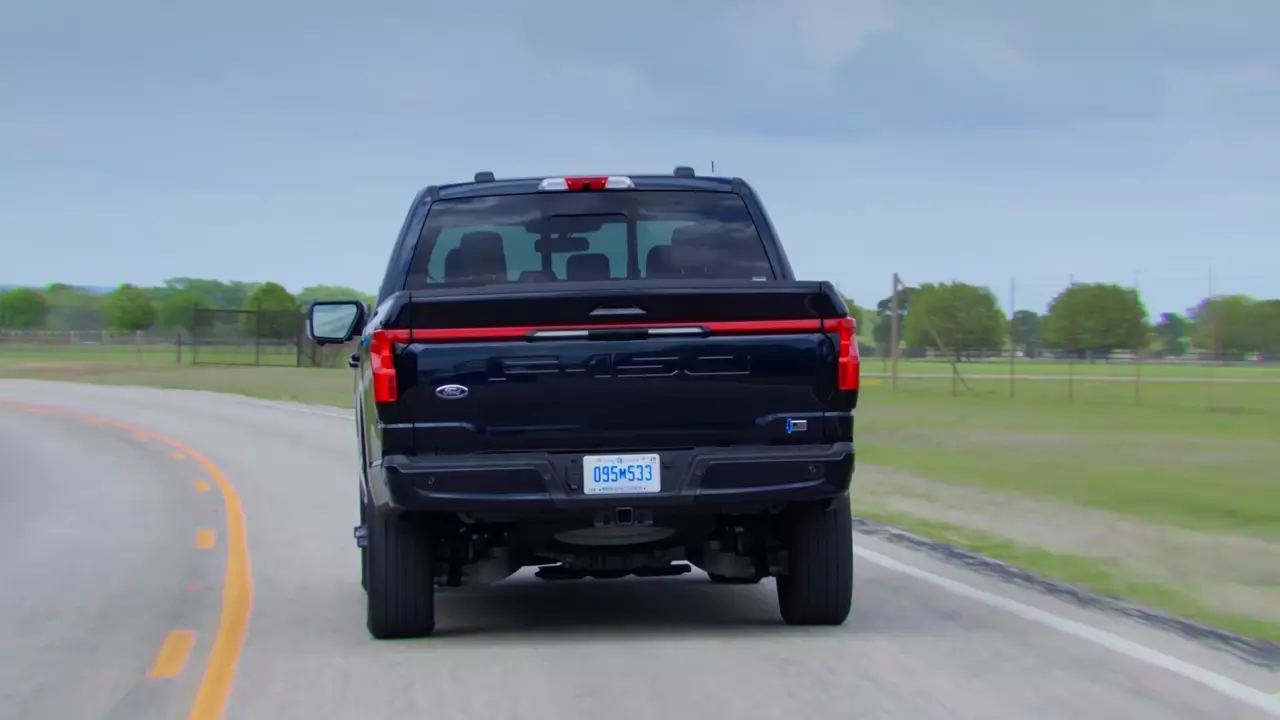
Ford Fathom and universal EV platform
The next Fathom will be based on what Ford calls its Universal EV platform, designed with help from its 2023 acquisition, startup Auto Motive Power, with two-way power in the plate from the start.
The hardware needed to invert DC energy from the battery into an estimated 10 kW AC household power will be integrated into the truck, so it will not require a separate wall-mounted inverter box. Ford says the Fathom system will meet all applicable UL 1741 requirements and IEEE 1547 standards to ensure the vehicle is securely connected to the network.
As for the hardware you plug into your car, all signs point to the Fathom using the NACS plug type pioneered by Tesla and now widely adopted by new electric vehicles in North America.
In terms of the communications standard – the one that governs how AC power is routed from the slim wall box to the car’s onboard charger – it will be via SAE J3068, a software protocol developed for high-power, rugged AC charging.

Not completely without hardware
Ford says integrating power delivery hardware directly into the vehicle reduces the cost of Fathom’s wall charger, making it easier for owners who need multiple chargers, whether for a multi-EV household, second home, or detached garage. In other words, you pay once for advanced two-way technology (built into the price of the vehicle) rather than purchasing it multiple times for each wall outlet you want to install around your property.
However, while Fathom’s Universal EV Platform eliminates the need for a wall-mounted inverter box, it doesn’t completely bypass the need for additional hardware to prepare your home to accept bi-directional power.
Let’s say you want to take advantage of the Home Power Management feature to draw power from the Fathom’s battery when power is cheapest, then use that power to offset usage at peak times when power is most expensive. You will need to install at least the Ford Home Power Station in your home, at an additional cost.
The automaker hasn’t specified pricing, but says it’s working to keep costs down and expects this component alone to cost half the price of the first-generation Ford Home Energy system, which debuted at about $1,300. This could cost the new system around $650.

For complete Ford Home Backup Power, which allows the electric vehicle to power the home in the event of a power outage, you will need the Ford Home Power Station and Ford Home Backup Power Panel, each a separate purchase. Then again, Ford expects the price of its second-generation hardware to be “at least 60 percent lower” than the equivalent first-generation package, which costs around $5,000. So expect to pay around $2,000 for that extra peace of mind that your fridge won’t ruin it when the lights go out.
It’s just the cost of the equipment itself. Your installation costs will depend on where you live and your specific home. Still, making equipment cheaper for your home and vehicle is a step in the right direction. And given the rising cost of energy (both electricity and fuel), this setup could pay for itself relatively quickly.

See full biography
Gn bussni

